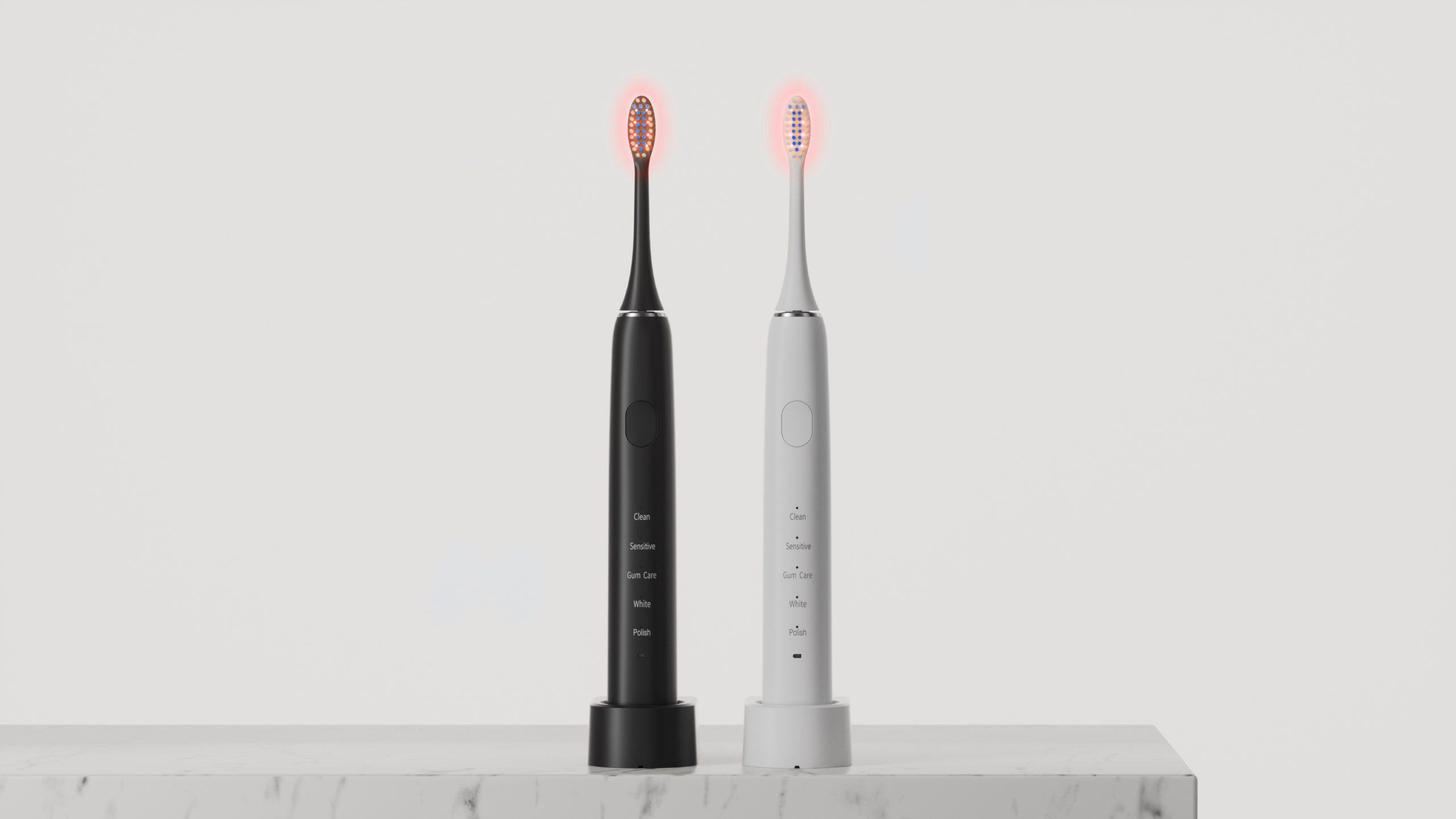
Electric toothbrush sample lead time is one of the most common concerns for B2B buyers during early project discussions. Whether you are developing a private-label product or a fully customized design, sample timing directly impacts testing, certification, and market launch plans.
Understanding what affects sampling schedules helps buyers set realistic expectations and avoid unnecessary delays.
Sample timelines vary depending on project complexity. For existing models with logo customization only, samples can often be prepared within 7–14 days. However, projects involving structural changes, new molds, or upgraded components usually require longer preparation.
In private mold or semi-custom projects, electric toothbrush sample lead time typically ranges from 25 to 45 days, including engineering validation and trial assembly.
The more changes required, the longer the sampling cycle. New housing designs, battery upgrades, or motor replacements all require additional verification steps.
Projects using existing molds move faster than those requiring new tooling. Mold fabrication alone can take several weeks before first trial samples are ready.
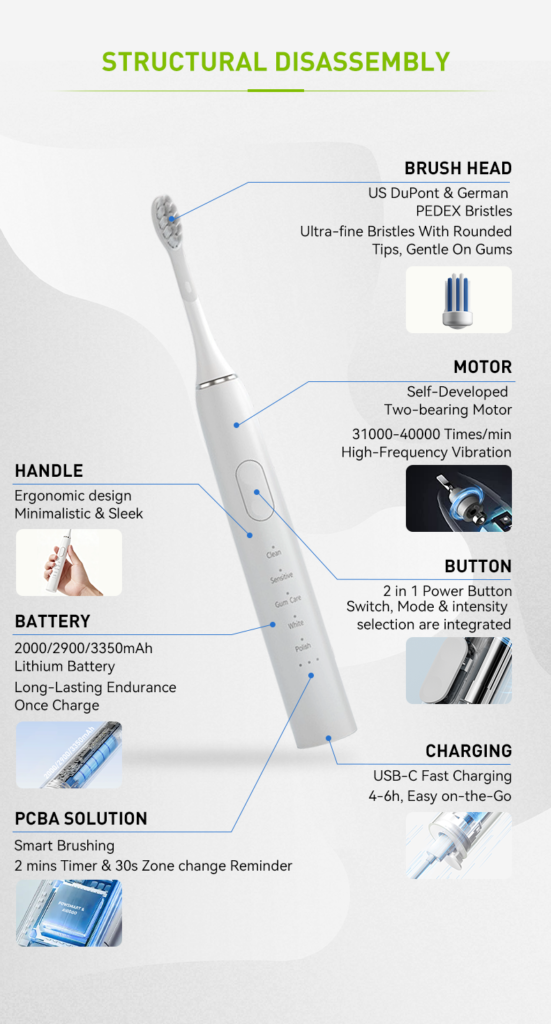
Motor availability, battery lead times, and PCB programming can also affect sampling schedules. Stable suppliers help minimize these uncertainties.
Experienced OEM factories streamline sampling by combining design review, material sourcing, and assembly planning into parallel workflows. Early DFM analysis reduces rework during trial stages, which shortens overall lead time.
At Powsmart, sample preparation is closely linked to mass-production planning. You can review related product platforms here:
👉 https://www.powsmart.com/sonic-electric-toothbrush/
It is important to note that sampling rarely ends with one version. Brands usually request adjustments after functional testing, user feedback, or regulatory review. Each revision may add 5–10 working days.
Therefore, electric toothbrush sample lead time should be evaluated as a process, not a single date. Clear communication during each iteration helps keep timelines under control.
Samples used for certification testing must meet final specifications. Rushed samples may fail compliance tests, resulting in longer delays overall. Buyers are encouraged to align sampling schedules with CE, FCC, or other regulatory requirements.
For authoritative guidance on electrical product testing, buyers can consult TÜV or similar certification bodies.
By clarifying customization scope early and selecting experienced manufacturers, brands can significantly reduce delays. Accurate planning around sonic toothbrush sample lead time allows smoother transitions from concept to mass production.
Electric toothbrush sample lead time ultimately determines how quickly brands can validate products and capture market opportunities.
How does an Orthodontic Jet Tip improve Luminescence Efficiency in whitening devices?
.jpg)
Chicago holiday deals on a Chicago subscription toothbrush — worth it?
Why choose a Chicago kids toothbrush for your Chicago family toothbrush setup?
.jpg)
Why Choose a Water Flosser for Sensitive Gums as a Core Gentle Oral Care Product?

Can Jet Stream Collimation Help Achieve a Higher CIE Whiteness Index in Cleaning Systems?
ADA-Certified Electric Toothbrush Suppliers in Chicago – Compliance & Customization
.jpg)
ADA Approved Electric Toothbrush Chicago

Can a Periodontal Pocket Irrigator Benefit from Photo-accelerated Oxidation for Deep Cleaning?
Does the Efficiency of a Motor Controller IC Directly Impact Battery Life Optimization?
.jpg)
Need Chicago repair service during Chicago holiday deals?
kids electric toothbrush OEM factory
sonic toothbrush with smart pressure sensor
.jpg)
Chicago dental toothbrush broken? Fast Chicago downtown repair options
Can Sonic Wave Technology Benefit from a Motor Efficiency Upgrade?

Why Is Turbine Impeller Design Key to Safe Oral Mucosa Barrier Protection in Flossers?
How Does a Gravity Feed System Enable a Truly Cordless Portable Design?


.jpg)
.jpg)
.jpg)
.jpg)
.jpg)






.jpg)
.jpg)