Electric toothbrush labeling requirements OEM is a fundamental aspect of product compliance for manufacturers targeting international markets. As global regulations become increasingly strict, labeling accuracy directly affects customs clearance, product acceptance, and brand credibility. Therefore, OEM suppliers must fully understand labeling standards to ensure smooth export operations.
First of all, labeling serves as the primary communication channel between the manufacturer and the end user. It provides essential information such as product specifications, usage instructions, and safety warnings. Without proper labeling, consumers may misuse the product, leading to safety risks.
Moreover, regulatory authorities in regions like the European Union and North America require strict labeling compliance. Consequently, non-compliant products may be rejected at customs or removed from shelves.
In addition, distributors and retailers often conduct compliance checks before listing products. Therefore, accurate labeling becomes a key factor in securing B2B partnerships.
Each product must clearly display:
This information ensures traceability and accountability in the supply chain.
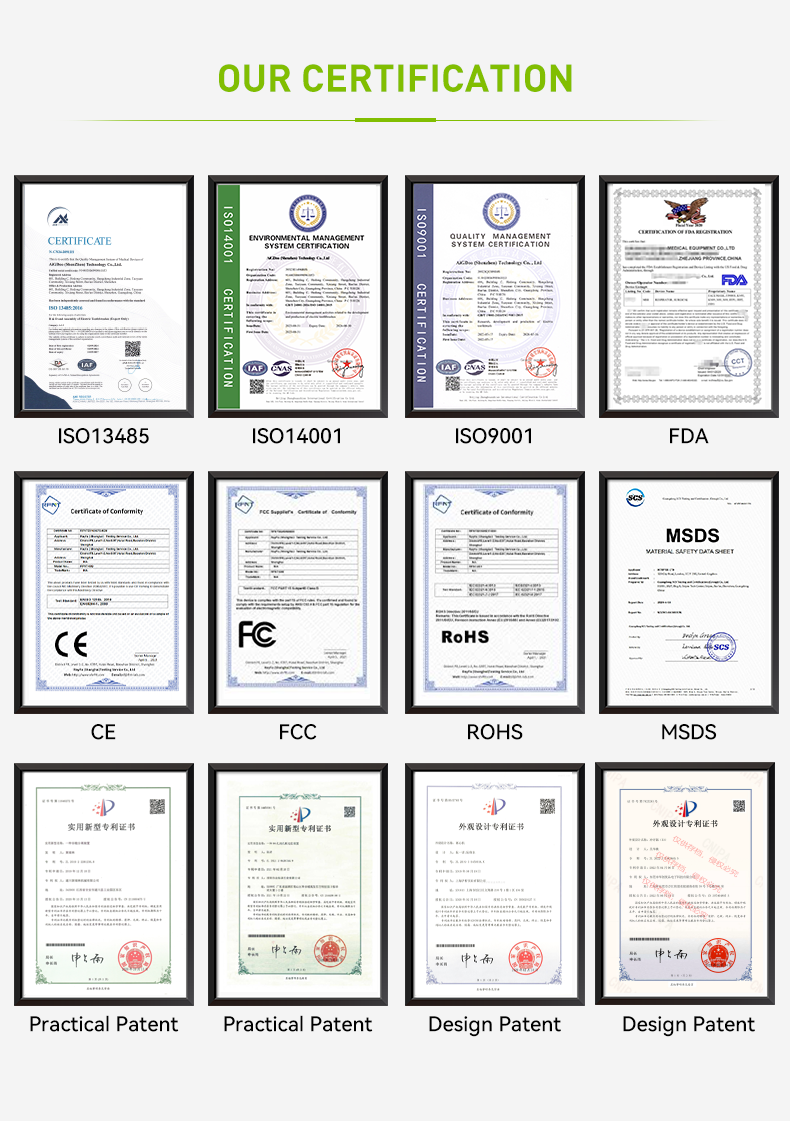
Depending on the target market, labeling must include relevant marks such as:
These marks indicate that the product meets regulatory standards.
Safety labeling is critical. For example:
Therefore, clear and visible warnings reduce liability risks.
The EU requires multilingual labeling and compliance with directives such as:
More details can be found at:
https://ec.europa.eu
In the U.S., labeling must comply with FDA and FCC requirements. For reference:
https://www.fda.gov
Countries in Southeast Asia and the Middle East also enforce labeling standards. Therefore, OEM suppliers must adapt labeling for each market.
From a B2B perspective, buyers often request customized branding. Therefore, manufacturers must offer flexible labeling solutions, including:
For example, at
https://www.powsmart.com/electric-toothbrush
OEM services include tailored labeling designs for global clients.
However, many manufacturers still make errors such as:
These mistakes can lead to shipment delays or penalties. Therefore, implementing a strict review process is essential.
Labeling should be part of the overall quality management system. For instance, factories often integrate labeling checks into final inspection procedures. As a result, compliance risks are minimized.
In recent years, digital labeling has gained popularity. QR codes now provide extended product information, reducing the need for excessive printed content. Therefore, adopting smart labeling solutions can enhance user experience.
In conclusion, electric toothbrush labeling requirements OEM plays a crucial role in ensuring regulatory compliance and enhancing global market access. Manufacturers who prioritize accurate labeling gain stronger trust and long-term business opportunities.
.jpg)
USB Charging Sonic Toothbrush Supplier
Chancre Water Flosser | Ultra-Low Pressure Gentle Irrigation For Painless Oral Syphilis Lesion Cleaning
Orthodontic Care Tech
Energy Drink Teeth Stains | Whitening for Red Bull Drinkers
Patient Education Toothbrush | Dental Demo Tools
Bad Breath Causes Effective Solutions: Eliminate Odor at the Source
How Can Mold Injection Service Streamline Production for Charging Dock OEM Components?
Can a Guided Biofilm Therapy Protocol Be Effectively Delivered via a Teledentistry Integration Kit?
Can Your Whitening Accelerator Serum OEM Service Produce Bulk Teeth Whitening Gels?
Mucositis Water Flosser Relief Guide | Safe Cleaning for Chemo Mouth Sores
Why Combine a Warranty Analytics Dashboard with Lifecycle Carbon Tracking?
IPX8 Electric Toothbrush Factory China
Electric Toothbrush Charging Type OEM
Should Professional Association Sponsorship Fund Co-developed Treatment Protocols?
Electric Toothbrush DuPont Bristle Benefits OEM Guide for Premium Oral Care Products
Electric Toothbrush Brush Head Durability Testing


.jpg)
.jpg)
.jpg)
.jpg)
.jpg)