As digital health trends accelerate, brands are increasingly exploring how artificial intelligence can elevate oral-care devices. An experienced Electric Toothbrush Designer is now at the center of this transformation—leveraging engineering expertise, data modeling, and sensor integration to push Smart Toothbrush Innovation to new heights. AI-enabled devices not only improve brushing efficiency but also open the door to personalized and intelligent oral-care ecosystems.
A modern Electric Toothbrush Designer focuses on incorporating advanced sensors such as pressure monitors, motion trackers, and location-detection modules. These sensors collect real-time data, forming the foundation of Smart Toothbrush Innovation. AI then interprets this data to detect missed zones, excessive pressure, and ineffective brushing angles.
AI-driven personalization is a key differentiator in next-generation devices. Designers collaborate with software and data teams to build algorithms that analyze user habits and create individualized brushing plans. This ensures AI-powered features remain precise, adaptive, and meaningful—enhancing long-term user engagement.
To support Smart Toothbrush Innovation, the Electric Toothbrush Designer integrates Bluetooth, cloud platforms, or app-based dashboards. These enable users to track brushing trends, receive coaching, and access long-term oral-health insights. For B2B buyers, this connectivity increases product value and supports subscription-based service models.
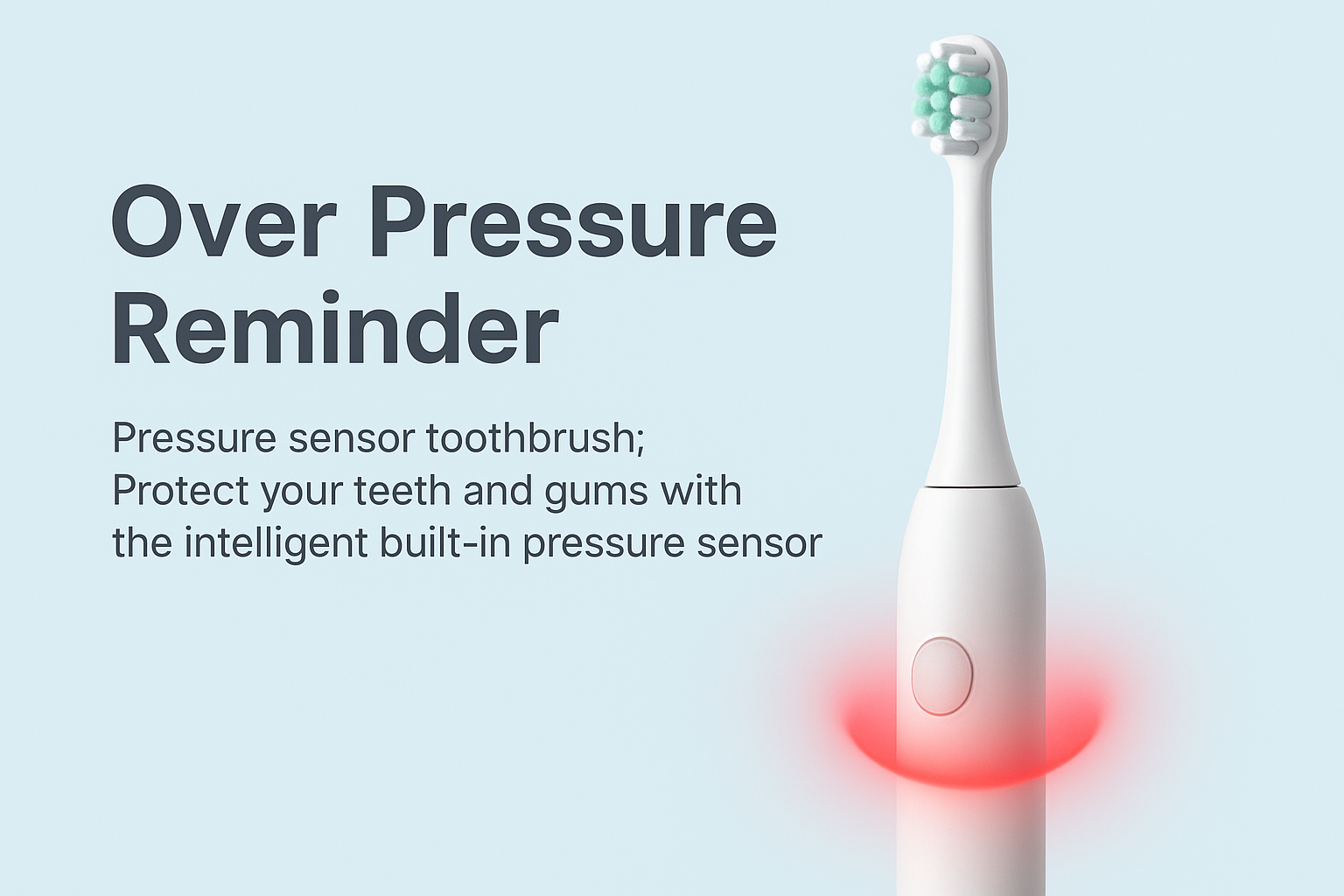
AI systems can identify early signs of abrasive brushing. Designers use this capability to create smart pressure-adjustment features, such as auto-speed reduction or instant vibration alerts. This transforms traditional brushes into intelligent protective tools that improve gum health and reduce dental sensitivity.
Through machine learning, the toothbrush can learn the user’s brushing style and automatically adjust intensity, frequency, or mode. A skilled Electric Toothbrush Designer ensures the hardware aligns with these AI-driven adjustments, making the brushing experience more personalized and effective.
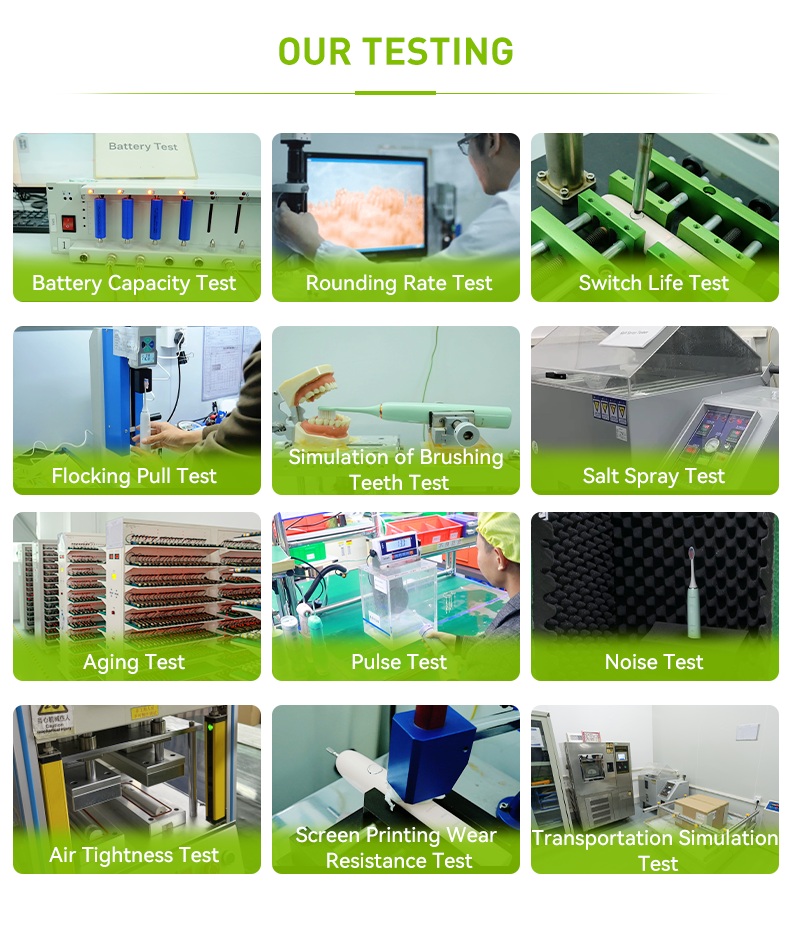
AI features must be supported by robust engineering. Designers conduct strict reliability tests, waterproofing validation, battery optimization, and compliance checks (FDA, CE, ISO). This ensures every AI-enabled device meets global regulatory standards—building trust among distributors, retailers, and end consumers. Contact us

Is a UV Free Whitening System Inherently More Enamel Safe?
.jpg)
Buy sonic electric toothbrushes in bulk Houston
What Are the Benefits of a Lithium Battery Pack in a Home Use Whitening System?
Does an FDA Approved Device Inherently Guarantee Sensitivity Reduction?
Can Angular Momentum Control and a Harmonic Drive System Revolutionize Electric Toothbrush Performance?
Is waterproof design important for your bathroom essential toothbrush?
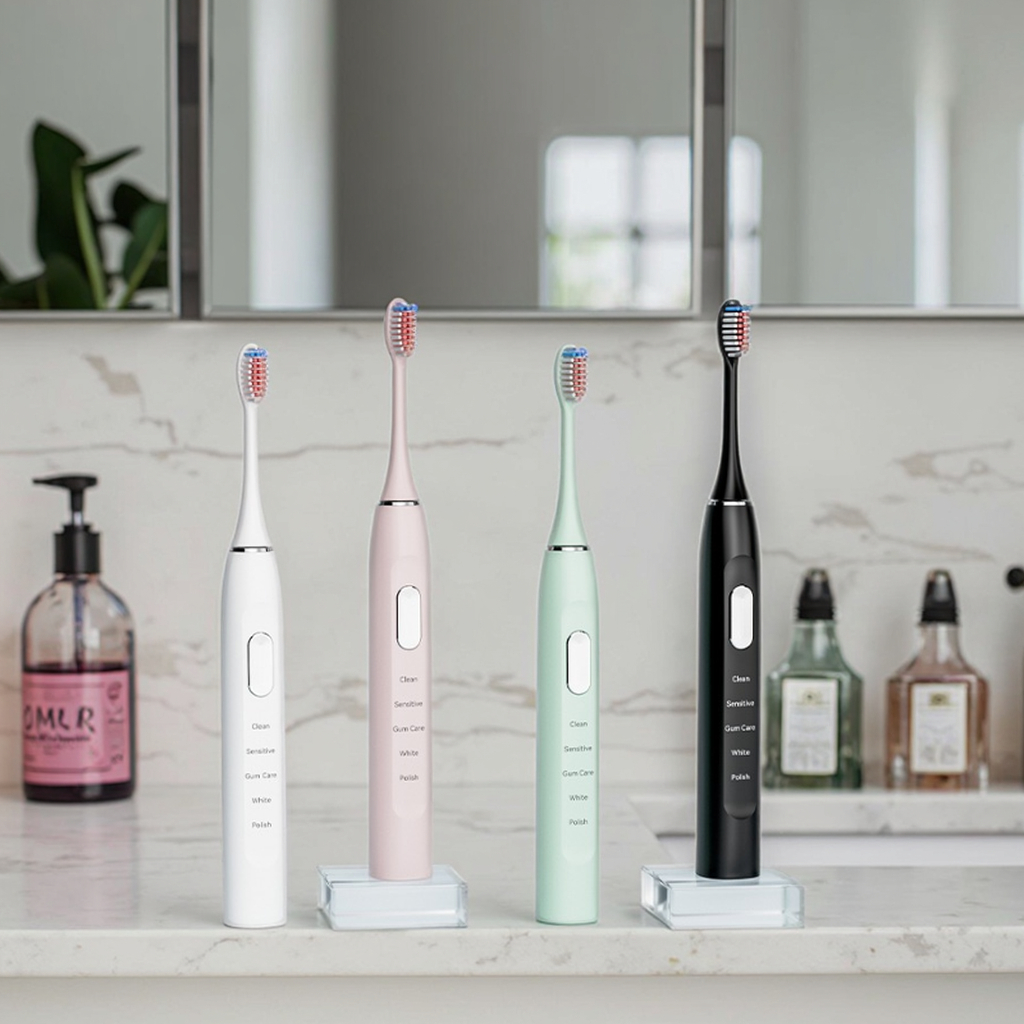
What Functions Are the Most Concerned by Electric Toothbrush Users?
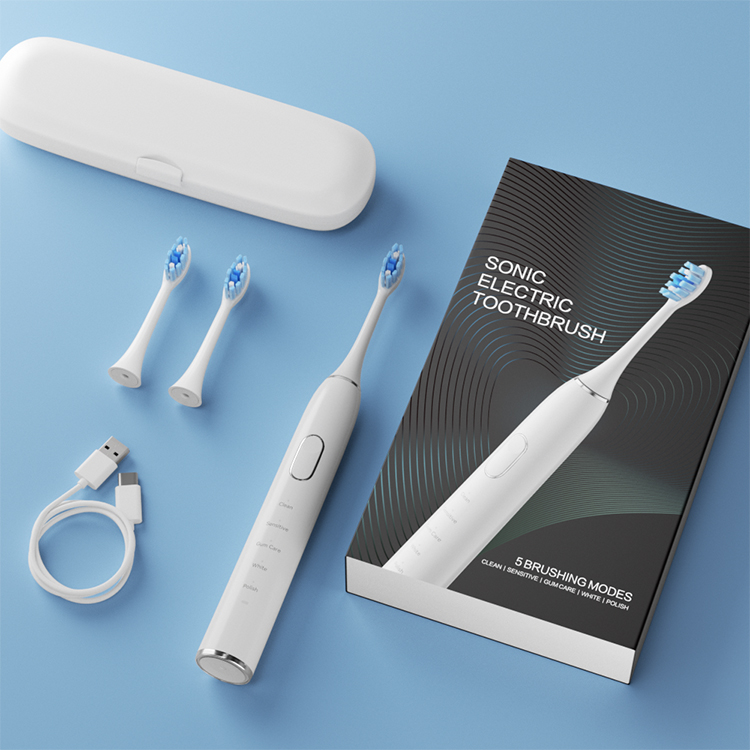
What Charger Do You Need for an Electric Toothbrush? OEM Factory Answers
.jpg)
Electric Toothbrush for Braces Patients OEM | Orthodontic-Friendly Sonic Brush Supplier
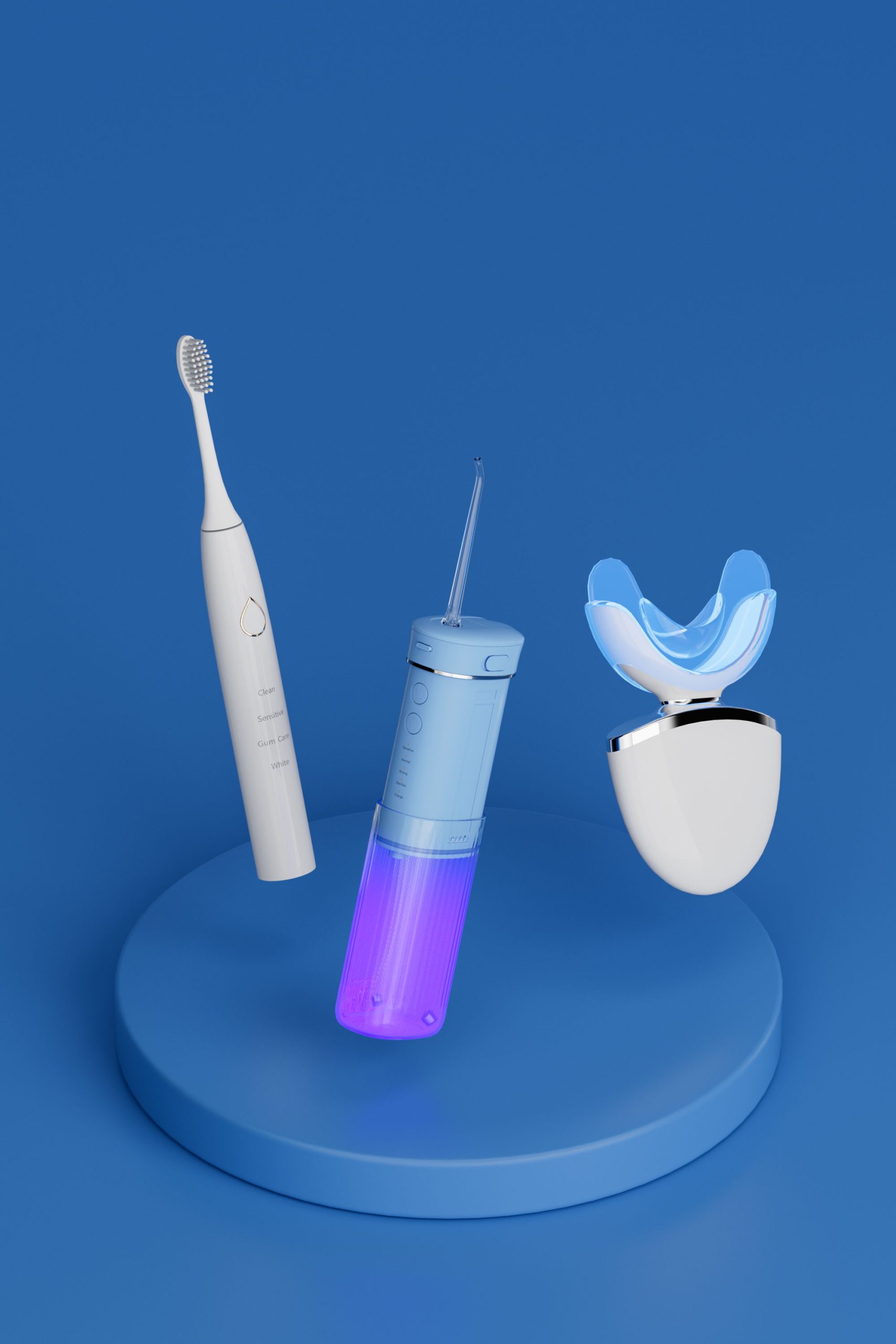
Do I Brush My Teeth Before or After Using a Whitening Pen?
Christmas Gift Electric Toothbrush for Oil Worker in Houston
Houston Electric Toothbrush Manufacturer
Premium Electric Toothbrush OEM Manufacturer for Global Markets
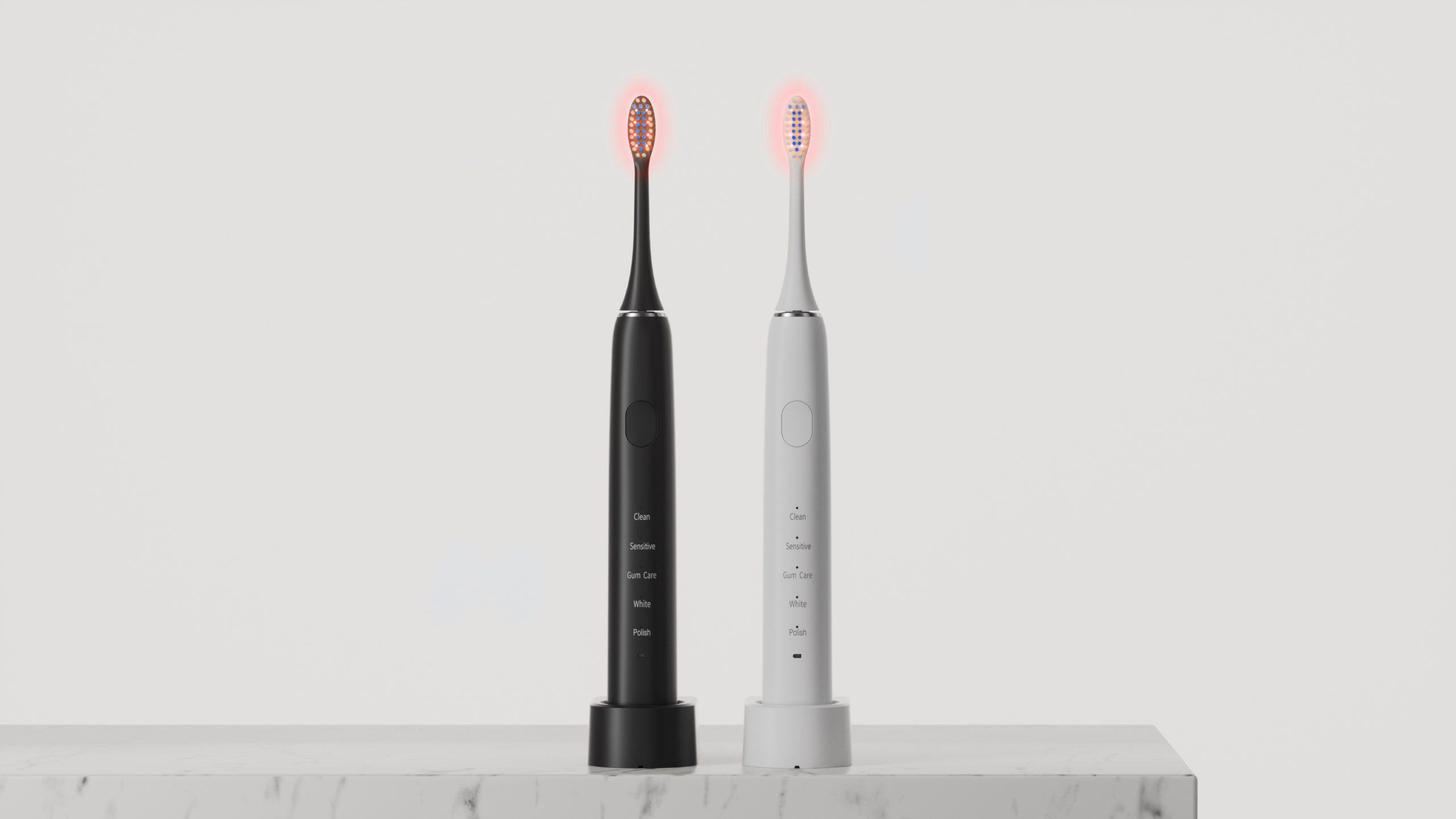
How Does Ethical Toothbrush Material Sourcing Contribute to a Sustainable Toothbrush Product?
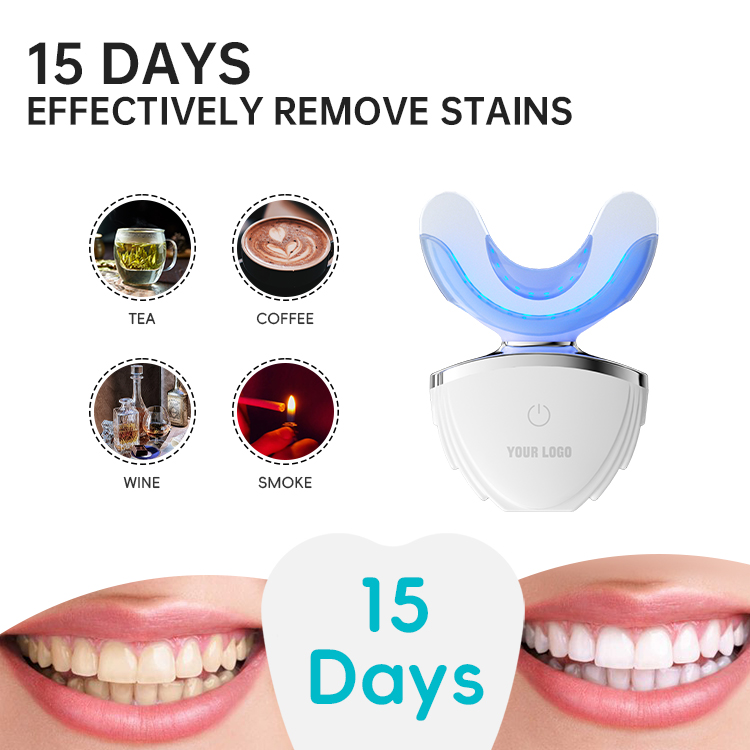
How Is Whitening Device Safety Engineered Into a Portable Whitening Kit?

Can an Orthodontic Jet Tip Be Enhanced by a Smart Multi-pressure Setting Chip?


.jpg)
.jpg)
.jpg)
.jpg)
.jpg)



.jpg)