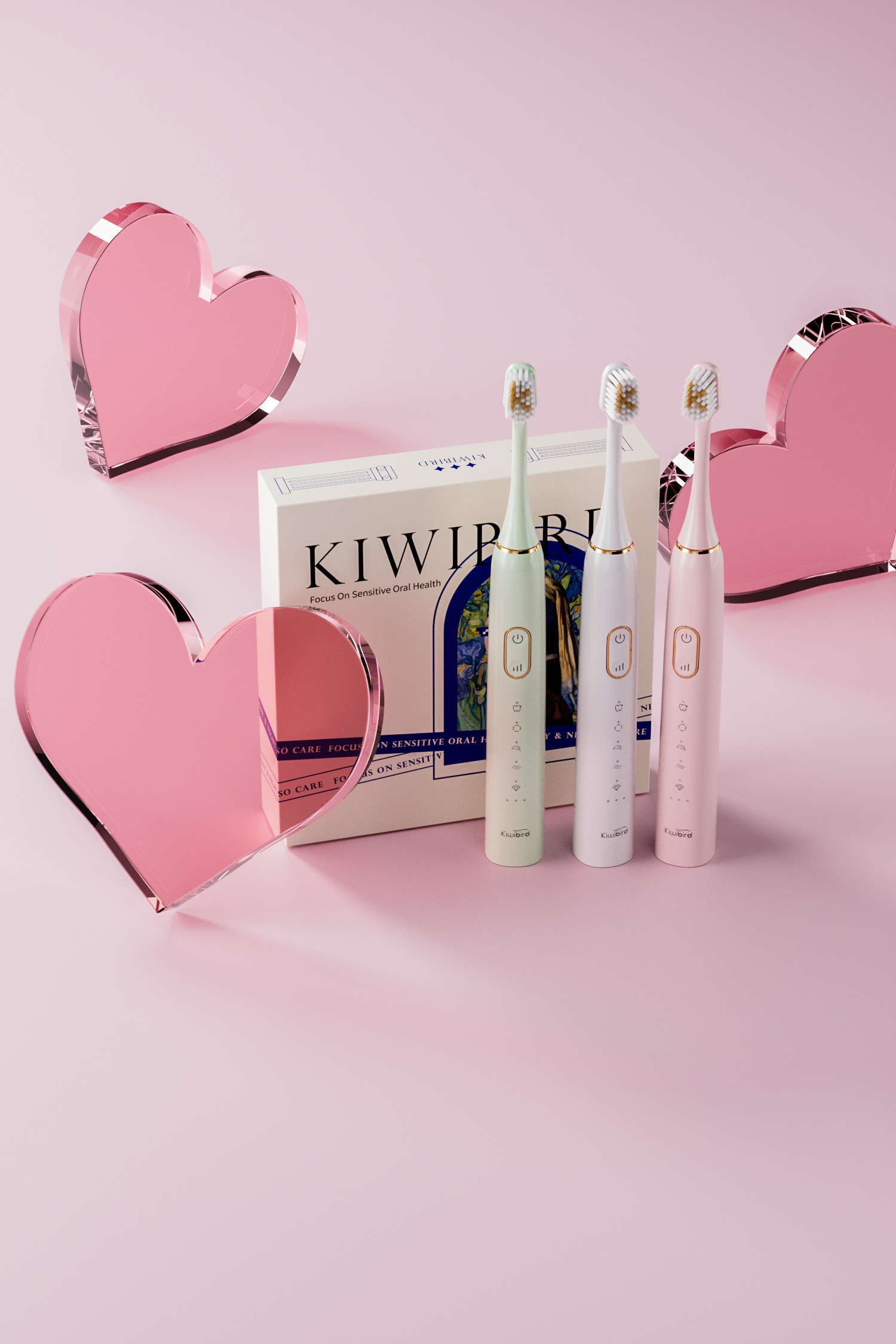
2025 is a turning point: innovation is coming less from single features and more from how devices connect into care pathways, patient data, and sustainability programs. For electric-toothbrush manufacturers, these dental trends aren’t abstract — they change product specs, go-to-market tactics, and after-sales services. Market data show continued growth for electric brushes as smart, rechargeable, and eco options gain share.
Below are six dominant trends for 2025, each paired with practical implications for product teams and B2B sales.
Trend: Dental practices increasingly use AI and teledentistry to triage, monitor, and coach patients remotely. That means home oral-care devices are no longer isolated consumer products but clinical endpoints in remote care workflows.
Why it matters to manufacturers: integrate data outputs (cleaning coverage, pressure alerts, compliance logs) in formats dentists can ingest; support secure APIs and HIPAA-aware telemonitoring features; offer clinician dashboards or partner with teledentistry platforms.
Quick action: ship an SDK or standardized CSV/API export so clinics can pull brushing metrics into patient records or telehealth platforms.
Trend: Smart brushes with sensors, zone-tracking, and smartphone telemonitoring are moving from novelty to clinical utility — used for adherence coaching and remote follow-up. Evidence shows toothbrush-based telemonitoring can improve compliance and provide meaningful behavioral data.
Why it matters to manufacturers: accuracy and trust matter (clear sensor calibration, firmware stability, privacy-first telemetry). Clinics will prefer devices that report reliable, easy-to-interpret metrics rather than raw, noisy data.
Quick action: add a clinician mode (summary reports, weekly adherence charts) and a small standardized dataset (e.g., % coverage, pressure events, minutes/day) to speed clinic adoption.
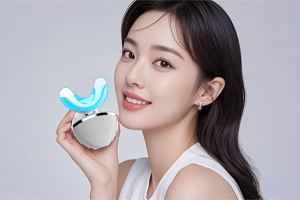
Trend: Personalized oral care — from microbiome-aware advice to mouthpiece-style devices that promise tailored coverage — is a headline 2025 innovation. Companies are experimenting with device + membership models that deliver individualized programs and product refills.
Why it matters to manufacturers: product lines that support personalization (multiple head profiles, app-based mode profiles, subscription refills matched to risk profiles) capture higher LTV and stickier relationships with clinics and consumers.
Quick action: design brush heads and firmware to accept profile presets; pilot a “clinic recommended” subscription bundle with recommended head cadence and patient education materials.
Trend: Eco design is no longer optional. Demand for recyclable/compostable heads, minimal single-use plastic, and replaceable-only head systems has accelerated; market reports project robust growth in compostable and low-waste toothbrush segments.
Why it matters to manufacturers: sustainability reduces friction with institutional procurement (clinics with green policies) and can be a differentiator in D2C and B2B. But sustainable claims must be backed by measurable lifecycle improvements and clear recycling programs.
Trend: Dentists and clinics increasingly demand clinical evidence: that a device not only “feels” advanced but demonstrably reduces plaque/gingivitis or increases adherence compared to baseline. Manufacturers who can show peer-reviewed data or real-world clinic pilots win faster practice adoption.
Why it matters to manufacturers: clinical proof accelerates B2B purchasing, inclusion in dental office retail bundles, and endorsements from dental professionals.
Trend: 2025 innovations emphasize product + service: subscription replacement heads, telecoaching addons, and B2B bundles for clinics (demo units + patient refills). These service layers improve retention and provide predictable recurring revenue.
Manufacturers benefit from bundled subscriptions locking in patients and clinics; clinics value easy reorders and co-branded education materials.
The 2025 innovations wave blends software, sustainability, and clinical integration. Toothbrush makers who view brushes as medical devices, not gadgets, gain clinic trust & adoption.
Want a one-page spec template that maps these six trends to product requirements, or a clinic pilot email + measurement plan? I can draft both tailored to your product line. Contact us
.jpg)
.jpg)
Cracked a crown? Tacoma repair services for dental crowns — fast?
.jpg)
Why Is Smart Toothbrush APP Development Crucial for Rechargeable Toothbrush Battery Optimization?
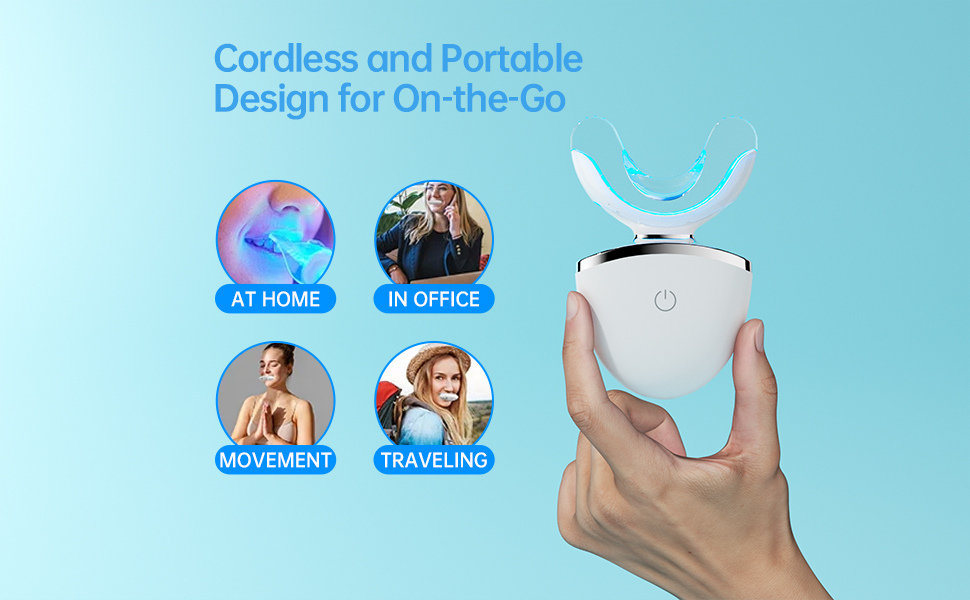
How Often Should I Use a LED Teeth Whitening Light? A Manufacturer’s Guide
How Can a Magnetic Levitation Motor Supplier Enhance Collaboration with an OEM Sonic Toothbrush Manufacturer?
.jpg)
Rechargeable Electric Toothbrush OEM
Electric Toothbrush Reseller Program Wholesale
IPX7 waterproof electric toothbrush bulk
.jpg)
Can a Kids Electric Toothbrush OEM Serve the Dental Clinic Electric Toothbrush Market with Adaptive Designs?
Bulk Rechargeable Electric Toothbrushes for Hotels
.jpg)
Are Electric Toothbrushes Allowed in Carry-On Luggage? A Guide for Travel Brands
Silent Electric Toothbrush for Hotels
Should You Leave Your Electric Toothbrush on the Charger All the Time?
How Long to Charge a Water Flosser Before First Use? OEM Manufacturer’s Guide
How Does Electric Toothbrush PCB Assembly Integrate with a UV Toothbrush Sanitizer Manufacturer for Smart Hygiene?
Sonic Toothbrush Excellence: How OEM Advantages Create Your Competitive Edge
Ergonomic Electric Toothbrush for OEM Buyers | Comfortable Grip & High-Performance Sonic Cleaning


.jpg)
.jpg)
.jpg)
.jpg)
.jpg)





.jpg)