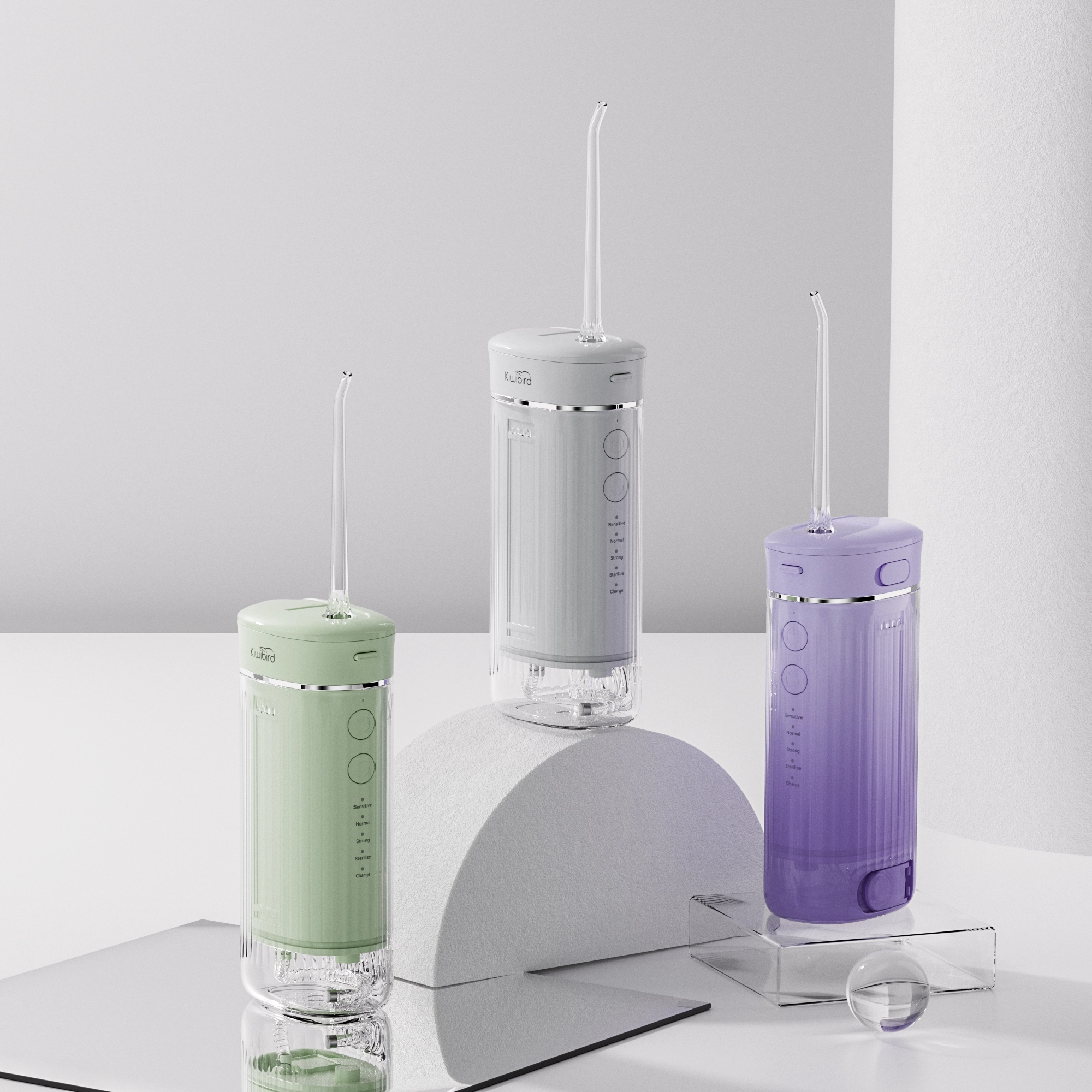
With rising consumer awareness around hygiene and oral health, the integration of UVC sterilization into water flossers is becoming an essential trend. For water flosser factories, it is not only a technical challenge but also a product differentiation opportunity. This blog provides a detailed customization guide for UVC water flosser sterilization, focusing on wavelength selection, optimal irradiation time, and waterproof design – all critical factors for effective and safe implementation.
UVC sterilization has proven to be highly effective in inactivating bacteria, viruses, and other pathogens. For water flosser disinfection technology, UVC offers a non-chemical, residue-free solution. When applied correctly, it helps prevent microbial buildup inside the water reservoir, nozzle, and tubing – key areas prone to contamination.
Modern consumers are looking for hygienic and self-sterilizing personal care devices. By offering customized UVC water flosser sterilization, manufacturers can meet this demand and stand out in a competitive market.
The choice of UVC wavelength directly affects sterilization efficiency. Scientific research has confirmed that 270nm ultraviolet modules deliver the highest germicidal effectiveness, especially against E. coli, staphylococcus, and other common oral pathogens.
When developing a sterilization system, the integration of a 270nm ultraviolet module ensures optimal microbial deactivation with minimal energy consumption. This wavelength is also less damaging to internal materials, extending the lifespan of components.
Effective disinfection is not just about wavelength – irradiation time and intensity are equally crucial. Overexposure can lead to material degradation, while underexposure reduces effectiveness.
To ensure balance:
A typical irradiation cycle ranges between 15–60 seconds, depending on water flosser volume and flow path design.
Smart sensors can be used to activate UVC only when needed, enhancing efficiency.
Manufacturers should conduct microbial load testing during product development to fine-tune the ideal UVC exposure profile.
A well-calibrated water flosser disinfection technology setup increases user safety and device reliability.
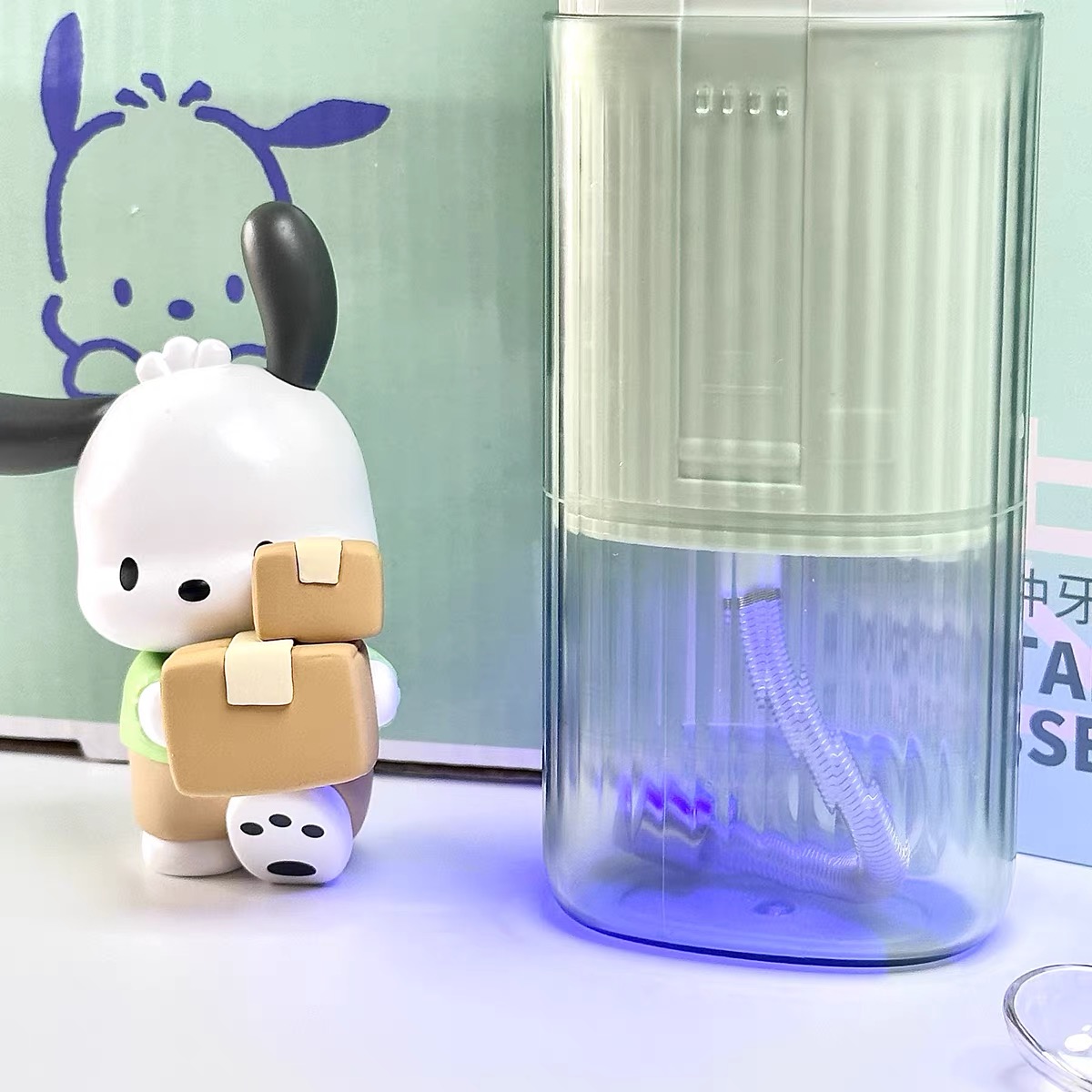
Integrating UVC into a water flosser demands a robust waterproof sterilization scheme. UVC components must be sealed against moisture while maintaining exposure to internal air or water channels.
Key design features include:
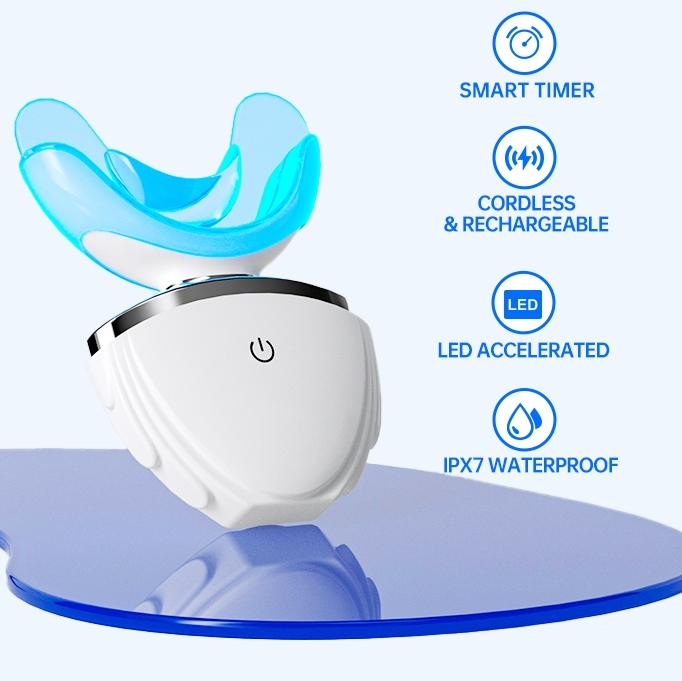
IPX7 or higher waterproof housing.
UV-transparent, waterproof windows for irradiation chambers.
Isolation of electronic UVC modules from high-humidity zones.
Material selection that resists UV degradation and maintains structural integrity.
By ensuring a scientifically backed waterproof sterilization scheme, manufacturers can reduce failure rates and uphold product warranties.
.jpg)
.jpg)
The successful deployment of UVC in water flossers relies on scientific precision, design expertise, and production capabilities. A reliable water flosser factory should be able to provide tailored solutions, from 270nm module integration to testing and quality validation.
As UVC becomes a standard expectation in high-end oral care devices, B2B clients must collaborate with experienced partners to deliver high-performance, hygienic, and user-friendly products.
With the right customized UVC water flosser sterilization approach, your brand can lead the way in safe, smart, and effective oral hygiene technology.
Need customized UVC solutions for your next-generation water flosser product? Contact us today for a tailored proposal or OEM support!https://www.powsmart.com/oral-care-products-private-label/
How Does Your LED Whitening Lamp Activate Our Whitening Gel Formulation?
.jpg)
Powsmart Fairbanks electric toothbrush manufacturer
Smart Home Health Devices: Connected Toothbrush OEM Solutions
.jpg)
Does Teeth Whitener Cold Light Radiation Accelerate Enamel Demineralization? Lab Results Revealed!
Teeth Whitening Kit Private Label Solutions for B2B Brands
Should You Partner with a Teeth Whitening Gel Manufacturing Expert?
.jpg)
How Does a GMP Certified Toothbrush Factory Leverage Toothbrush Packaging Customization for Brand Appeal?
Compact Whitening Device Wholesale for Global Distributors and Brands
OEM Smart Toothbrush Manufacturer | Custom B2B Solutions for Global Brands
USB charging toothbrush wholesale supplier | OEM & Private Label Factory
.jpg)
Proven Strategies to Unlock Premium Water Flosser Brands Positioning

Identifying Chinese Electric Toothbrush Manufacturers That Listen and Improve With Your Feedback
Did you know a magnetic-levitation sonic motor can deliver 31,000 powerful cleaning strokes per minute?
When Selecting Products for the US Market, What Kind of Aesthetic Electric Toothbrushes Are Most Popular?

Why Choose a Quiet Water Flosser Supplier Sourced from a Cordless Water Flosser Factory?
Demineralization Zones with Jaw Fatigue – Silent Threat?


.jpg)
.jpg)
.jpg)
.jpg)
.jpg)