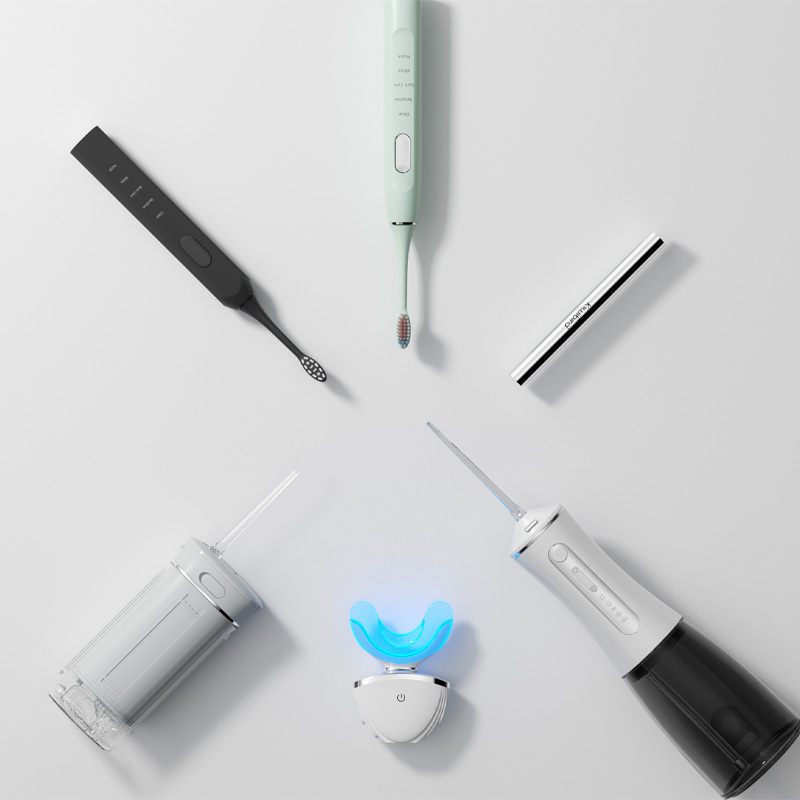
For OEMs, private-labelers and procurement teams, the question isn’t just whether a toothbrush looks big and bold — it’s whether a custom Texas brush can deliver the cleaning performance buyers expect from a big Texas brush. In the electric-toothbrush category, “big clean” means superior plaque removal, broad coverage, repeatable results and a user experience that drives compliance. Below are six manufacturer-focused pillars to design, spec and commercialize a product that lives up to that promise.
First, translate marketing language into measurable specs. A big Texas brush clean should include: higher plaque-removal efficacy (benchmarked vs manual brushing), full-mouth coverage per two-minute cycle, and a mode set that tackles stains, tartar-prone zones and gum-care without damaging enamel. Therefore, your R&D brief must define target metrics (e.g., % plaque reduction, head coverage area, VPM/oscillations, motor torque) so engineering and marketing sing from the same page.
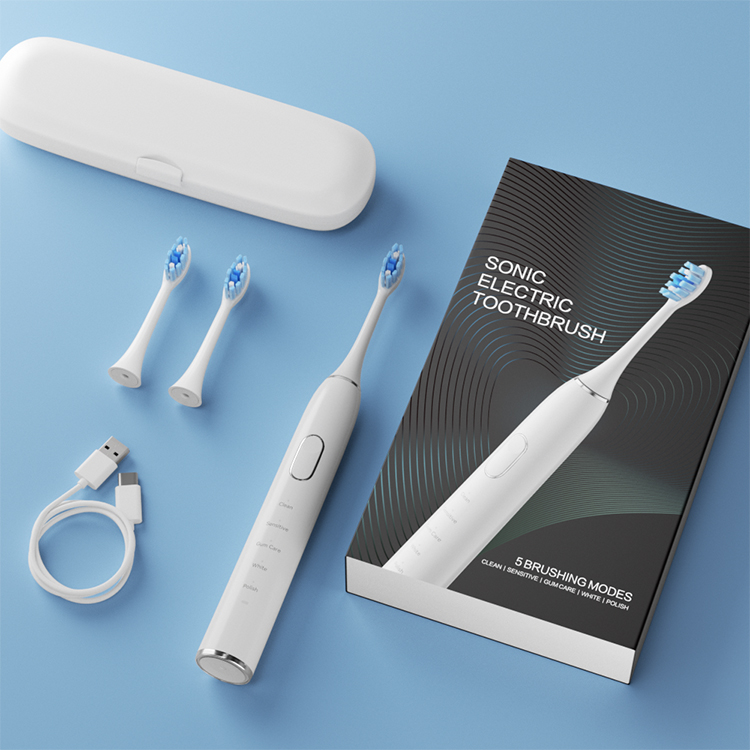
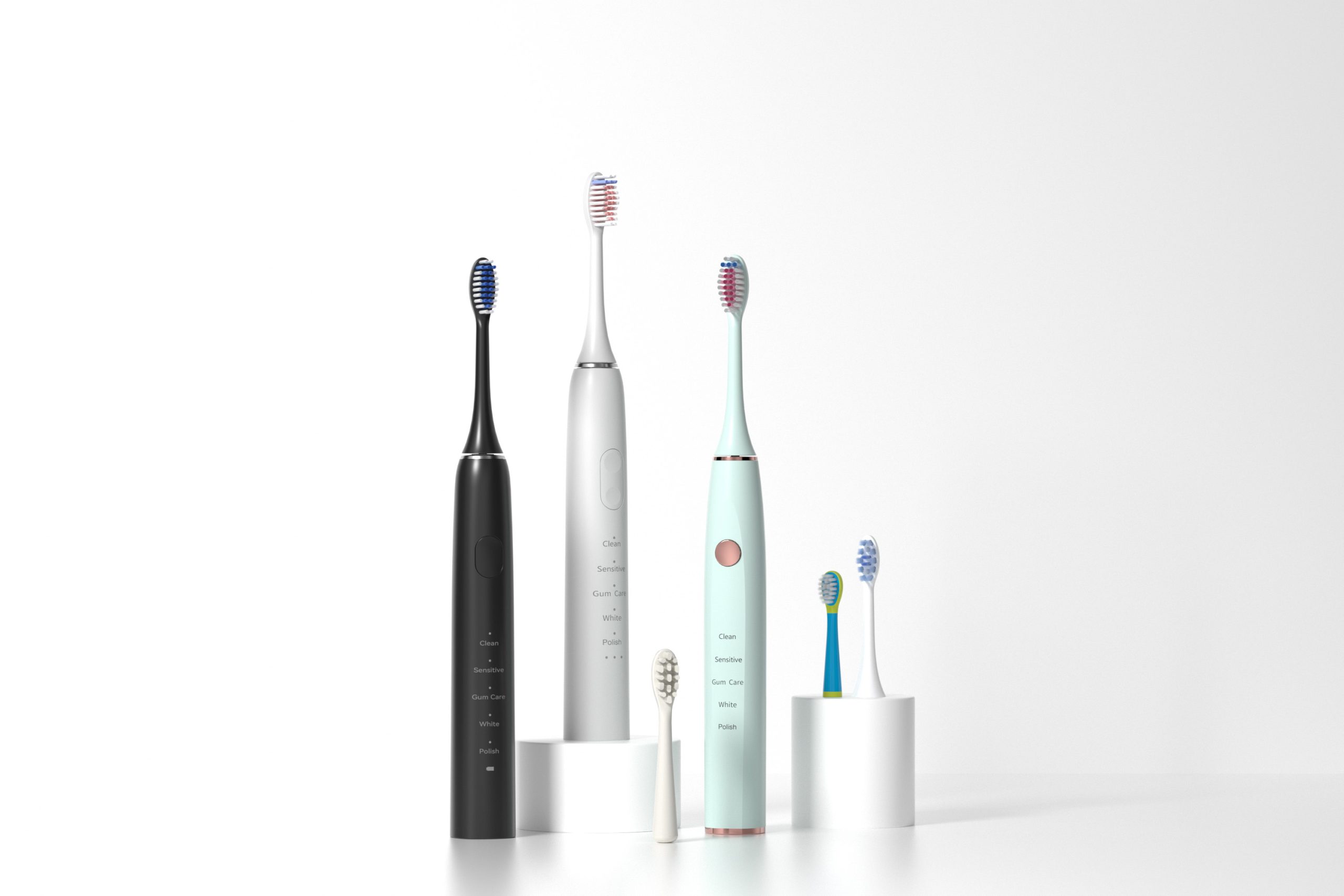
Next, focus on brush-head design. A custom Texas brush can use a slightly larger or contoured head, mixed-density bristles (soft tips + firmer inner tufts) and tapered filaments to reach interdental zones and molars more effectively. Moreover, offer interchangeable head families (whitening, sensitive, orthodontic) so B2B customers can position the product for different end-users while keeping the handle common — a practical way to promise a big Texas brush clean across segments.
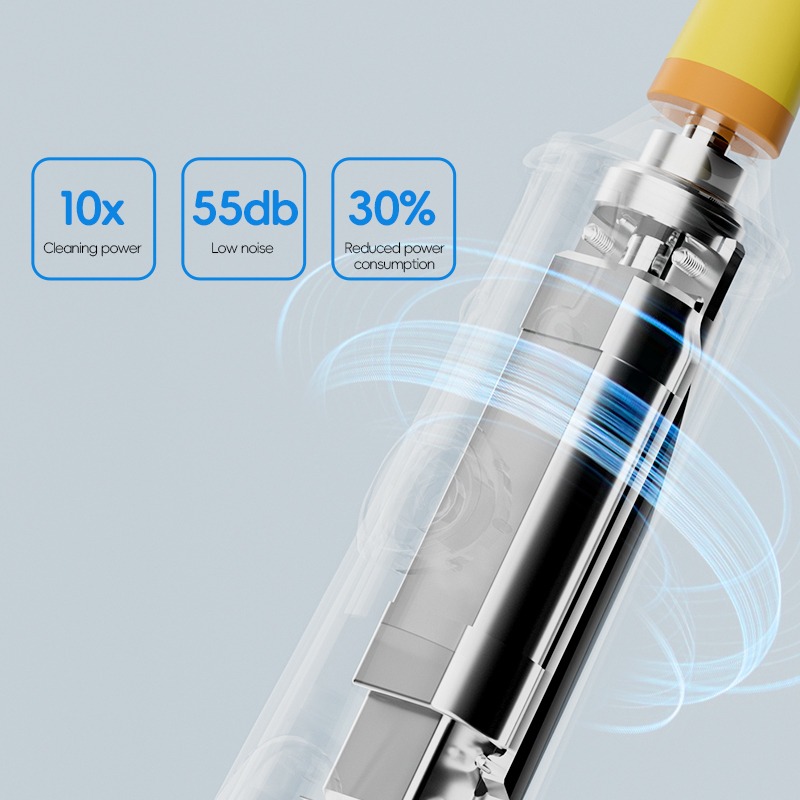
Furthermore, the motor and motion profile define cleaning power. Whether you select oscillating-rotating action for targeted mechanical disruption, or sonic vibration for fluid-dynamic cleaning, ensure the motor delivers consistent amplitude and speed under load. Crucially, specify a motor that maintains output even as the battery discharges: nothing undermines a big Texas brush claim faster than falling performance mid-use. In short, align motor selection, gearbox design and control firmware to hit your cleaning targets reliably.
In addition, a toothbrush that promises a big Texas brush clean must be durable. That means long battery life (supporting many two-minute sessions per charge), robust charging (USB-C or wireless), and ingress protection so the unit thrives in humid bathrooms or travel kits. From a manufacturing POV, choosing corrosion-resistant materials, reinforced head couplings and IPX-rated seals reduces returns and protects performance — especially important for co-branded or hospitality customers expecting heavy rotation.
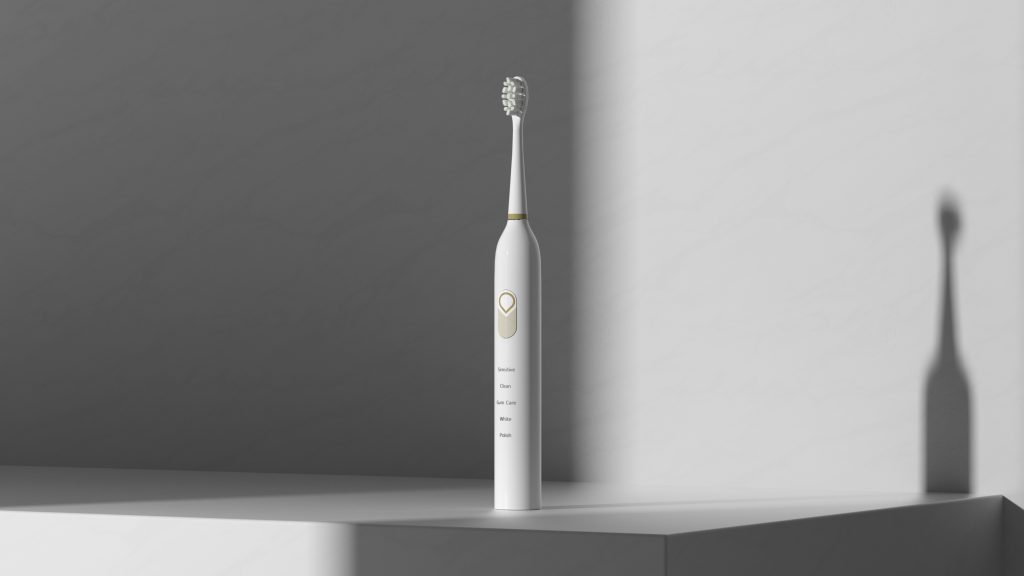
Moreover, cleaning power alone isn’t enough — users must brush correctly. Integrate features that guarantee consistent execution: a 2-minute timer with Quadpacer, brushing modes (Daily / Deep Clean / Gum Care / Sensitive), and user feedback (pressure sensor, LED cues, or optional app connectivity). Equally importantly, provide clear replacement cadence and a “replacement-reminder” system so worn heads don’t erode the big Texas brush promise. Consequently, good UX converts a powerful device into repeatable, measurable oral health outcomes.
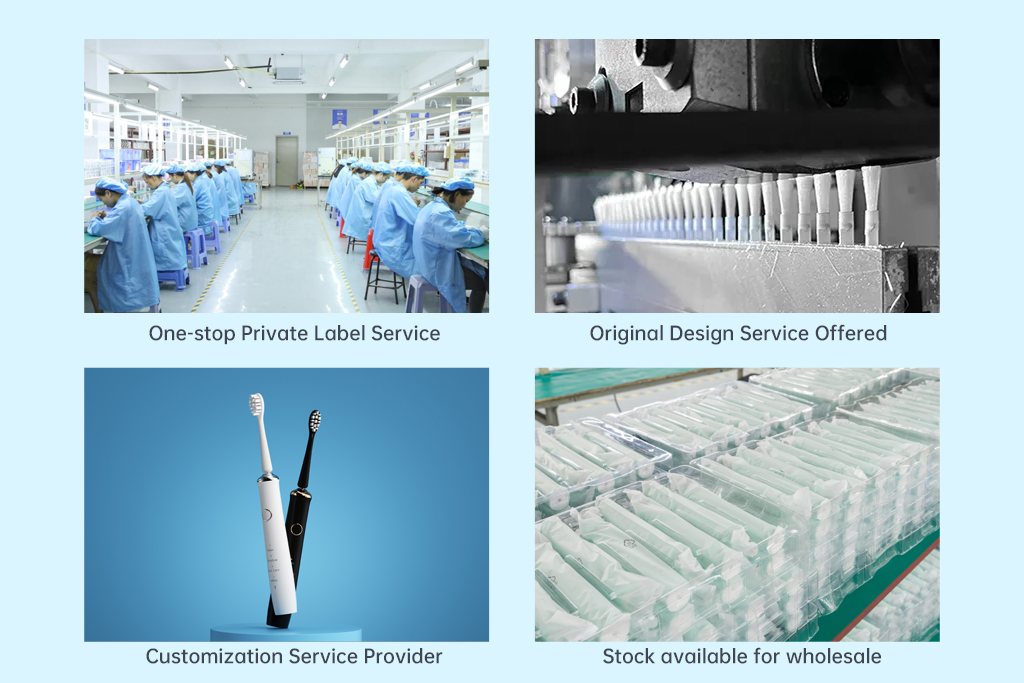
Finally, package the custom Texas brush for commercial buyers. Offer configurable SKUs (handle + head bundles), co-branding options, and regional supply plans for head replenishment. Provide pilots, clinical or lab validation data, and an ROI brief (reduced customer complaints, higher guest satisfaction in hospitality, or corporate wellness metrics). In this way, the “big clean” claim becomes verifiable and easier for procurement to justify.
Conclusion:
Yes — a thoughtfully engineered custom Texas brush can deliver a true big Texas brush clean, but only if manufacturers marry measurable performance specs with durable hardware, smart UX and a practical aftermarket plan. In other words, design for real cleaning outcomes, not just bold styling. If you’d like, I can draft a one-page technical spec (target VPM/oscillation, head coverage area, battery mAh, IP rating and suggested bristle layout) to kick off engineering and sales materials. Contact us
Why Combine Kinematic Pair Design with Non-slip Grip Texture for High-End Electric Toothbrushes?
.jpg)
Smart Brushing Timer Toothbrush Supplier for Global Brands
High After-Sales Costs: How They Cripple Oral Care Brand Profits & Reputation
Battery Corrosion + Charger Incompatibility — What’s Next?
How Much Does It Cost to Manufacture a Toothbrush?
Does Teeth Whitener Cold Light Radiation Accelerate Enamel Demineralization? Lab Results Revealed!
.jpg)
Are Water Flosser Packaging Solutions Key to Secure Water Flosser Export Packaging?
Is an Electric Toothbrush Subscription Profitable in Chicago?

Is Your Kids-safe Design Verified to Use Non-toxic Material?
Seeking a Texas themed gift that embodies true southern hospitality brush warmth?
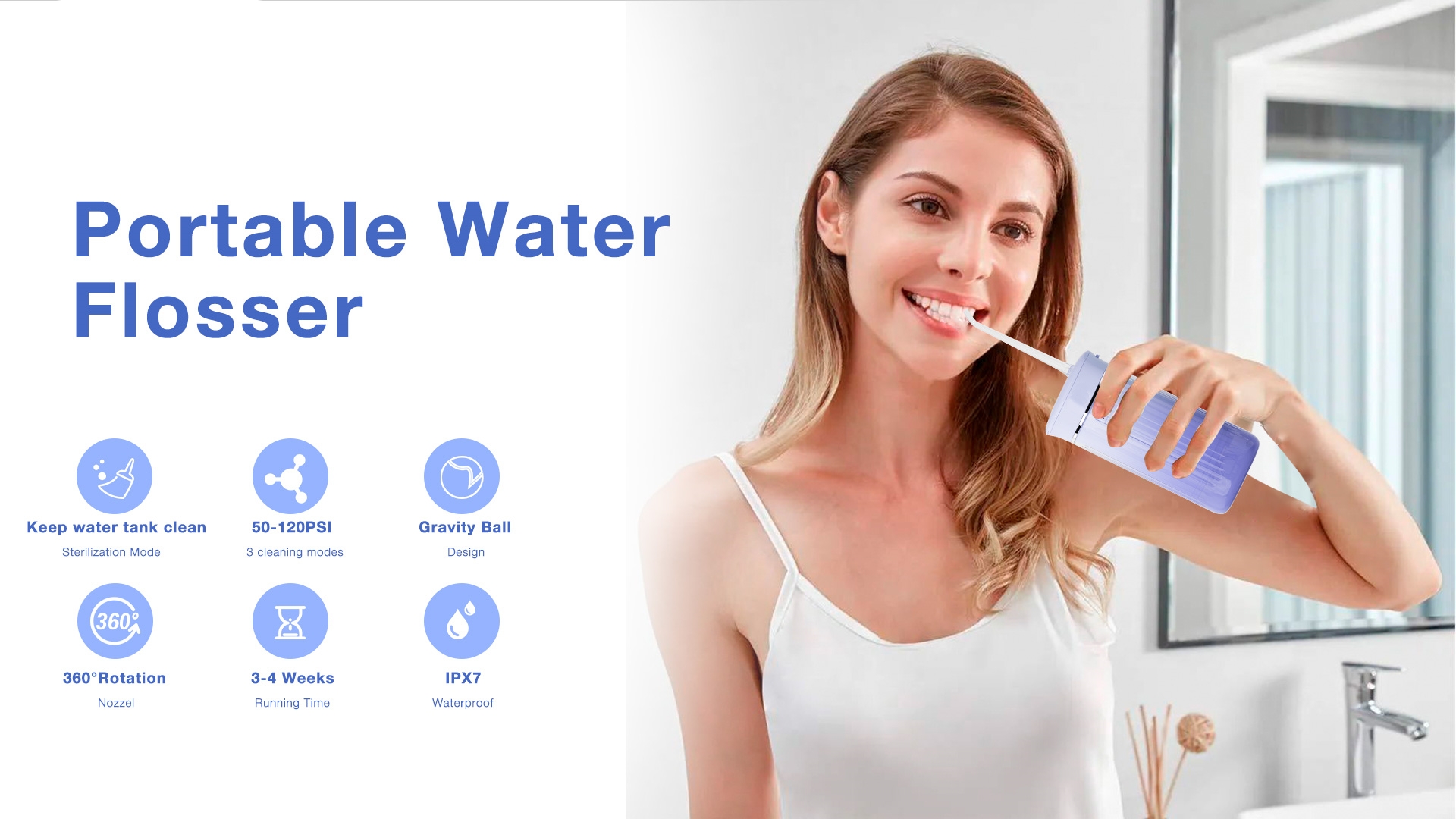
Is it Good for Teeth That the Power Level of a Water Flosser Is Too Strong?
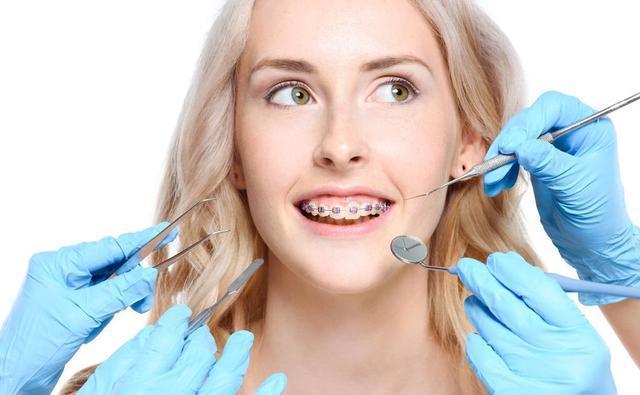
Best Dentist-Recommended Braces Cleaning Products for Braces Wearers
Red Blue Light Teeth Whitening Device Technology
.jpg)
How Can Travel Flosser Case Accessories Boost Your Dental Flosser Private Label Brand?
Sonic Toothbrush OEM China – Professional Manufacturing for Global Brands
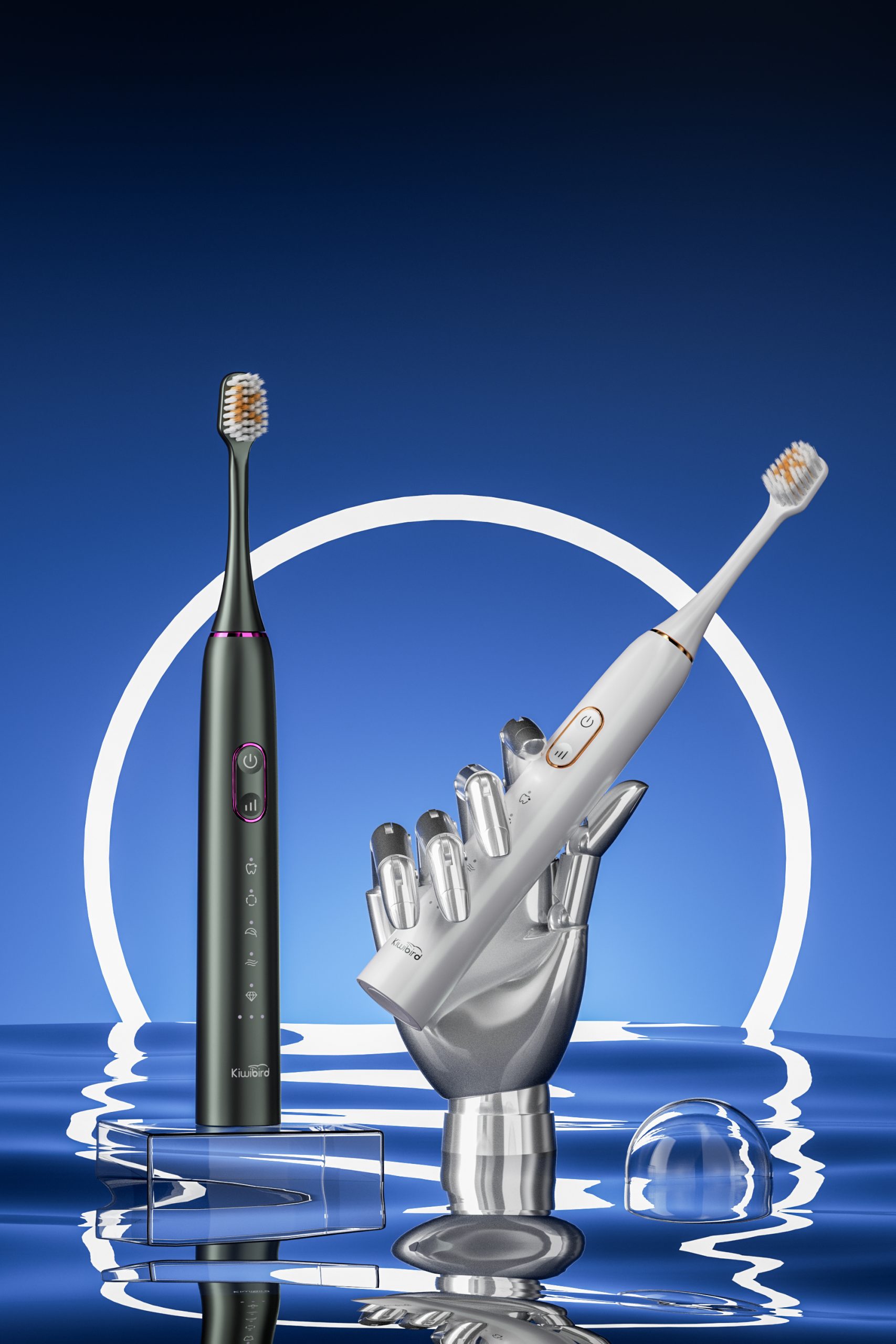
Ultra-Quiet Sonic Toothbrush Manufacturing: <60dB Technology


.jpg)
.jpg)
.jpg)
.jpg)
.jpg)