CapEx-to-OpEx Conversion shifts healthcare equipment costs from upfront investment to operational expense structures strategically. A Pay-per-Patient Model aligns clinic payments with actual treatment usage and patient volume. Combining both improves financial flexibility. This blog explains key advantages.
Large equipment investments limit operational flexibility significantly. CapEx-to-OpEx Conversion spreads technology costs across manageable operational payments efficiently. A Pay-per-Patient Model aligns expenses with clinic activity levels. This improves affordability.
Flexible payment structures accelerate healthcare modernization efforts. CapEx-to-OpEx Conversion removes major capital barriers for clinics effectively. A Pay-per-Patient Model encourages adoption of advanced healthcare technologies. This improves implementation speed.
Usage-based models improve financial predictability significantly. A Pay-per-Patient Model links operational expenses directly to patient treatment volumes. CapEx-to-OpEx Conversion supports scalable budgeting strategies. This improves cash flow management.
Growing healthcare organizations require flexible operational structures. CapEx-to-OpEx Conversions simplifies expansion without major capital expenditures immediately. A Pay-per-Patient Model supports scalable deployment across multiple clinics. This improves growth potential.
Service-based models encourage ongoing collaboration opportunities. CapEx-to-OpEx Conversions supports recurring operational relationships between providers and clinics consistently. A Pay-per-Patient Model aligns long-term business incentives strategically. This strengthens partnership stability.
Flexible financing supports optimized equipment usage effectively. CapEx-to-OpEx Conversion encourages clinics to maximize technology utilization rates consistently. A Pay-per-Patient Model supports data-driven operational planning. This improves efficiency.
Combining CapEx-to-OpEx Conversions with a Pay-per-Patient Model improves affordability, scalability, and operational flexibility for healthcare clinics. For B2B healthcare manufacturers and service providers, this approach supports sustainable growth and stronger customer adoption. Contact us
.jpg)
Powsmart Private Label Sonic Electric Toothbrushes: FDA-Certified OEM Solutions for Europe & US
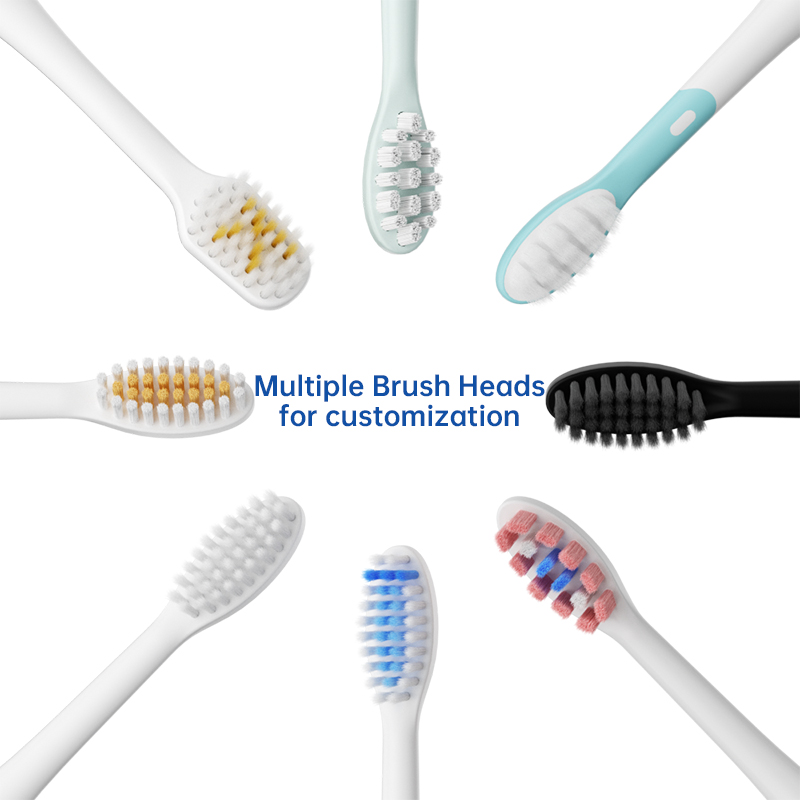
Top Water Flosser and Toothbrush Combo in San Diego?

Waterproof Technology Patent in LED Teeth Whitening Devices: How to Improve Product Life?
Electric Toothbrush Performance Comparison OEM: How to Evaluate and Optimize Product Output
.jpg)
Can Water Flossers Be Safely Shared in Households?
Sonic Toothbrush ODM Service for Global Oral Care Brands
Electric Toothbrush Vibration Noise Control Factory
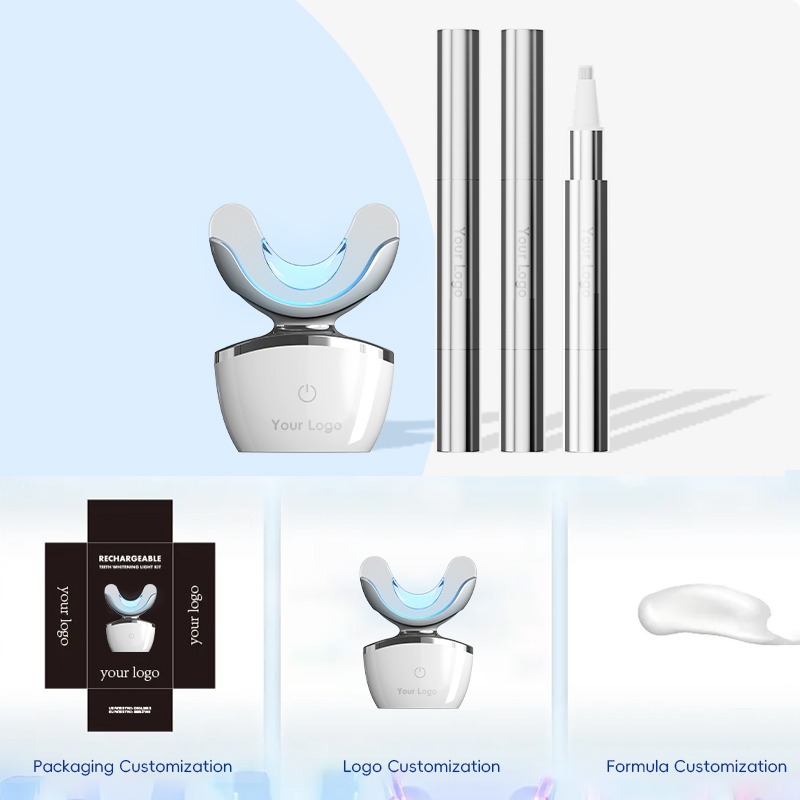
How Long Do Teeth Whitening Gel and Trays Last?
Can Improper Frequency Settings Affect Cleaning Efficiency and Gum Health?
electric toothbrush odor cleaning fix: eliminate bad smells
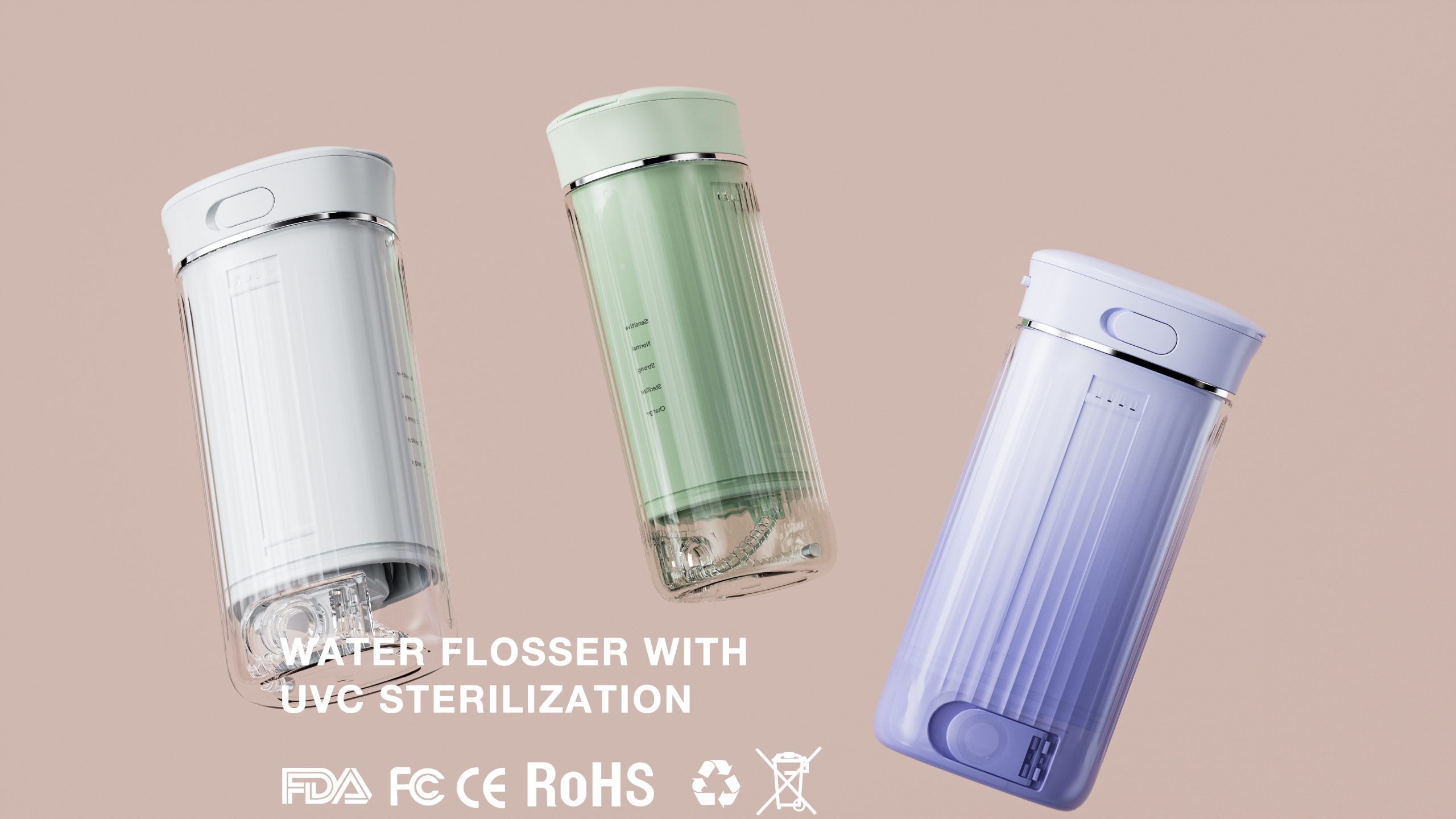
Can a Folding Toothbrush Design Make This Travel Electric Toothbrush Fit in a Wallet?
Fused Teeth Water Flosser Care | Ankylosed Teeth
Travel Nurse Oral Care Kit | Portable Electric Brush
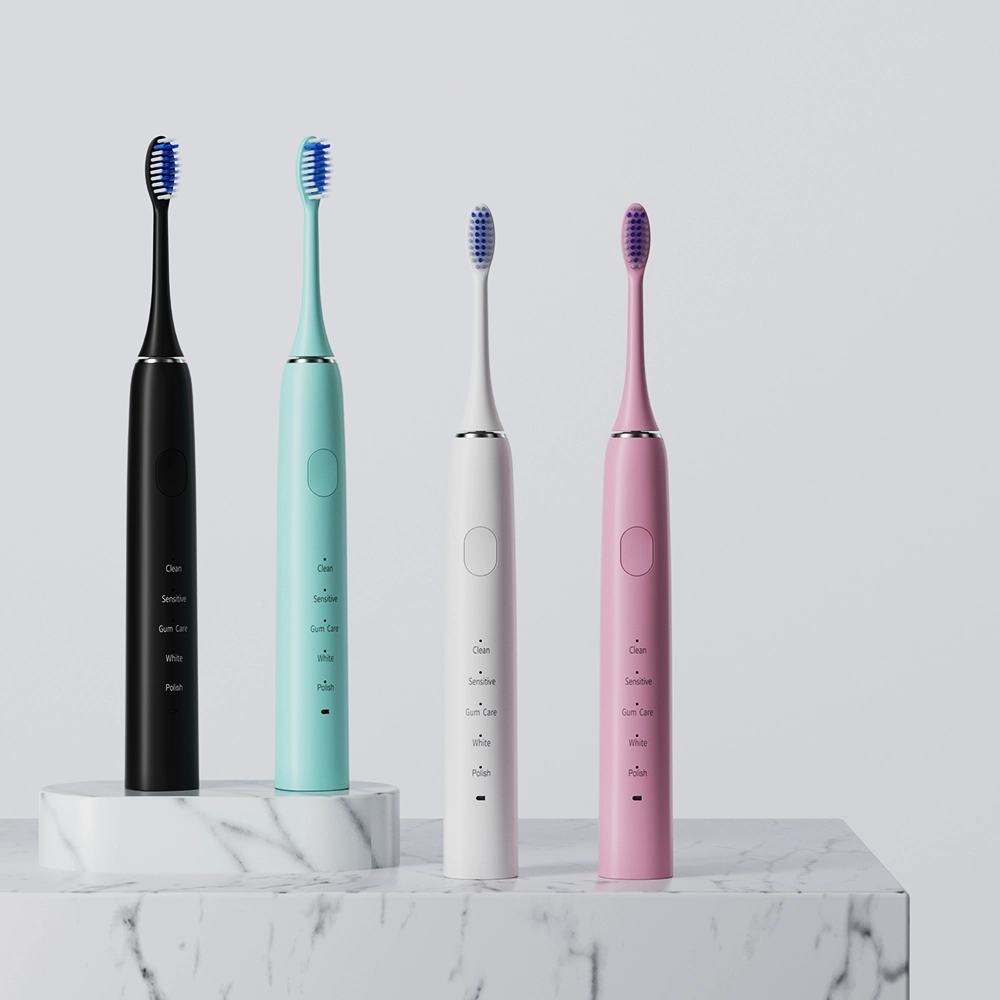
Electric toothbrush factory digital transformation path
electric toothbrush for dental hygiene kits
.jpg)
How Can Water Flosser Manufacturing Process Create a Truly Eco-Friendly Oral Product?


.jpg)
.jpg)
.jpg)
.jpg)
.jpg)





-2-scaled.png)