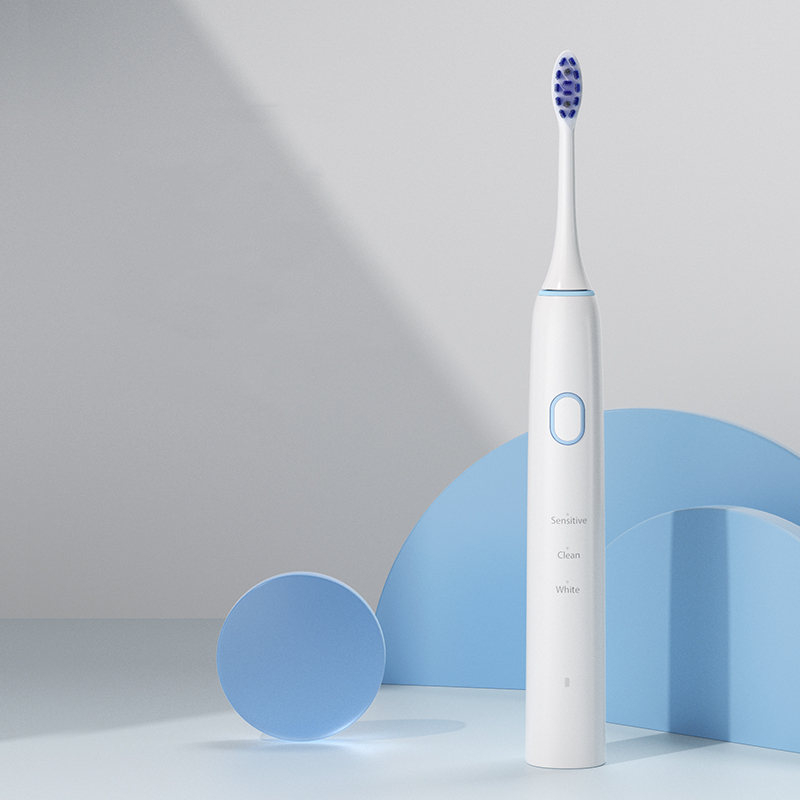
Vinegar has long been known for its natural disinfecting properties. Many consumers use it to clean kitchen surfaces, baby bottles, and even dental tools. It’s understandable that users might think they can soak an electric toothbrush handle in vinegar for deep cleaning. However, before you try this method, it’s essential to understand how vinegar interacts with electronic components and whether this practice is truly safe.
While vinegar cleaning sounds eco-friendly, soaking an electric toothbrush handle can cause internal damage. The handle contains electronic circuits, a motor, and a rechargeable battery—all of which are not designed for liquid immersion. Even a short soak can allow moisture to seep into the waterproof seals, leading to corrosion or malfunction.
As a professional electric toothbrush manufacturer, we strongly advise against submerging the handle in vinegar or any liquid solution.
Here’s the manufacturer advice for proper electric toothbrush maintenance:
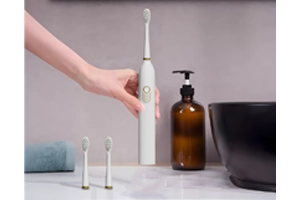
Use a damp cloth: Wipe the handle gently with a slightly damp cloth instead of soaking it.
Apply mild soap: If there’s buildup, use mild soap and water—avoid strong acids like vinegar.
Clean the brush head separately: The brush head can be soaked in vinegar or hydrogen peroxide for disinfection, but the handle should remain dry.
Dry thoroughly: Always wipe the handle dry after cleaning to prevent moisture damage.
Following these simple steps can extend your toothbrush’s lifespan without voiding the warranty.
Vinegar is acidic (with a pH around 2–3), and while it’s effective at dissolving mineral buildup, that same acidity can corrode metal parts and degrade the rubber seals used in electric toothbrushes. Once the seal integrity is compromised, water can reach sensitive components like the charging port or internal motor.
For long-term product maintenance, vinegar should be limited to external parts like detachable brush heads—not the handle.
For optimal hygiene and product maintenance, manufacturers recommend:
Weekly: Wipe down the handle with a microfiber cloth.
Monthly: Deep-clean the brush head with antibacterial mouthwash or vinegar solution.
Quarterly: Check for cracks or loose parts and replace worn brush heads.
These preventive steps help users maintain performance and hygiene without risking electronic failure.
In summary, while vinegar is an excellent natural cleaner, it’s not suitable for soaking an electric toothbrush handle. The correct approach is gentle surface cleaning and periodic maintenance. Following these manufacturer advice guidelines will protect your investment, maintain device safety, and ensure the toothbrush delivers consistent brushing performance.
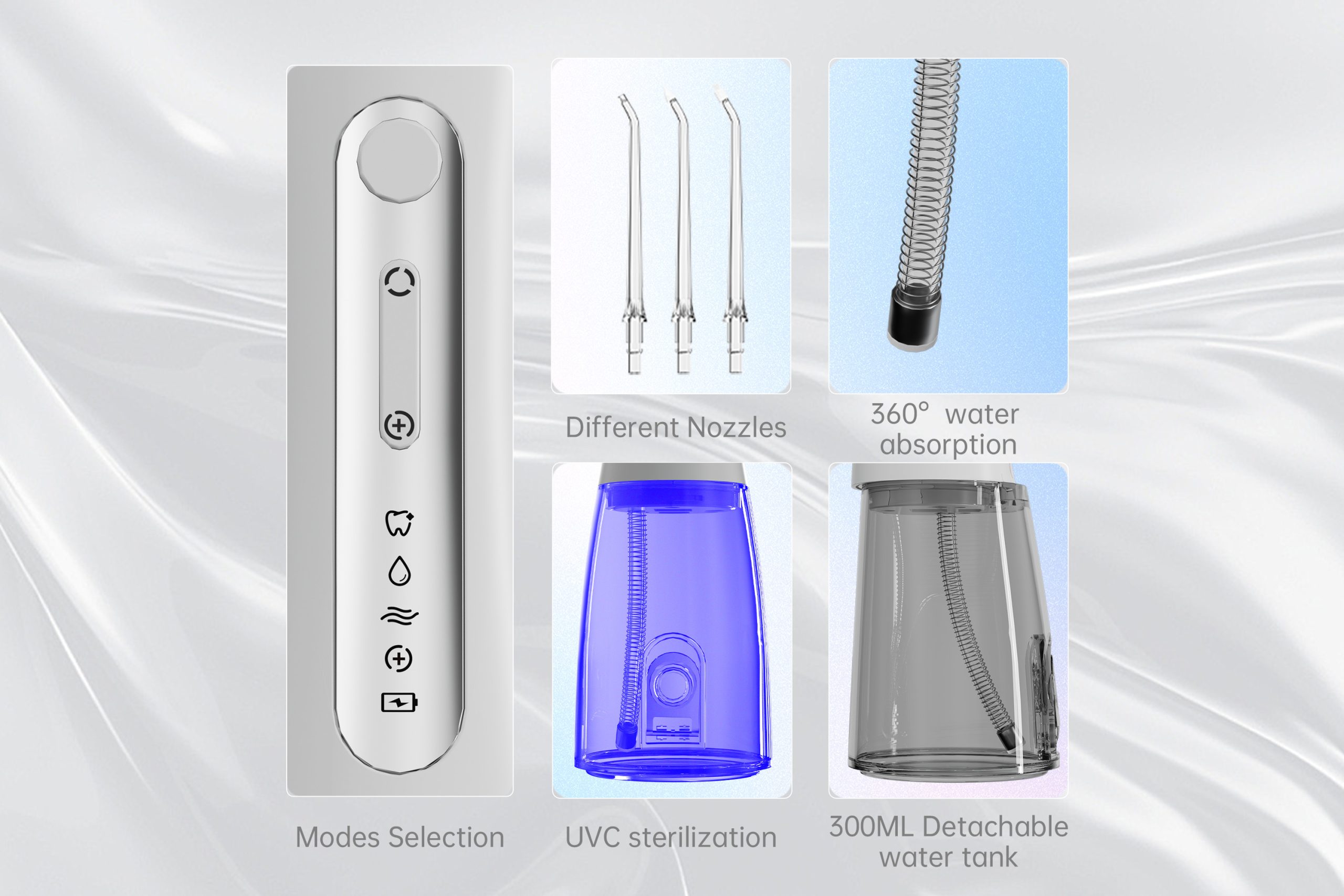
What Are the Core Components of a Water Flosser? Specialized Manufacturers Explain Key Components and Material Selection
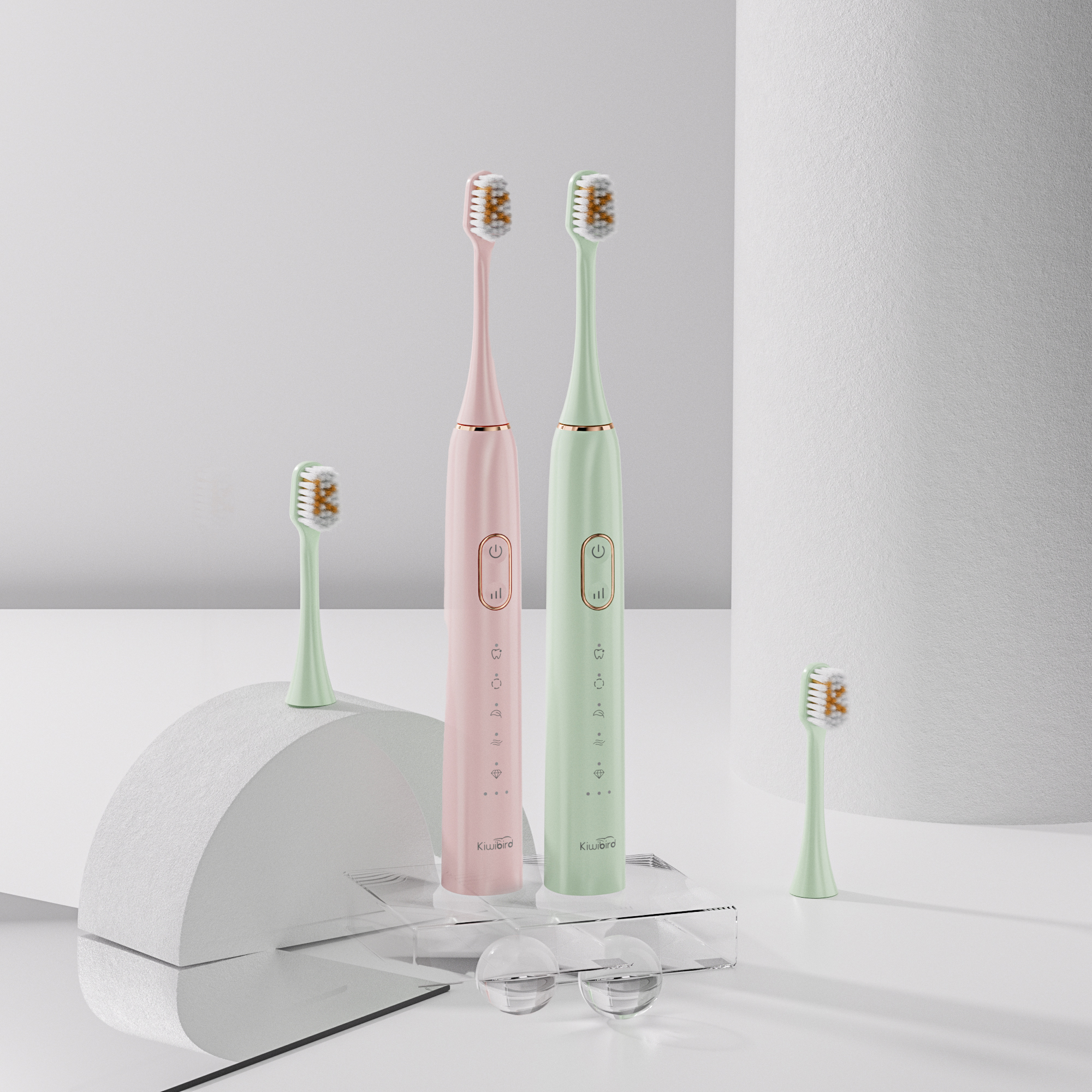
Does Deep Clean Toothbrush Mode Cause Timer Malfunction?
.jpg)
How can a Water Flosser provide a more thorough and Dental Plaque Remover?
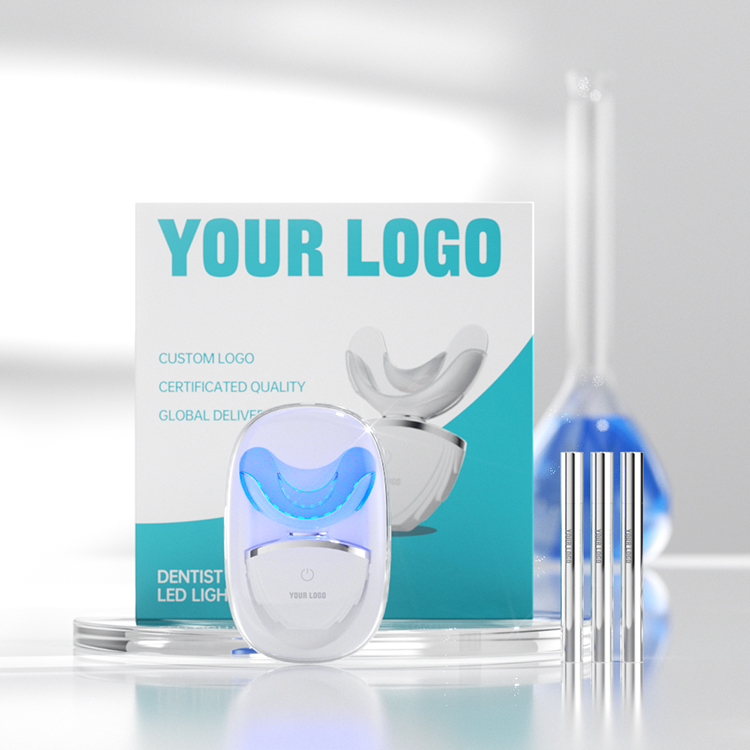
LED Teeth Whitening: Science or Gimmick? An OEM Perspective for Smart Brands
.jpg)
Best Toothbrush Heads Compared
Small Batch Electric Toothbrush OEM for Flexible B2B Brands
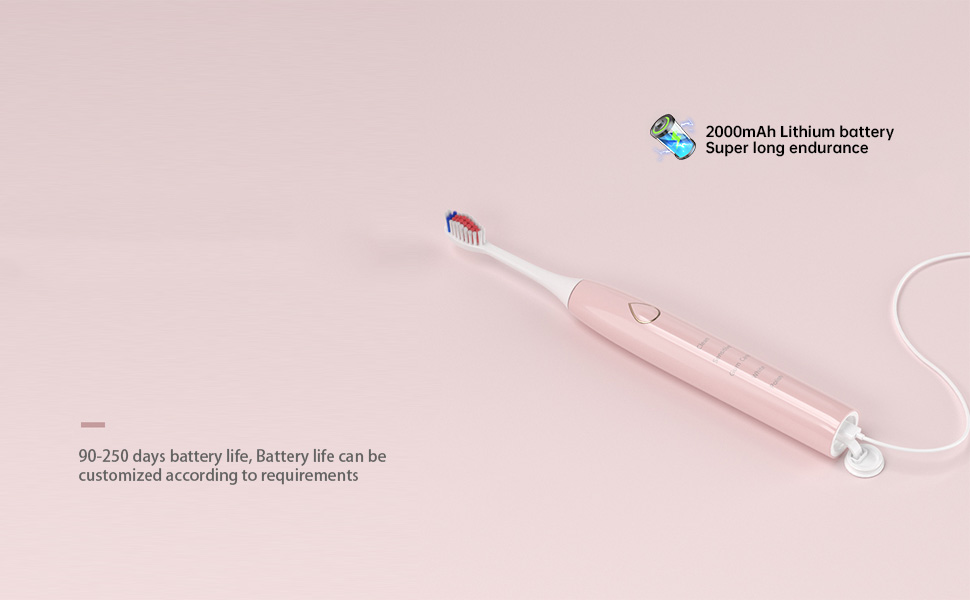
Life Cycle of an Electric Toothbrush
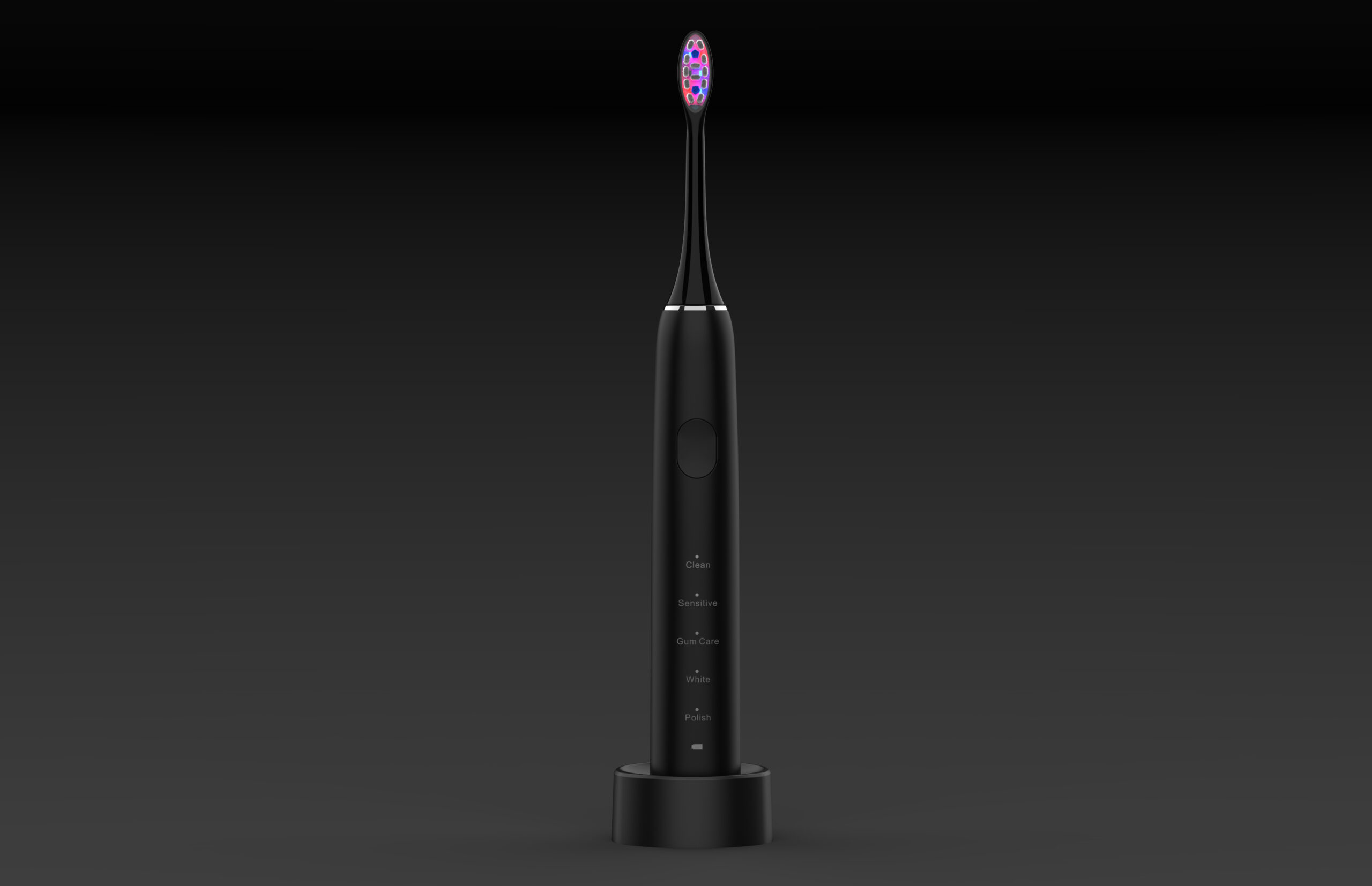
Can Pulse Frequency Control Be Achieved Without Compromising a Quiet Operation Motor?
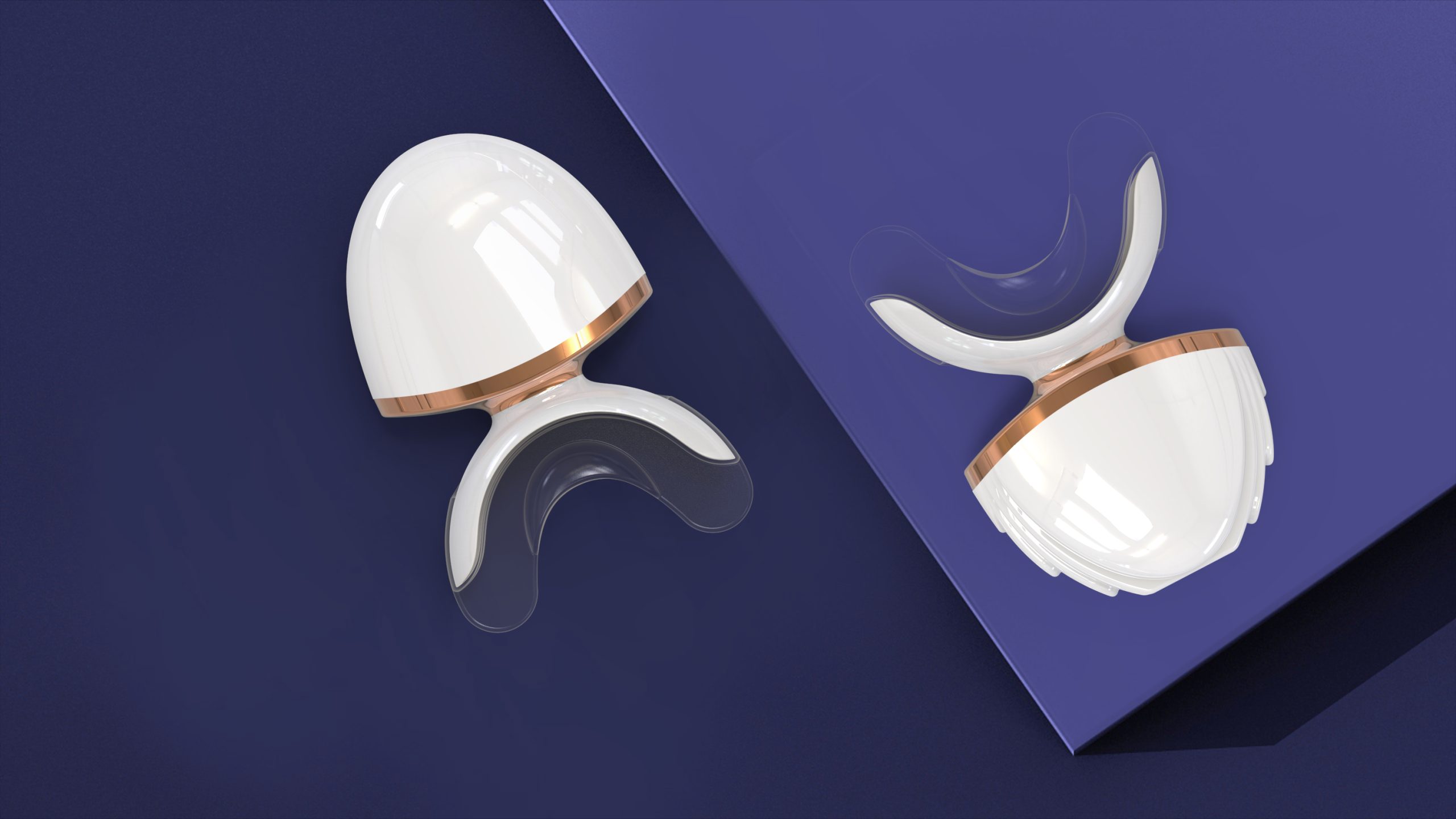
LED Teeth Whitening Device Precision Mold Shell: How to Balance Beauty and Durability?
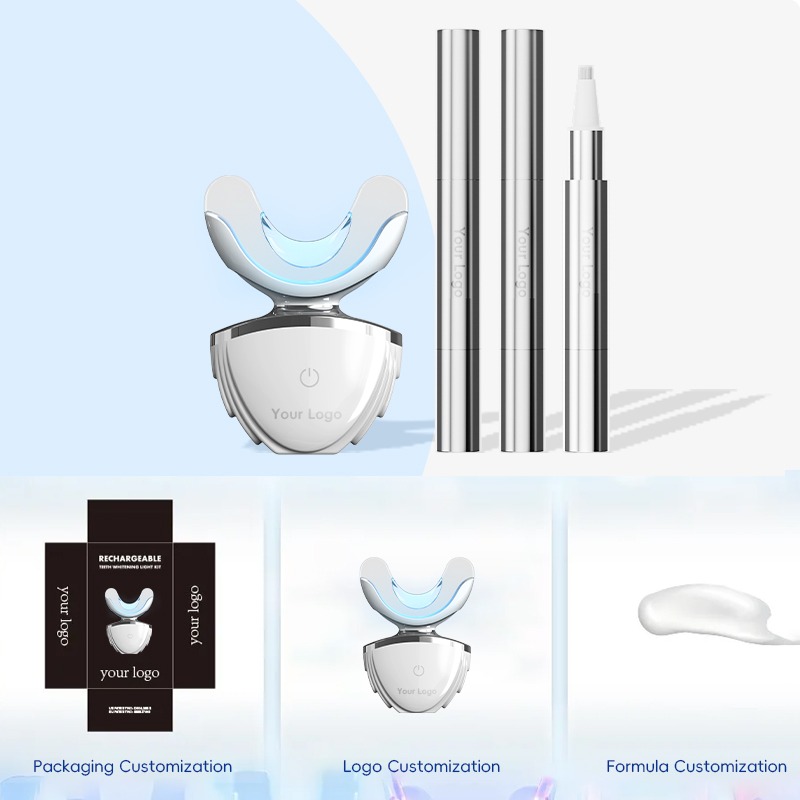
Teeth Whitening Device Patent and Intellectual Property Protection: How Can Brand Owners Avoid Infringement Risks?

Does Your Mold Development Service Include Support for Bulk Material Sourcing?
.jpg)
Can Arizona hard water damage your Arizona mineral toothbrush?
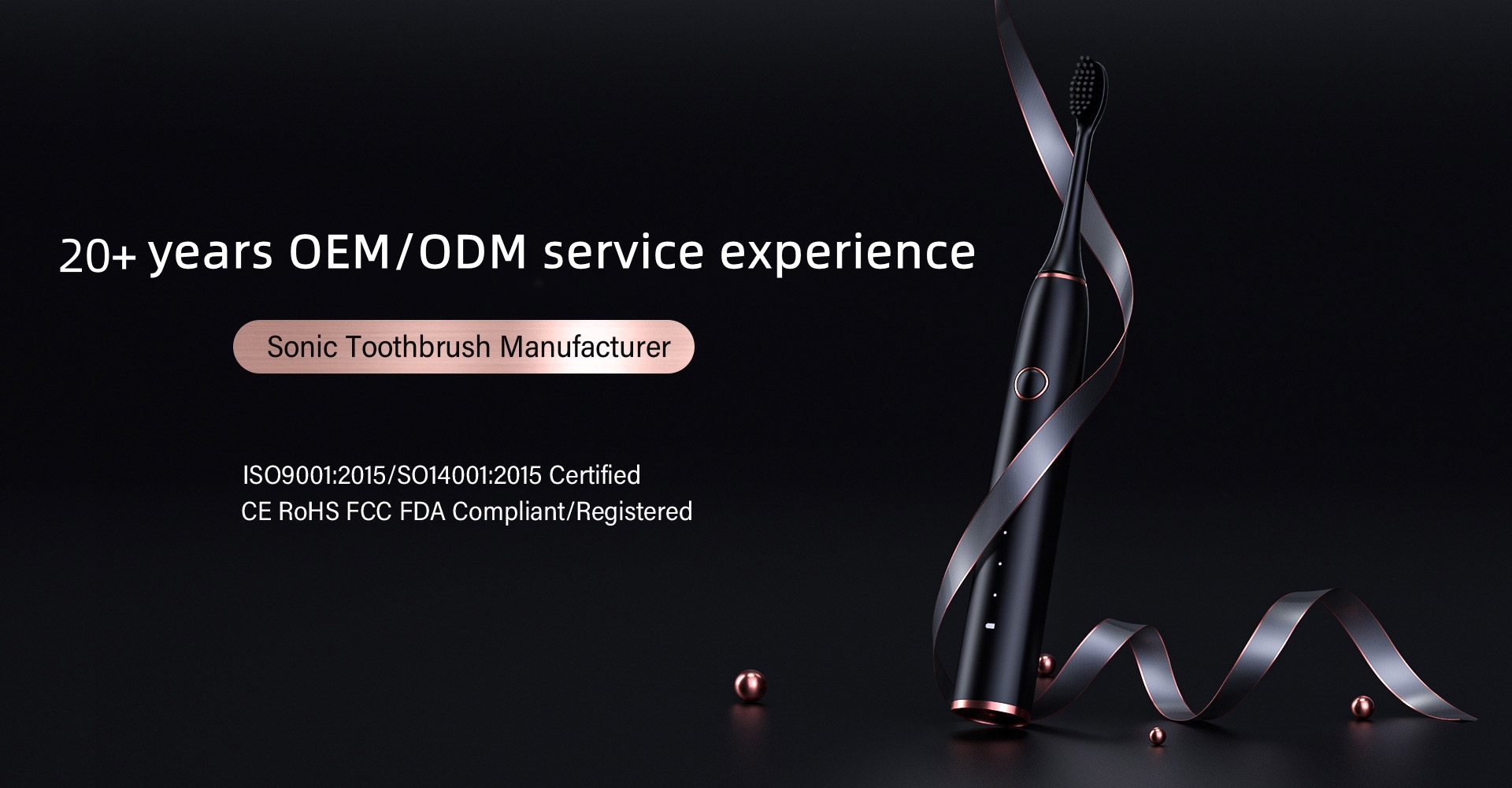
Electric Toothbrush Low-Noise × Sonic Vibration: Silent Tech for Smarter Brushing
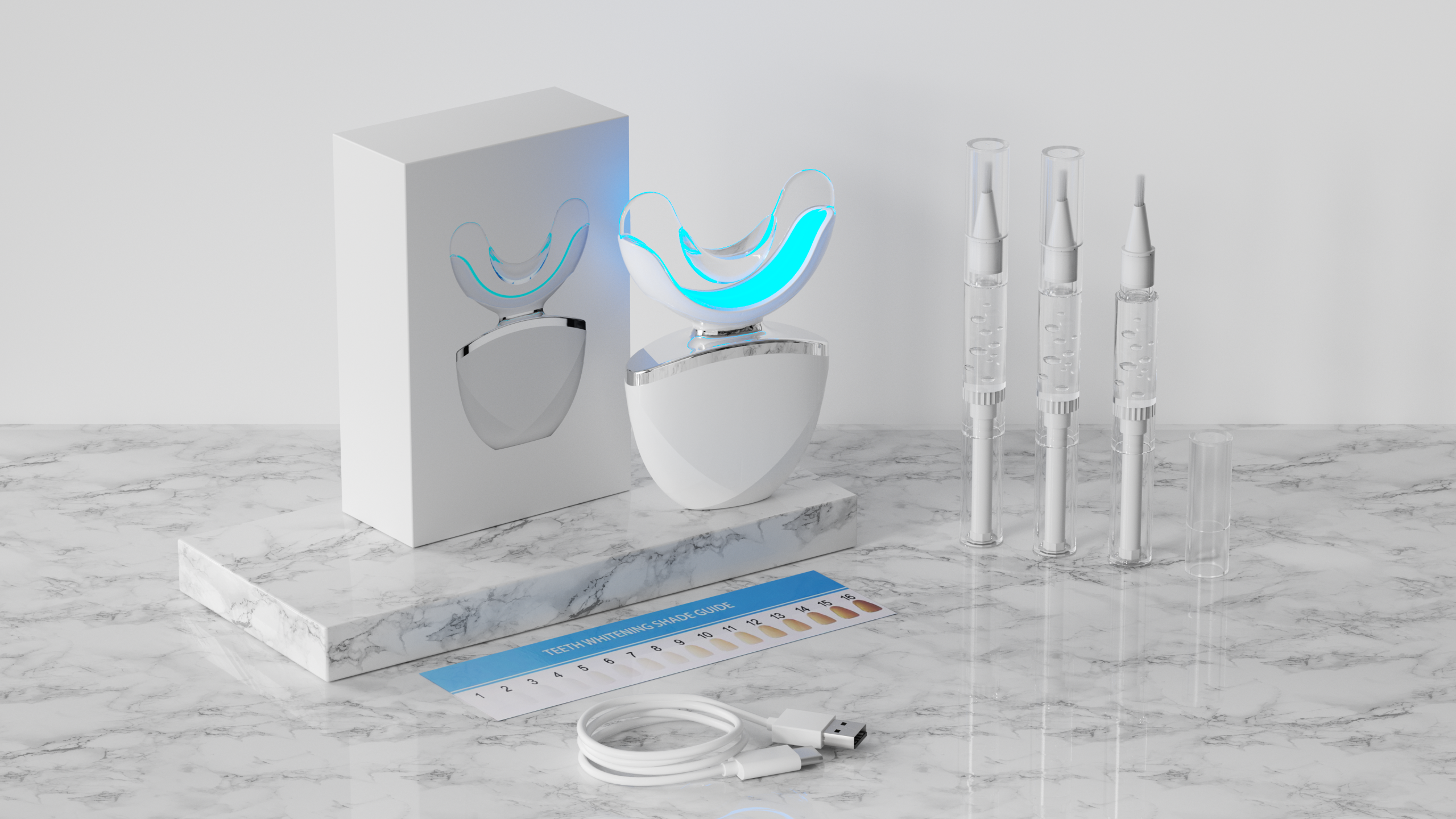
How Does a Teeth Whitening LED Kit Fit into the At-Home Beauty Device Market?
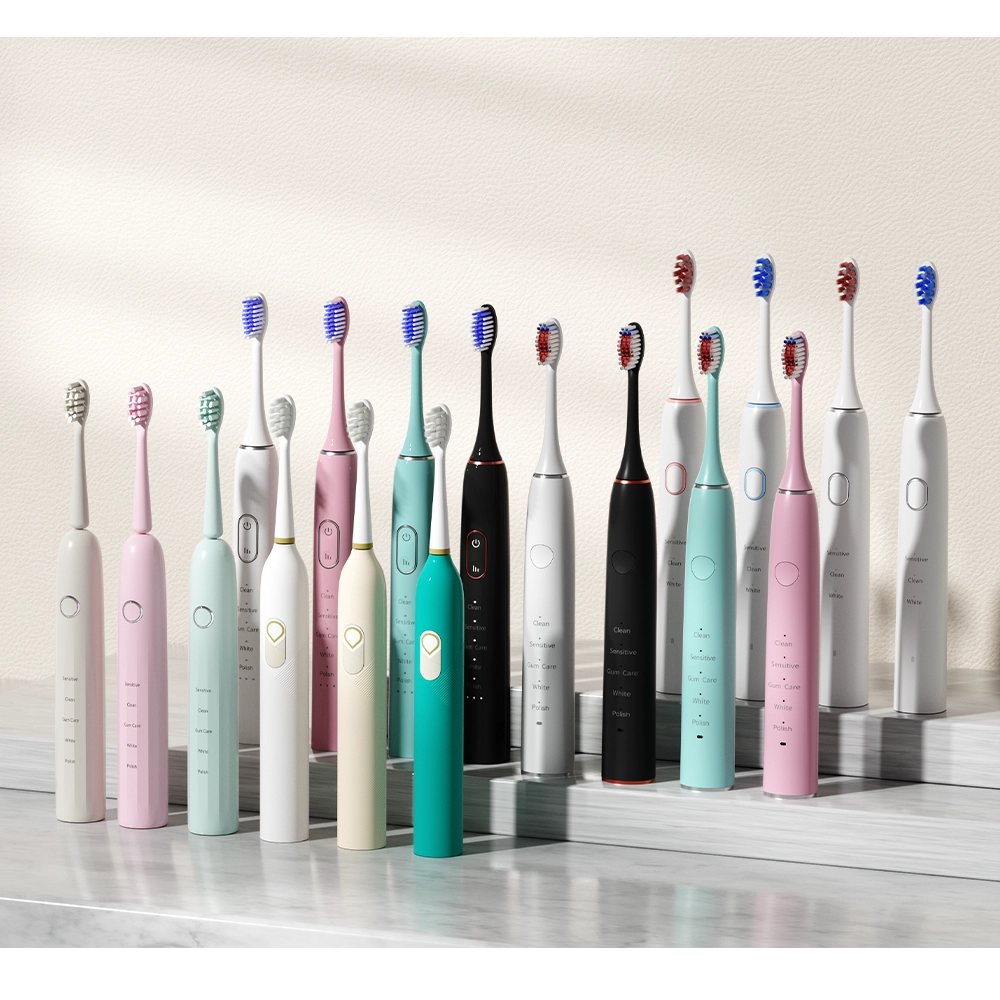
The Difference Between Different Types of Power Toothbrushes
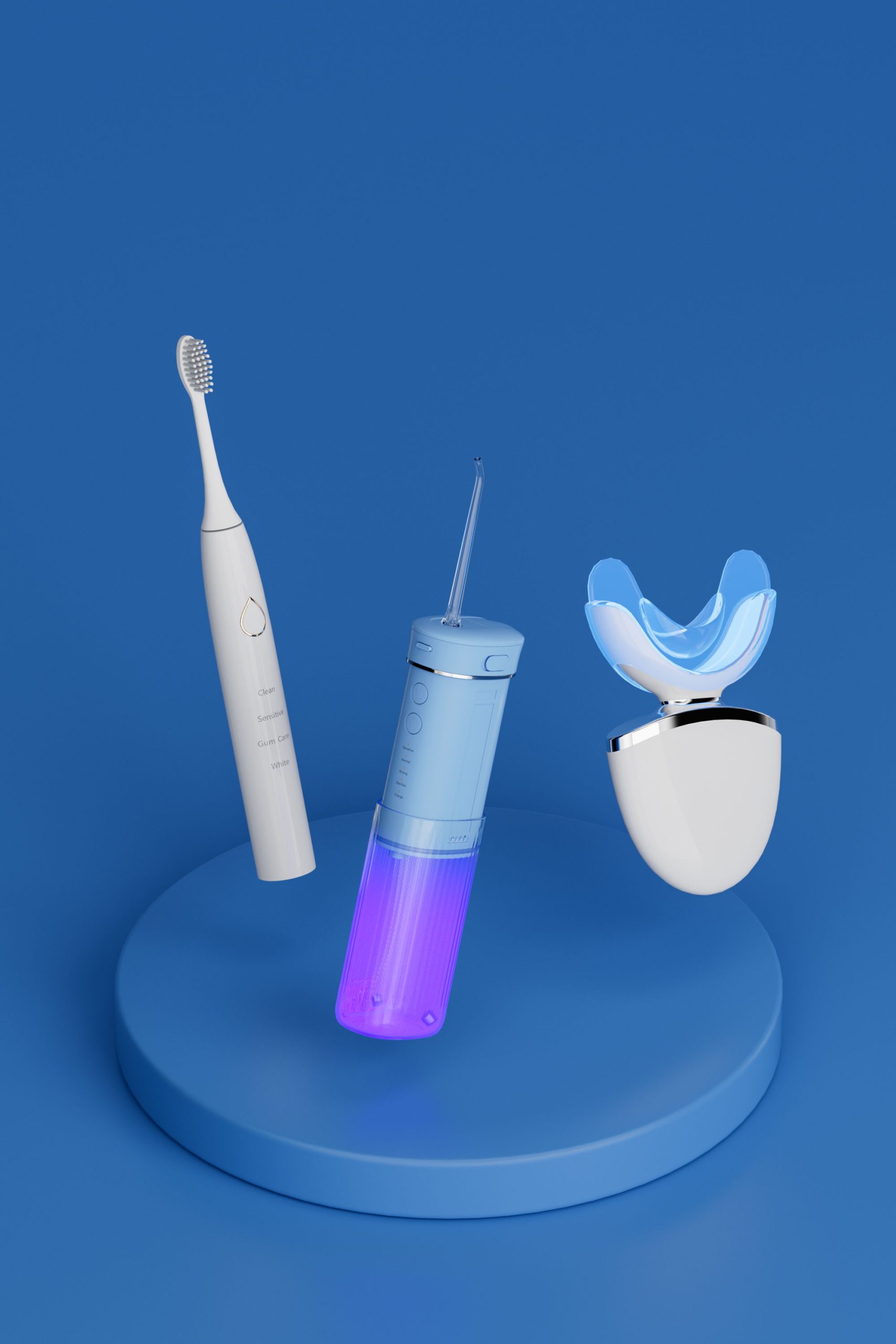
UV Sanitizing Technology in Electric Toothbrush OEM Design


.jpg)
.jpg)
.jpg)
.jpg)
.jpg)