Many users report brush head detachment coupled with decibel level discomfort—a combination that undermines confidence in your electric toothbrush line. Understanding the interplay between mechanical coupling, vibration noise, and material wear is essential for B2B manufacturers to deliver durable, quiet products that strengthen partner trust and reduce warranty claims.
First, an improperly engineered head‐shank interface can lead to unwanted detachment:
To prevent this, consider multi‐stage locking rings or threaded couplings that secure the head even under stress.
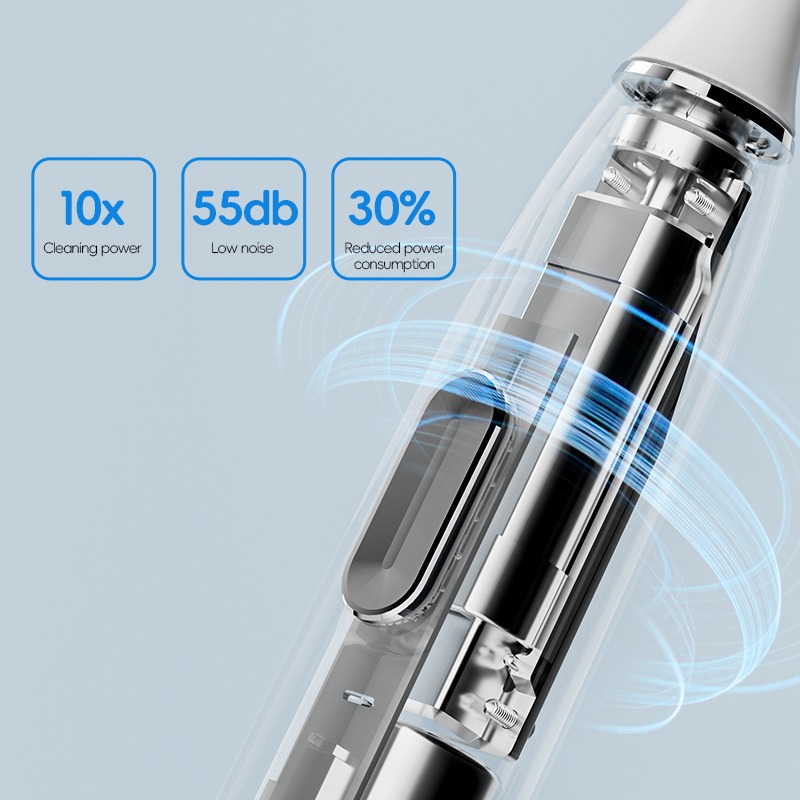
Moreover, excessive vibration levels not only cause decibel level discomfort but exacerbate detachment:
Implementing balanced rotors, optimized vibration isolation, and decibel‐rated motors (≤ 60 dB) can mitigate both noise and head movement.Company web:https://www.powsmart.com/product/electric-toothbrush/
Additionally, material choice and environmental exposure play critical roles:
Specifying UV‐stabilized, chemically resistant polymers with low creep rates helps maintain consistent head retention.
Furthermore, the perception of noise influences user trust:
By addressing decibel level discomfort through holistic acoustic design, you reduce user over‐compensation that can dislodge the head.
In addition to design fixes, clear maintenance instructions help prevent failures:
Providing these guidelines in packaging and training materials empowers channels to reduce field issues.
Finally, consider these forward-looking strategies for robust products:
By combining mechanical innovation, acoustic engineering, and user-centric maintenance protocols, B2B manufacturers can eliminate brush head detachment and decibel level discomfort—ensuring your electric toothbrush products stand out for reliability and comfort.Contact us.

Beginner’s Guide to Water Flosser Pressure Settings
How Can Electric Toothbrush Distributors Reduce Inventory Risk?
.jpg)
How to Deal with Sudden Tooth Sensitivity carefully?
How Much Does It Cost to Manufacture a Toothbrush?

Private mold development of Red and Blue Light Teeth Whitening Device: Shell Material Selection and Ergonomic Design Points
Slippery Electric Toothbrush Handles and Faulty Pressure Sensors: Solving Compatibility Issues?
Understanding and Treating Gum Bleeding problem When Brushing
-2-scaled.png)
The Scientific Principle of Red and Blue Light Teeth Whitening Device: How Can 460nm Blue Light and 630nm Red Light Safely Whiten Teeth?
Hydrogen Peroxide Concentration & Motor Durability: Linked?
Can Child Lock Failure Exacerbate Tongue Cleaner Abrasion?
Are You Brushing Too Hard?
Why Should Restricted Users Avoid Stain Residuals?
Why Are Battery Recycling Challenges Ignored Despite Gum Massage Inconsistency?
Is Blue Light Under 480nm Safe for Teeth Whitening Devices?
Understanding and Treating Gum Bleeding When Brushing
Is Adaptor Compatibility Limited by Grip Ergonomics Flaws?


.jpg)
.jpg)
.jpg)
.jpg)
.jpg)



.jpg)