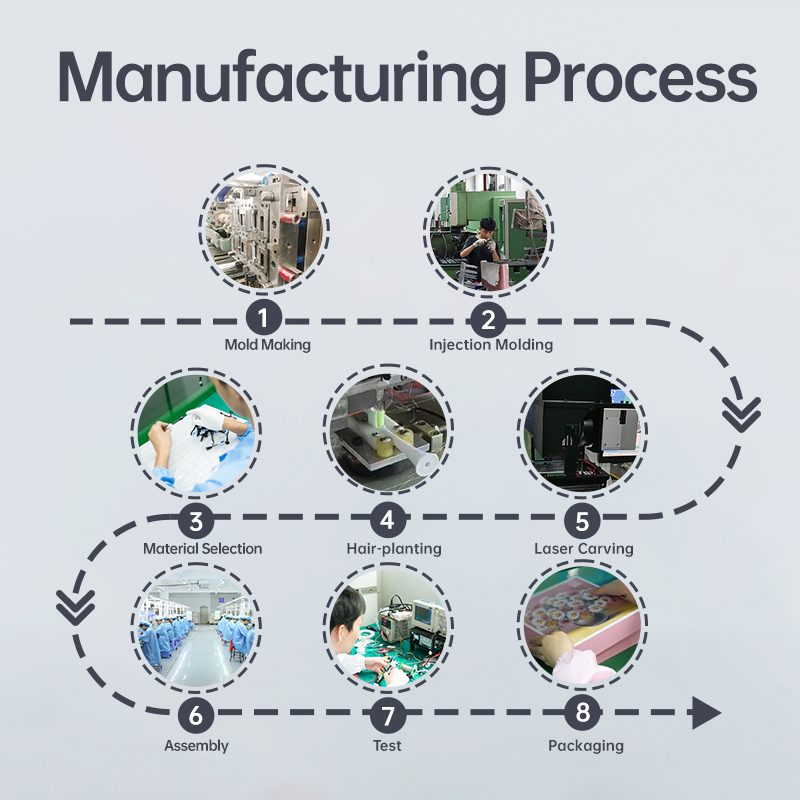
In the oral care manufacturing industry, achieving Brush Head Compatibility across multiple devices is often seen as a commercial advantage. However, from a regulatory perspective, universal designs introduce significant complexity in meeting Certification Compliance requirements. For OEMs and brand owners, balancing modular compatibility with strict safety, performance, and regional certification standards remains a critical challenge.
Universal brush heads must fit multiple handle designs, which can lead to inconsistent locking mechanisms or tolerances. Certification Compliance often requires validated retention force and detachment safety for each configuration, complicating approval processes.
Brush Head Compatibility becomes more complex when devices use different drive systems, vibration frequencies, or power outputs. Certification bodies may require separate testing to confirm safe operation under each electrical or mechanical interface.
Universal brush heads are exposed to varied operating conditions. Materials must meet Certification Compliance standards for wear, chemical resistance, and biocompatibility across all compatible devices, increasing testing scope and documentation.
Regulatory frameworks often require consistent cleaning efficacy and user safety. Ensuring Brush Head Compatibility does not compromise performance across different platforms can trigger additional validation and repeat testing.
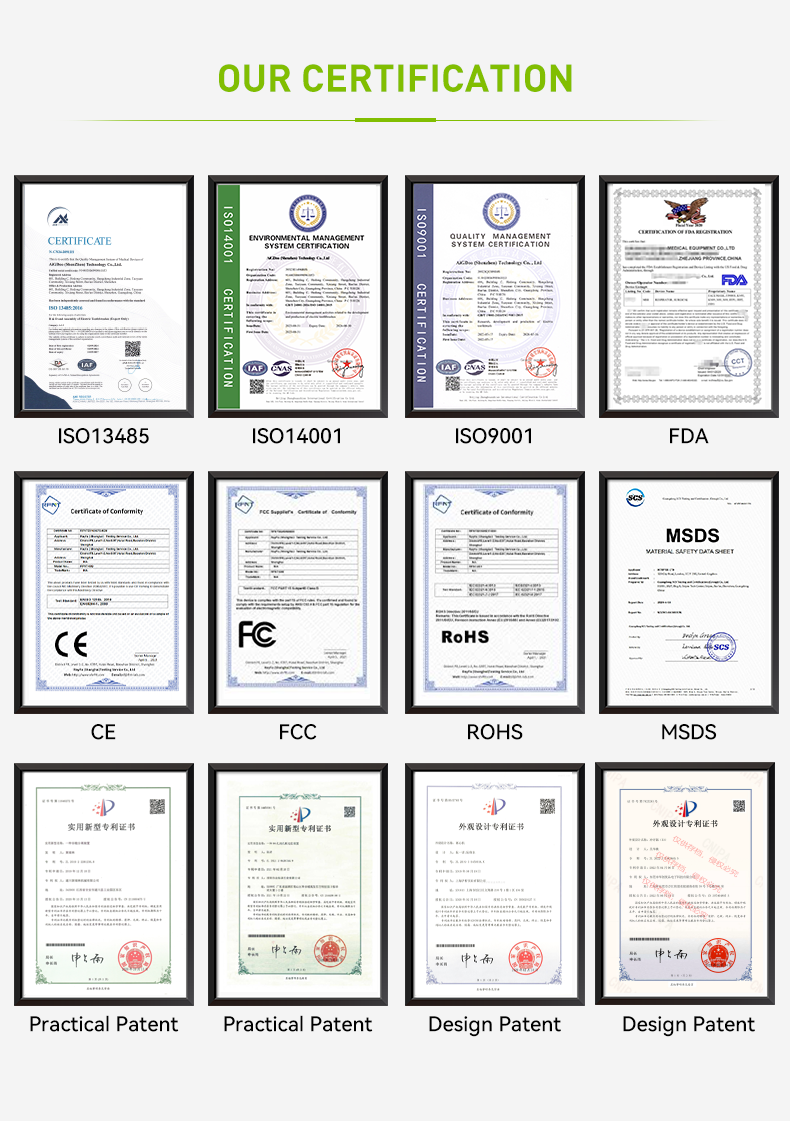
Global markets apply different certification standards (FDA, CE, ISO). A universally compatible brush head may meet requirements in one region but fail Certification Compliance criteria in another, limiting true global standardization.
Universal designs complicate traceability. Any design change to improve Brush Head Compatibility may require re-certification across multiple devices, increasing time-to-market and compliance costs.
While universal Brush Head Compatibility offers supply chain and consumer benefits, it significantly increases the complexity of Certification Compliance. For B2B manufacturers and OEM partners, a strategic approach—combining modular design, early regulatory alignment, and rigorous validation planning—is essential to achieving scalable, compliant oral care solutions. Contact us
Sourcing Wireless Charging Coils? Need a Reliable Global Logistics Partner for Delivery?
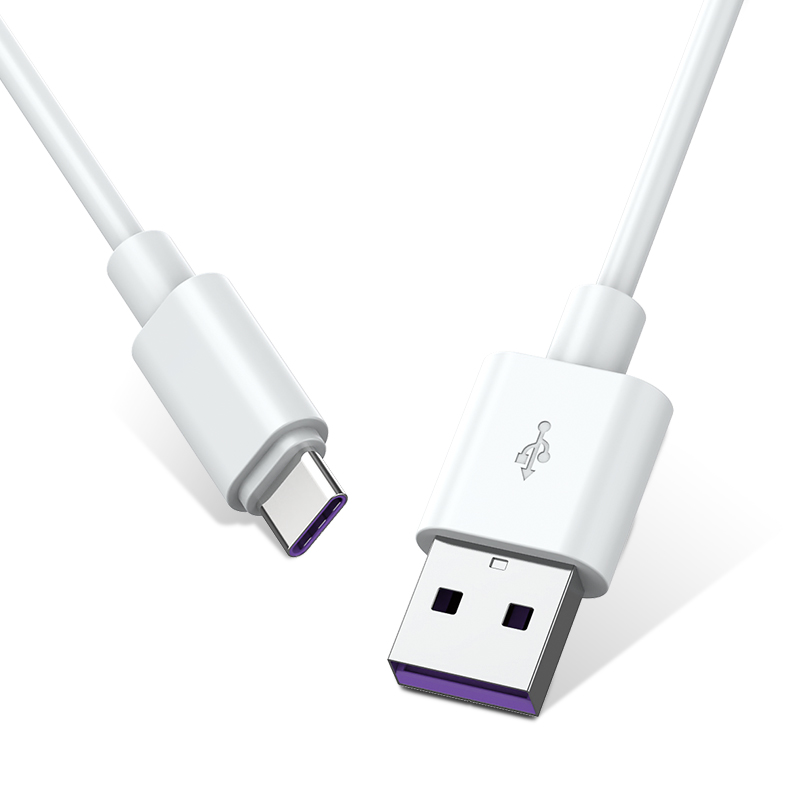
Fast Chargers & Electric Toothbrushes: A Manufacturer’s Technical Insight
What Safety Precautions Should Be Taken When Installing the Electric Toothbrush Head?
.jpg)
Ultra-Fine Bristle Electric Toothbrush Wholesale – Sensitive Care OEM Supply
.jpg)
What makes a toothbrush effective at fighting plaque?

Is a UV Free Whitening System Inherently More Enamel Safe?
Oral Beauty Device Supplier for Global Brands and Distributors
Electric Toothbrush Demo Units – OEM Manufacturing for Dental Offices
.jpg)
Can a Houston graduation care package include a premium toothbrush?
multi-mode electric toothbrush supplier
Why Add a UV Sanitizing Component When Oral Care Kit Bundling for Travel?
.jpg)
Corporate gift sonic electric toothbrush suppliers Houston
OEM Electric Toothbrush Supplier Supporting Small Orders

Can an Orthodontic Jet Tip Be Enhanced by a Smart Multi-pressure Setting Chip?
Why Are Safe Whitening Ingredients Paramount in a Wearable Whitening Strip?
Fourth of July Red Blue Electric Toothbrush


.jpg)
.jpg)
.jpg)
.jpg)
.jpg)






.jpg)
.jpg)