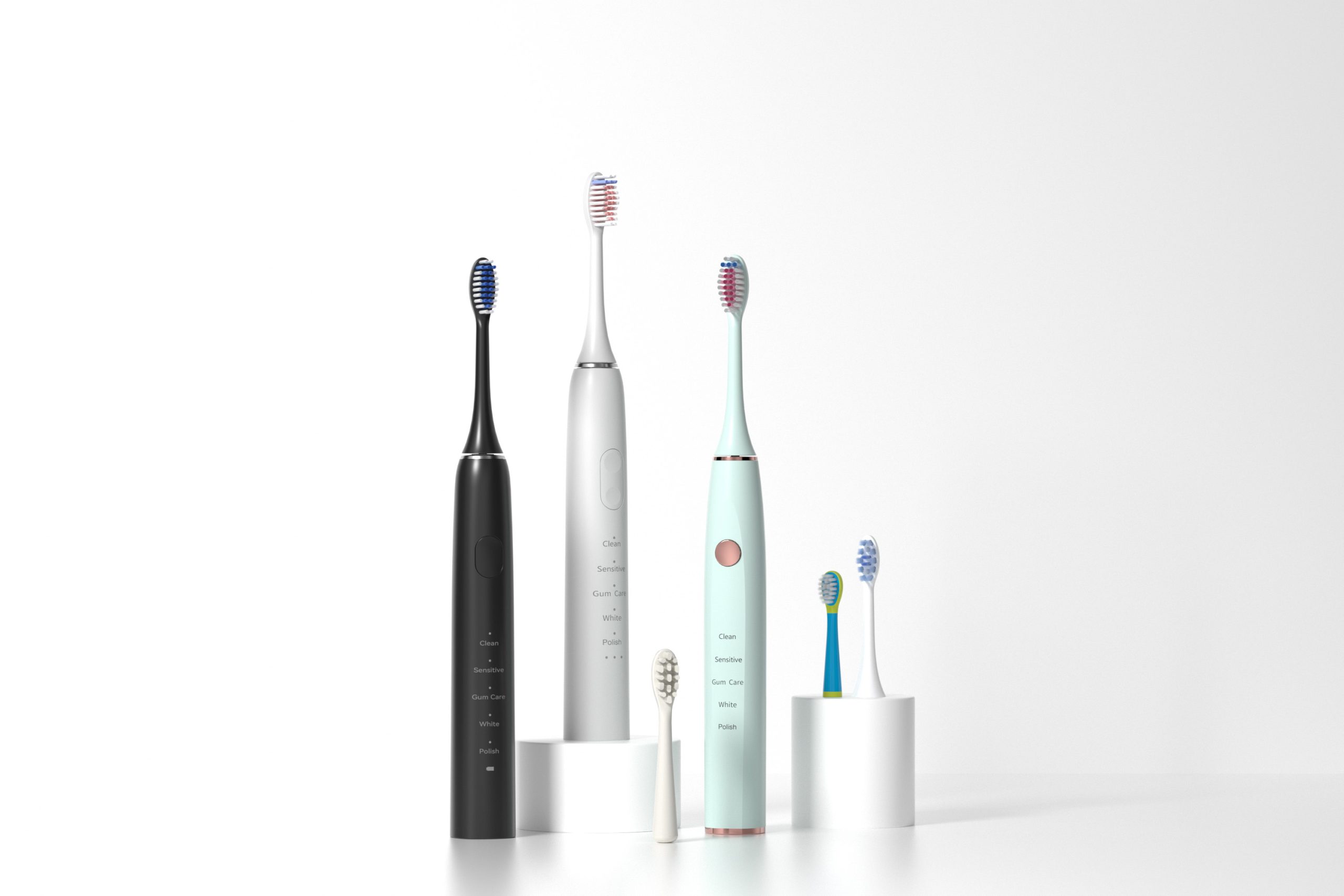
In electric toothbrush manufacturing, product quality and safety are essential for maintaining brand reputation and user satisfaction. After the Silicone Overmold Service process is completed, performing Brush Head AQL Testing becomes a critical quality control step. The overmolding process enhances comfort, durability, and sealing performance of the brush head, but it can also introduce potential manufacturing variations. Through systematic Brush Head AQL Testing, manufacturers can verify that each batch meets strict quality standards before reaching the market.
The Silicone Overmold Service involves applying a silicone layer over plastic components to improve flexibility and comfort. However, improper bonding or uneven molding can occur during production.
By conducting Brush Head AQL Testing, manufacturers can inspect:
These inspections ensure that the overmolded structure remains reliable during daily use.
Appearance is an important factor in consumer products like toothbrush heads. After Silicone Overmold Service, surface imperfections may appear due to molding pressure, temperature variation, or material flow.
Through Brush Head AQL Testing, quality inspectors can identify issues such as:
Maintaining high visual quality supports a premium product presentation.
Although the silicone layer enhances the brush head design, it should not affect the positioning of the bristles. Brush Head AQL Testing helps verify that the bristle layout remains stable after the Silicone Overmold Service process.
Testing can confirm:
This ensures that the brush head continues to provide effective cleaning.
The silicone layer added during Silicone Overmold Service must withstand repeated use, water exposure, and mechanical vibration from the toothbrush motor.
With Brush Head AQL Testing, manufacturers can evaluate durability factors such as:
These checks help ensure long-term product reliability.
For OEM manufacturers producing brush heads in large volumes, maintaining consistent quality across batches is essential. Brush Head AQL Testing uses standardized sampling methods to verify that production meets predefined acceptance levels.
This process helps manufacturers:
Quality control at this stage strengthens overall manufacturing reliability.
Consumers expect oral care products to meet high safety and performance standards. Any defect in brush head structure or comfort can negatively affect the user experience.
By implementing strict Brush Head AQL Testing after the Silicone Overmold Service process, manufacturers demonstrate their commitment to product quality. This quality assurance process helps brands deliver reliable toothbrush heads and maintain long-term customer trust.
After completing the Silicone Overmold Service, performing thorough Brush Head AQL Testing is essential to ensure product quality, durability, and visual consistency. From verifying structural bonding to detecting cosmetic defects and maintaining performance standards, this testing stage plays a vital role in electric toothbrush manufacturing. For OEM suppliers and oral care brands, strong quality control practices are key to delivering dependable and competitive brush head products. Contact us
.jpg)
Can a Toothbrush Provider Supply Toothbrush for Children with Characters?
.jpg)
Private Label Dental Products China | OEM & Wholesale
Bulk Rechargeable Electric Toothbrushes for Hotels

Is Chewing Ice Bad for Your Teeth? The Hidden Dangers Explained
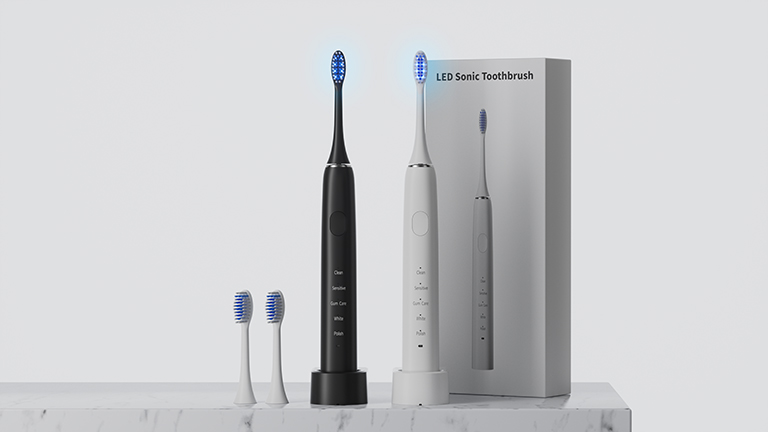
Looking for Toothbrush OEM Manufacturing Services with Custom Toothbrush Branding Capabilities?
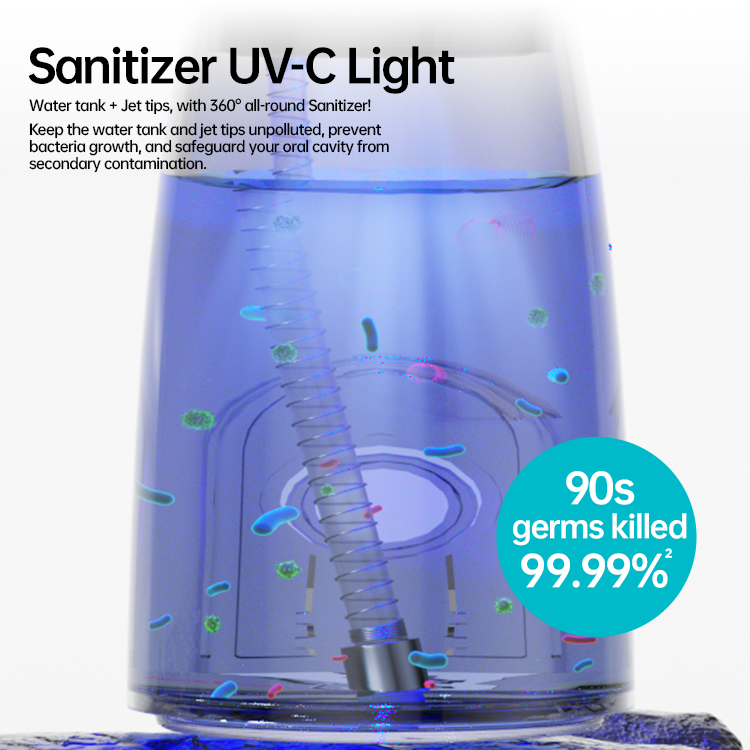
The Science Behind UVC Sterilization in Water Flosser Tank
Smart Toothbrush App Supplier Seattle Tech | Innovation in Oral Care
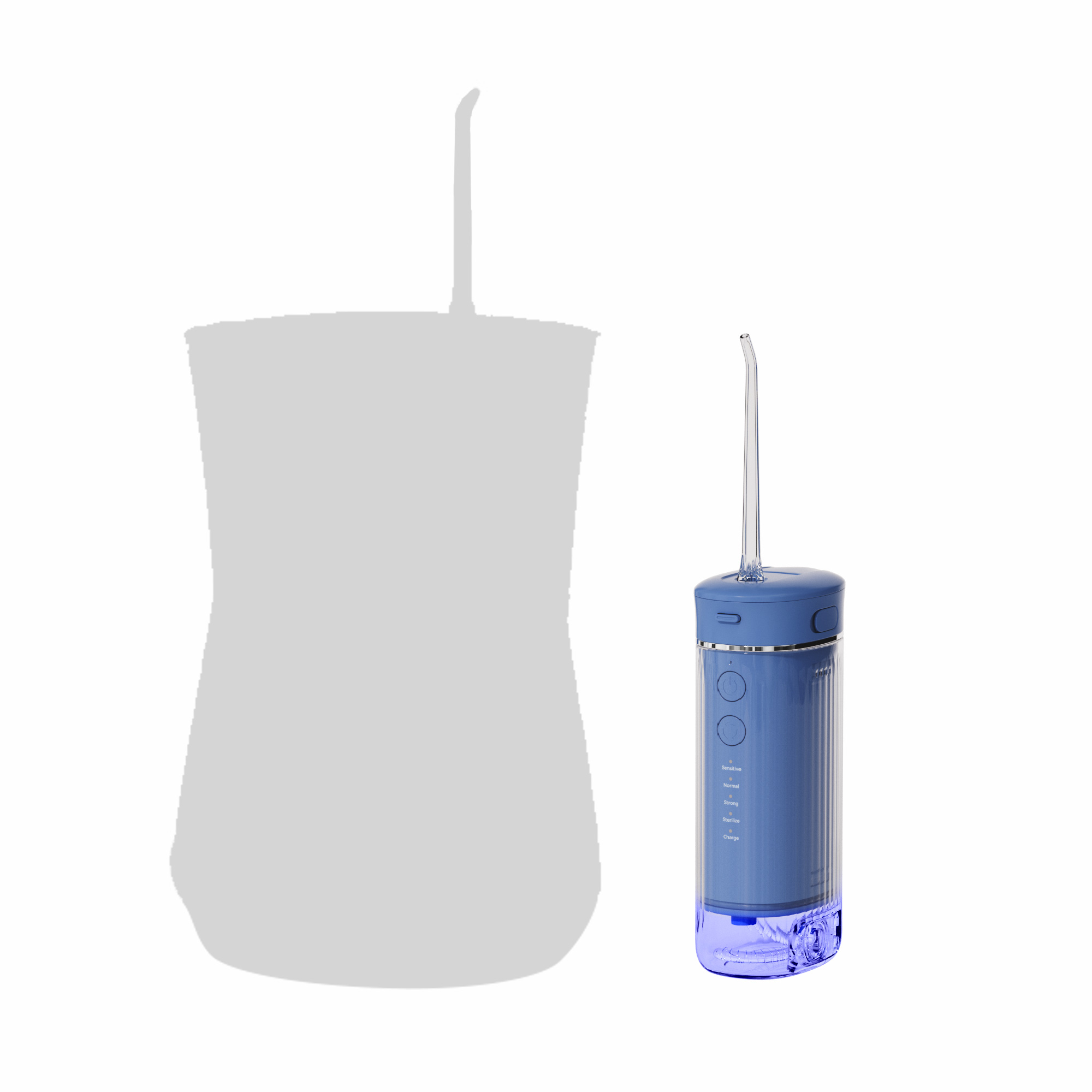
How Does a Water Flosser Pump OEM Partner Ensure Quality for Oral Irrigator Nozzle Production?
Why Is a Dental Recommended Brush with BPA-Free Brush Heads Safer?
Electric Toothbrush’s ODM and Automated – The Key to Faster Time-to-Market
Smart Electric Toothbrush for Tech Professionals Koramangala
India corporate gift or Wedding gift toothbrush— which suits Diwali best for B2B programs?
Eco-Friendly Electric Toothbrush Manufacturer | Sustainable Oral Care
Water Flosser Gum Disease Benefits: Manage Periodontal Health Effectively

New Trends in the Electric Toothbrush Industry: How Can Intelligent Connectivity Enable Brand Premium?
Best Toothbrush Kolkata | Trusted Oral Care


.jpg)
.jpg)
.jpg)
.jpg)
.jpg)