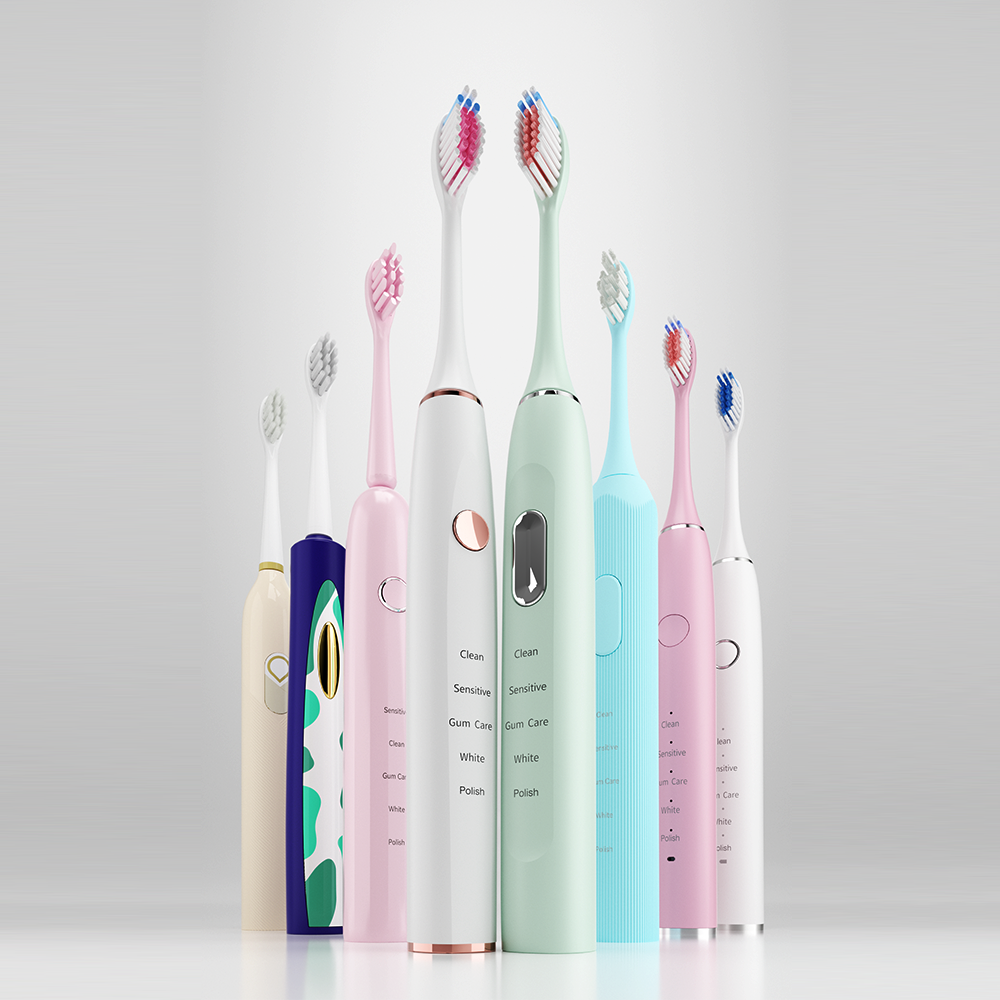
Evolving personal care and oral care markets drive product design to prioritize functionality and user comfort. The brush handle, often overlooked, is an essential element that can significantly impact the ergonomics and usability of products such as toothbrushes. Through the integration of Vent Design and Flow Simulation, Powsmart technology co., ltd can optimize brush handle performance, enhancing both comfort and efficiency. In this blog, we explore the importance of engineered brush handles, how Flow Simulation enhances product design, and how Vent Design contributes to ergonomic efficiency.
The brush handle is the foundation of any brushing device, directly influencing how a user interacts with the product. When poorly designed, a handle can lead to discomfort, lack of control, or inefficient brushing motion. Designers must carefully engineer brush handles to improve ergonomics, ensuring ease of use, comfort, and functionality. Optimizing brush handle design by analyzing hand motions reduces strain and enhances grip comfort for long-term use.
One innovative solution to enhance brush handle ergonomics is the integration of vent design. This design element allows for better airflow around the brush handle, reducing moisture buildup and improving comfort during use. The inclusion of vents in the handle allows air to circulate, preventing the handle from becoming slippery due to sweat or water, particularly in humid environments like bathrooms. Proper ventilation keeps brush handles dry, prevents microbial growth, and extends product lifespan. Through thoughtful vent design, manufacturers can create handles that are more comfortable to hold, while also improving hygiene and overall usability.
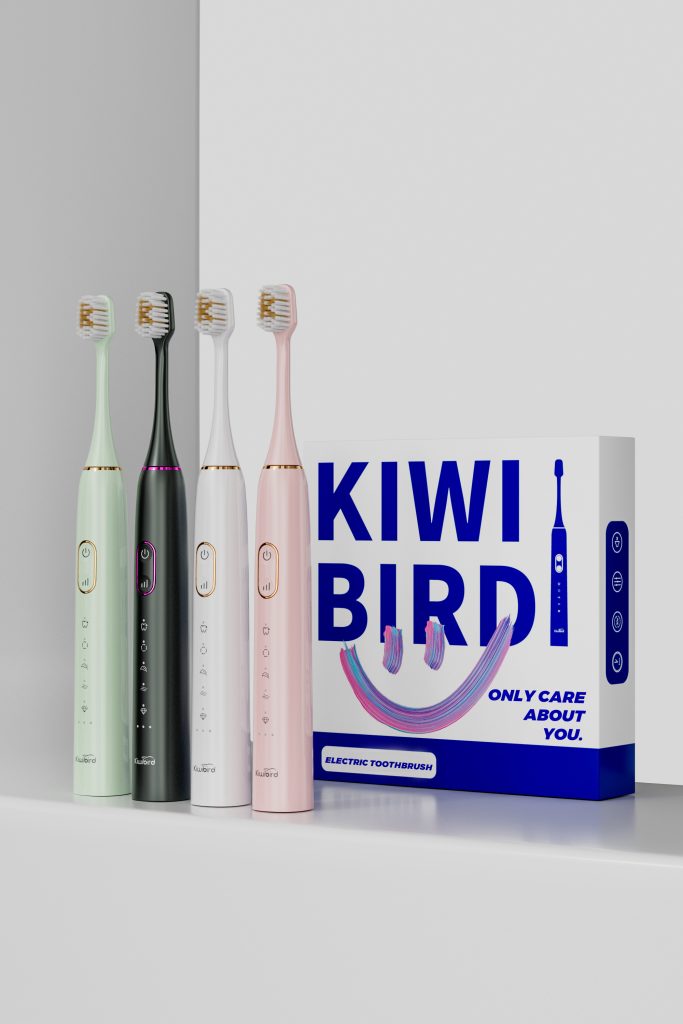
Flow Simulation is a powerful tool used by engineers to model and analyze how air and moisture interact with the brush handle during use. By simulating airflow patterns, manufacturers can test different designs and determine the most effective vent design to optimize user comfort. Flow simulations help predict how moisture will accumulate, where it might cause issues like slippage, or where ventilation is most needed for comfort. This simulation process also ensures that the brush handle maintains its structural integrity over time, even under regular use. Advanced computational tools enable engineers to optimize brush handle design and functionality, eliminating costly prototypes.
Ergonomic brush handle design requires analyzing user hand/wrist motions and needs during brushing. Vent design and flow simulation are key components in this process, as they address airflow, moisture control, and the physical comfort of the user. Strategic vent openings in moisture-prone or high-movement areas reduce hand fatigue and boost brushing comfort. Moreover, Flow Simulation helps to fine-tune these design features, ensuring that air moves freely and effectively around the handle, creating a more balanced and comfortable product.
After incorporating vent design and utilizing flow simulation, the next crucial step is testing. Engineers put prototypes through rigorous trials to assess their ergonomic performance in real-world conditions. Flow simulations are validated with physical tests to ensure that moisture control, airflow, and comfort align with the simulation’s predictions. Additionally, user feedback is gathered to evaluate the comfort, usability, and overall performance of the brush handle. This iterative process ensures that the final product delivers maximum comfort and ergonomic efficiency, allowing manufacturers to fine-tune any aspect of the design that may need adjustment before mass production.
As technology continues to advance, the future of brush handle design is bright. The integration of Flow Simulation and vent design will continue to evolve, enabling even more precise and effective designs that cater to individual user needs. Future designs may also include materials with better moisture resistance, improved antimicrobial properties, and more sustainable options. Rising consumer demands for comfort and performance drive manufacturers to leverage cutting-edge simulation tools and design innovations. The goal will always be to create ergonomic, efficient, and hygienic brush handles that improve the overall user experience.
In conclusion, brush handle design is a critical factor in the overall performance and user experience of brushing products. By integrating vent design and using flow simulation, manufacturers can ensure that their products meet the highest standards of ergonomic efficiency.Innovative designs enhance comfort by reducing moisture, preventing slippage, and boosting durability and hygiene. Advancing technology drives innovative personal care designs, enhancing functionality, comfort, and user experience.https://www.powsmart.com/about-powsmart/
-3-scaled.png)
Home vs. Professional Red and Blue Light Teeth Whitening Devices: Wavelength Stability and Energy Density Comparison
.jpg)
Small Order Electric Toothbrush Supplier
Advantages of Wireless Teeth Whitening Devices
Private Label Whitening Device Manufacturer for Cosmetic Brands
.jpg)
Before or After Brushing? Solving the Water Flosser Sequence for Your OEM Brand
Partner with OEM Experts for Dentist-Recommended At-Home Teeth Whitening Products
Building Quality Water Flossers: Essential Standards for Home Use & OEM Production
What Features Should Cost-Effective Electric Oral Hygiene Products Have?
How to Build a Competitive Oral Beauty Device Private Label Brand
How Does a Plume Evacuation System Improve Safety in Photo-accelerated Oxidation Whitening Devices?
Electric Toothbrush Waterproof Testing for OEM and B2B Manufacturing
Rechargeable Electric Toothbrush Supplier
Hose Kinking Leading to Weak Suction—A Hidden Efficiency Killer?
Is Your Whitener Automated Assembly Truly Integrated with Industry 4.0 Standards?
.jpg)
How Does a Water Flosser Nozzle Manufacturer Support an Orthodontic Water Flosser OEM for Specialized Care?
Is a Business owner toothbrush worth a Surat premium gift investment?


.jpg)
.jpg)
.jpg)
.jpg)
.jpg)