In the fast-paced world of product development, Accelerated Life Testing (ALT) has become a critical component for ensuring the durability and reliability of technology. When entering into a Technology Licensing Agreement, it’s crucial for both parties to understand the long-term performance of the product being licensed. But should Accelerated Life Testing data be part of these agreements? This blog explores the importance of ALT data in a licensing agreement, highlighting the value it brings to both licensors and licensees, and why its inclusion can provide significant benefits for both parties.
Accelerated Life Testing (ALT) is a process used to evaluate the lifespan of a product or component by subjecting it to extreme conditions. This testing simulates accelerated wear and tear through higher temperatures, pressures, or other stress factors to determine how long the product will last under typical usage conditions. ALT provides data that helps manufacturers predict product performance, estimate maintenance cycles, and improve design longevity.
For example, in the case of electronic devices, ALT might expose a product to higher-than-normal temperatures to accelerate aging processes and measure how long the product can function before failure. ALT results give manufacturers and stakeholders invaluable insights into the reliability of a product over time.
A Technology Licensing Agreement is a legal arrangement in which one party (the licensor) grants another party (the licensee) permission to use, manufacture, or sell technology under specific terms and conditions. These agreements are common in industries such as electronics, pharmaceuticals, and software, and are used to share intellectual property (IP) rights while protecting both parties’ interests.
Licensing agreements typically cover various aspects such as royalty rates, usage restrictions, and duration of the license. However, they often fail to address key performance indicators that could be vital for both the development and ongoing commercialization of the licensed technology. This is where Accelerated Life Testing data becomes crucial.
There are several compelling reasons why Accelerated Life Testing data should be part of a Technology Licensing Agreement:
For the licensee, Accelerated Life Testing data offers several advantages, including:
For the licensor, including ALT data in the agreement can provide several key benefits:
Incorporating Accelerated Life Testing (ALT) data into a Technology Licensing Agreement provides significant value. For the licensor, it ensures the product performs reliably, reduces the risk of liability, and can bolster future product improvements. For the licensee, it offers transparency, improves operational efficiency, and increases confidence in the product’s performance.
In industries where product durability and reliability are paramount, such as electronics, medical devices, or automotive, including ALT data is not just beneficial but critical. By including this data in the licensing agreement, both parties are better equipped.
In short, ALT data enhances the integrity of the Technology Licensing Agreement, making it a valuable component in fostering mutually beneficial partnerships. Contact us
.jpg)
Charge Failure Triggering Display Glitches – Connected?
pH Imbalance with Biofilm Regrowth – Vicious Cycle?
multi-mode electric toothbrush supplier
.jpg)
Why Are OEM Toothbrush Heads Essential for a Successful Toothbrush Subscription Service Model?

Why Smart Electric Toothbrushes Are Oral Care Market Trends and in Demand
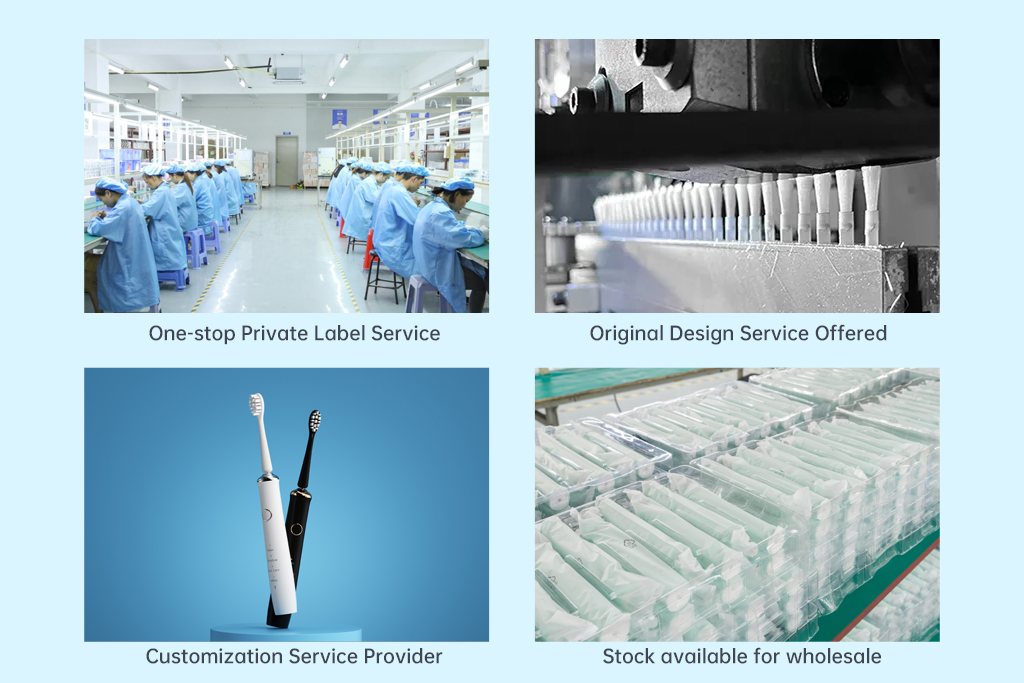
Custom Design OEM Services for Texas Style Pattern Toothbrush Manufacturing
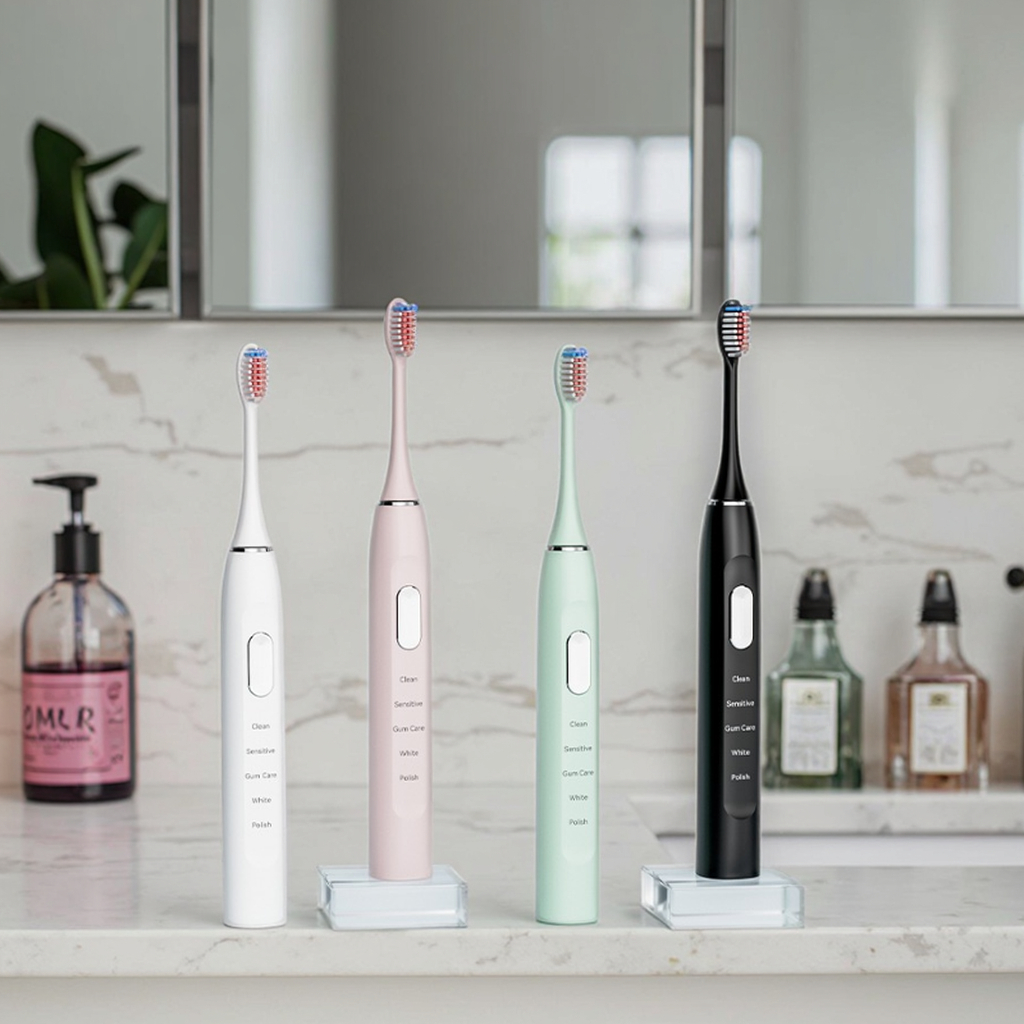
What Functions Are the Most Concerned by Electric Toothbrush Users?
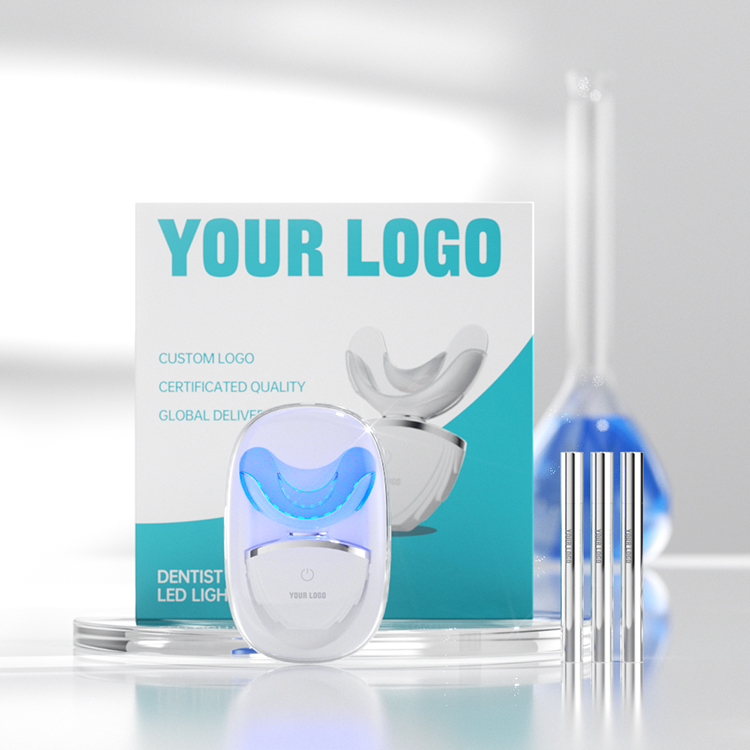
A Comparison of Different At-Home Teeth Whitening Options for OEM Product Development
USB-C Travel Water Flosser – Compact Portable Irrigator
Long Battery Life Electric Toothbrush Wholesale – Bulk Supply for Retailers & Brands
Electric Toothbrush Supplier Alabama | Corporate & Dental Partners

How can a built-in smart timer cultivate the good habit of brushing for a full 2 minutes each time?
dual-action electric toothbrush OEM
Custom Logo Whitening Kit Manufacturer
Private Label Electric Toothbrush Solutions
Ensuring Safety in Personal Teeth-whitening: A Guide for OEM Brands


.jpg)
.jpg)
.jpg)
.jpg)
.jpg)




.jpg)