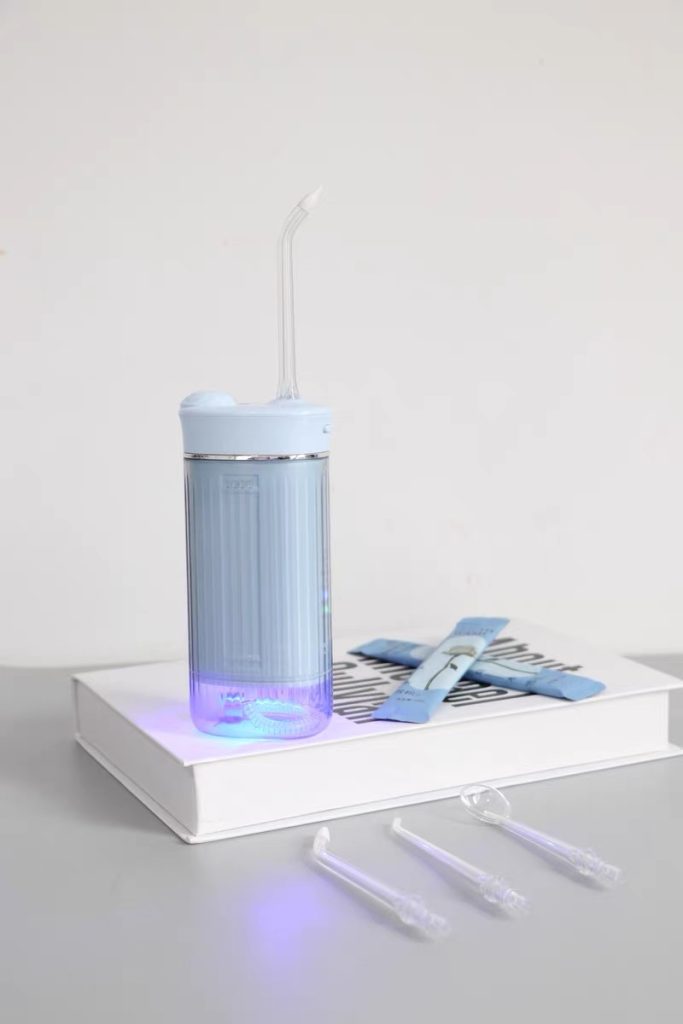
Small brushes or water jets? This water flosser interdental brushes comparison breaks down the pros and cons of each interdental cleaning method for different gap sizes and needs. Both tools remove plaque and food particles from between teeth, but they work best in different situations. For high-quality water flossers and interdental brushes, visit https://www.powsmart.com/.
How Water Flossers Work
First, water flossers use a targeted stream of water to clean between teeth:
- They blast away plaque and food particles from between teeth and along the gumline.
- The water penetrates periodontal pockets up to 6mm deep, making them ideal for people with gum disease or deep pockets.
- They’re easy to use, requiring no fine motor skills, making them perfect for people with limited dexterity.
- They’re gentle on sensitive gums, reducing irritation and bleeding.
How Interdental Brushes Work
Furthermore, interdental brushes are small, cone-shaped brushes that fit between teeth:
- They physically scrub away plaque and food particles from between teeth, making them more effective at removing stubborn buildup.
- They come in different sizes to fit different gap sizes, making them ideal for people with narrow or wide gaps.
- They’re portable and affordable, requiring no electricity or water to use.
- They’re better at cleaning around braces, implants, and other dental appliances.
Which Is Better for Your Needs?
In addition, use this comparison to choose the right tool:
表格
| Needs | Water Flosser | Interdental Brushes |
|---|---|---|
| Sensitive gums | ✅ Gentle, no irritation | ❌ May cause bleeding if used incorrectly |
| Deep periodontal pockets | ✅ Penetrates up to 6mm | ❌ Can’t reach deep pockets |
| Braces/implants | ✅ Cleans around appliances without damage | ✅ Scrubs away plaque from appliances |
| Narrow gaps | ❌ May not fit between tight teeth | ✅ Comes in small sizes for narrow gaps |
| Limited dexterity | ✅ Easy to hold and use | ❌ Requires fine motor skills |
| Portability | ❌ Bulky, needs electricity | ✅ Small, portable, no power needed |
How to Combine Both Tools
In addition, many people use both tools for maximum cleaning:
- Use an interdental brush to scrub away stubborn plaque from between teeth.
- Follow with a water flosser to blast away remaining debris and clean deep pockets.
- This combination delivers the most effective interdental cleaning, reducing the risk of cavities and gum disease.
In conclusion, this water flosser interdental brushes comparison helps you choose the right tool for your needs. Water flossers are best for sensitive gums and deep pockets, while interdental brushes are better for narrow gaps and dental appliances. For more interdental cleaning tips, visit https://www.ada.org/en/resources/consumer/oral-health/brushing-and-flossing/interdental-cleaning.
.jpg)
