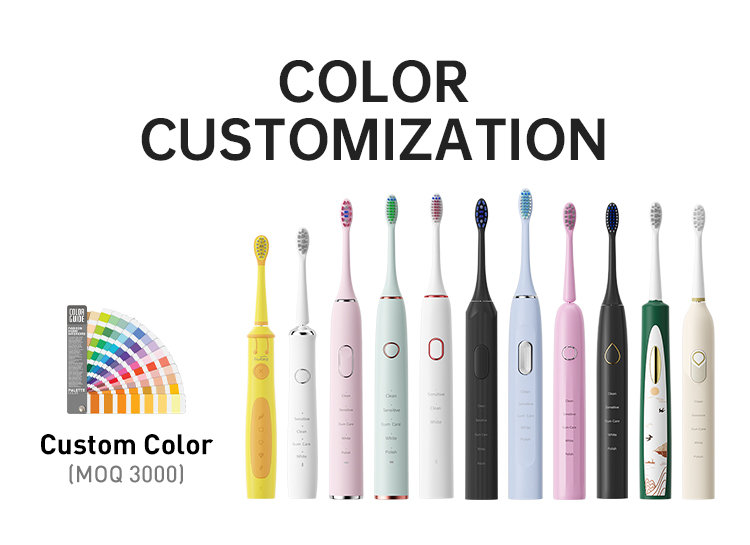
Understanding sonic ultrasonic toothbrush differences explained helps you pick the right brush for your smile. Sonic and ultrasonic toothbrushes use different technology to clean teeth, and each has unique benefits for different oral care needs. Knowing the differences ensures you choose a brush that fits your habits and your dental health goals. For advanced sonic and ultrasonic toothbrushes, visit https://www.powsmart.com/.
How Sonic Toothbrushes Work
Sonic toothbrushes use high-frequency vibrations (up to 30,000–70,000 strokes per minute) to create a fluid action that dislodges plaque and food particles from between teeth and along the gumline. The vibrations push water and toothpaste into hard-to-reach areas, making them effective for deep cleaning. They’re gentle on gums and ideal for people with sensitive teeth or gum disease.
How Ultrasonic Toothbrushes Work
Ultrasonic toothbrushes use ultra-high-frequency sound waves (up to 1.6 MHz) to break down plaque biofilm without the need for vigorous brushing. The sound waves disrupt the bacteria in plaque, making it easier to remove with a gentle brushing motion. Ultrasonic brushes are extremely gentle and are often recommended for people with receding gums or thin enamel.
Which is Right for You?
Choose a sonic toothbrush if you want deep cleaning and effective plaque removal for daily use. Choose an ultrasonic toothbrush if you have sensitive gums, receding gums, or thin enamel, and need a gentler cleaning option. Both types are effective, but the right choice depends on your oral care needs. For more on toothbrush technology, visit https://www.mayoclinic.org/healthy-lifestyle/adult-health/in-depth/toothbrush-care/art-20046273.
This sonic ultrasonic toothbrush differences explained guide takes the guesswork out of choosing a brush. You’ll find a model that fits your needs and keeps your smile healthy.