For oral-care brands looking to expand into whitening products, the biggest challenge is balancing efficacy with safety. Consumers are increasingly aware of tooth sensitivity, enamel erosion, and harsh chemical formulas, which pushes brands to seek the least damaging teeth whitening methods. This is where high-quality OEM whitening solutions become invaluable—combining science, safety, and customization to help brands launch products that truly stand out. Below, we explore the six key considerations for Whiten Your Teeth-whitening products that protect enamel while delivering visible results.
Start with Enamel-Safe Active Ingredients
The first step to achieving the least damaging teeth whitening effect is choosing the right whitening agents. Instead of relying solely on high-concentration peroxide, innovative OEM manufacturers now offer alternatives like PAP, PE whitening complexes, and remineralizing blends. These ingredients minimize irritation while still effectively breaking down stains.
Incorporate Gentle Whitening Technology
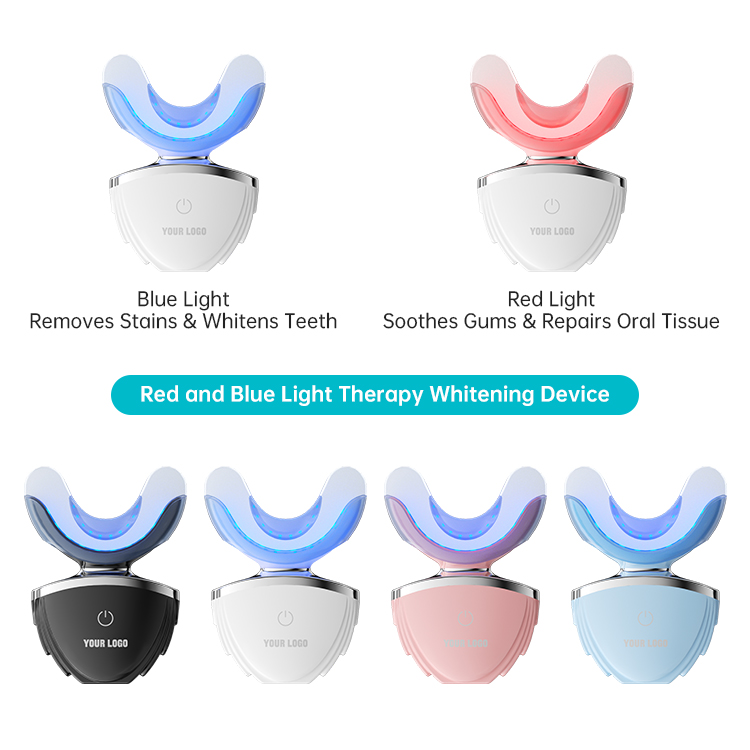
Modern consumers don’t just want whiter teeth—they want whitening that doesn’t hurt. Leading OEM factories now integrate gentle whitening technology, such as low-heat LED activation, PAP+ formulas, and sensitivity-reducing agents. These solutions reduce enamel stress and help brands offer products suitable even for users with sensitive teeth.
Use Remineralization Support in Every Formula
Calcium, hydroxyapatite, and fluoride additives help protect and rebuild enamel. OEM developers often combine these remineralizing ingredients with whitening formulas to create safe dental products that work without compromising long-term oral health.
Customize Delivery Formats That Reduce Sensitivity
From whitening strips and pens to foam toothpaste and overnight gels, the delivery method can dramatically influence user comfort. OEM specialists can design formats that limit irritation. such as thin, breathable strips or low-peroxide pens—helping your brand cater to diverse consumer preferences.
Focus on Safety Certifications and Clinical Testing
Today’s customers trust brands that can prove safety. Collaborating with experienced OEM factories allows you to access clinical-grade testing, third-party validation, and global compliance certifications. This ensures that your whitening line is scientifically verified as one of the least damaging teeth whitening options on the market.
Build a Whitening Portfolio Designed for Long-Term Oral Health
The most successful brands provide not just a product, but an ecosystem. OEM partners can help create a full product line—whitening toothpaste, LED kits, strips, pens, and aftercare serums—all formulated as safe dental products that support enamel integrity and sensitivity prevention over time.
Conclusion
Finding the least damaging way to whiten teeth requires a smart combination of safe ingredients, advanced technology, and expert manufacturing. Working with a qualified OEM partner allows oral-care brands to build innovative, gentle, and effective whitening solutions that meet modern consumer expectations. With the right OEM whitening solutions, you can deliver brighter smiles without compromising enamel health.
.jpg)
