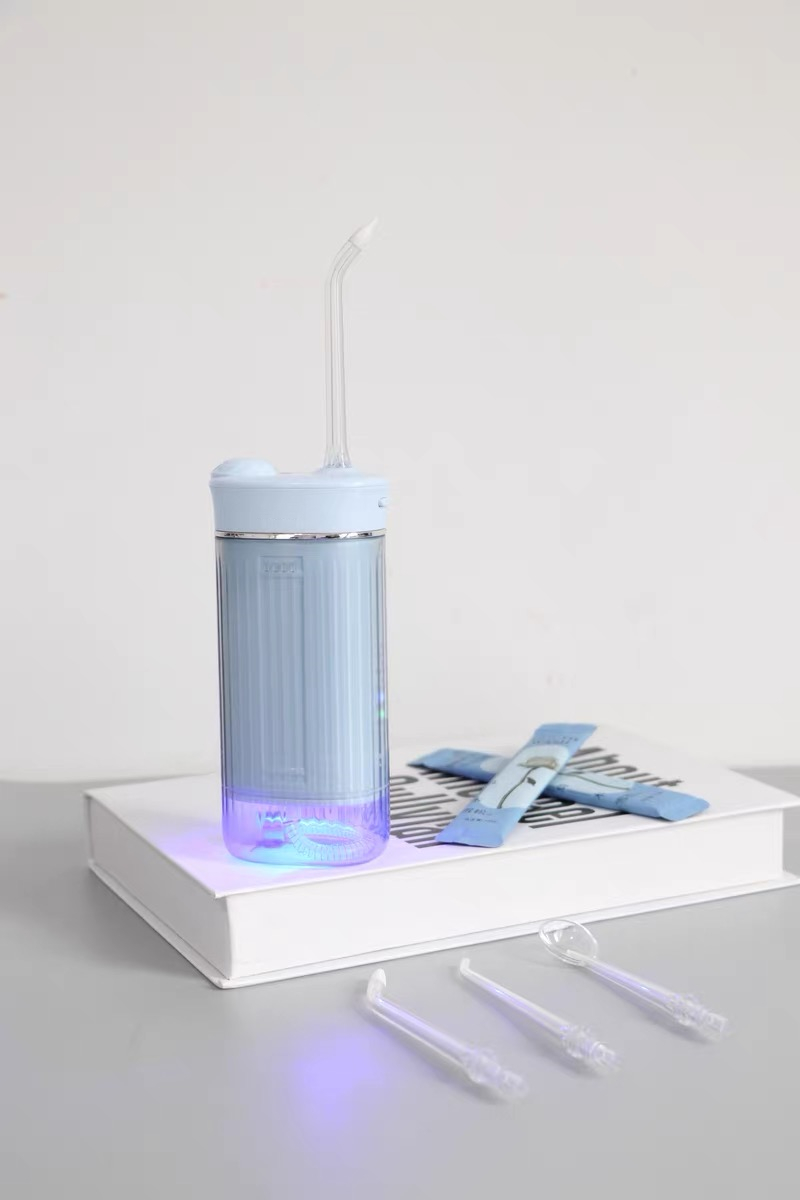
In today’s competitive oral care market, brands and manufacturers are constantly racing to innovate. Higher pressure, smarter sensors, and faster pulse rates have become selling points for the modern water flosser. But as the engineering arms race continues, few stop to ask an essential question: when does innovation cross the line into over-engineering? This is where water flosser risks begin to surface—especially when it comes to excessive pulse frequency. While more pulses per minute may sound impressive on paper, it can actually undermine both product safety and the user experience.
Pulse frequency determines how often the water jet pulses against the gums and between teeth. Ideally, it should strike a balance between efficiency and comfort. However, when frequencies climb beyond recommended thresholds, the water pressure may become erratic, causing gum irritation, enamel micro-damage, or unstable spray patterns.
This is a crucial moment for OEM engineering balance—the fine line where design ambition meets physiological safety. A responsible manufacturer understands that performance should never compromise the health of the user.
When a brand pushes for maximum specs without consulting experienced OEM partners, the result can be costly. Excessive pulse frequency can lead to motor overheating, pump instability, and faster wear on internal components. Over time, this increases product failure rates, return requests, and negative consumer reviews.
In short, technical over-engineering not only harms end-users—it damages the brand’s reputation. This is why choosing the right OEM factory with a strong understanding of engineering balance and product safety is essential for long-term success.
A skilled OEM partner doesn’t just build what the brand requests—they provide engineering insight. The best manufacturers run pulse frequency simulations, vibration tests, and long-term reliability analyses to identify safe operational limits. This approach ensures that a device performs efficiently without exceeding the physiological comfort zone.
Brands that prioritize collaboration in OEM engineering balance often discover that moderate specifications yield better long-term consumer trust than aggressive, untested designs.
In the oral care industry, product safety is more than a compliance checkbox—it’s a competitive advantage. Consumers today are educated and cautious. They expect that every aspect of their oral care tools, from motor performance to water pulse rhythm, has been thoughtfully tested and verified.
A well-balanced engineering approach not only prevents water flosser risks but also reinforces the brand’s credibility. Safe, stable, and effective designs inspire user confidence and brand loyalty.
The next generation of water flossers doesn’t need to be faster—it needs to be smarter. Brands that understand the consequences of excessive pulse frequency and work closely with their OEM partners to find the right engineering balance will ultimately lead the market.
Over-engineering might seem like progress, but in oral care, true innovation is about harmony—between performance, safety, and comfort.
.jpg)
Custom Logo Whitening Kit Manufacturer
IPX8 Waterproof Electric Toothbrush Supplier | Durable Sonic Brush Solutions
.jpg)
How Does Water Flosser Cordless Design Impact Battery Life Optimization?
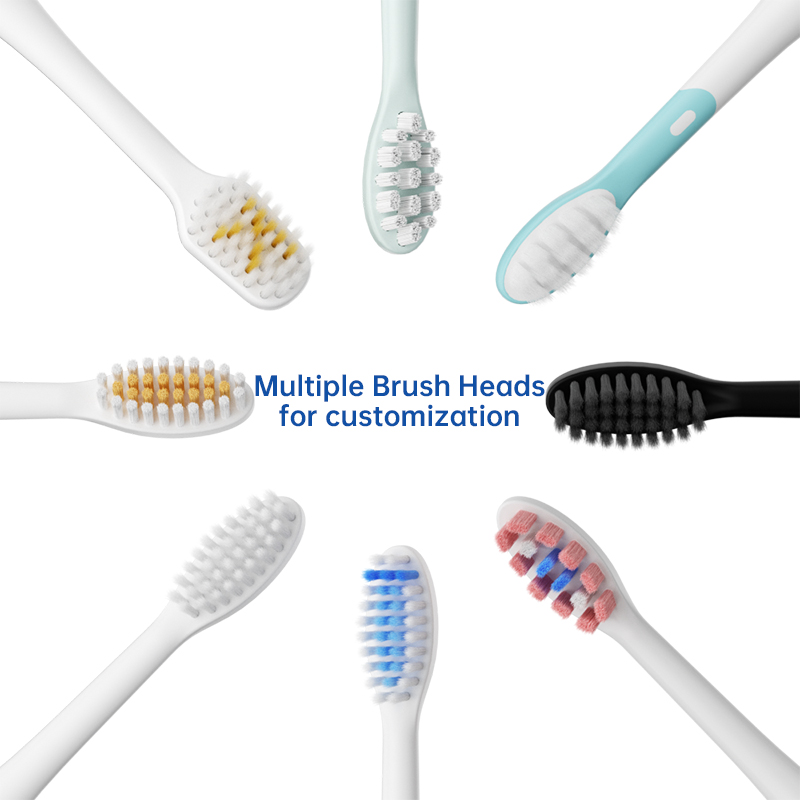
How Could Electric Toothbrush Brands Stand Out Through Bristle Quality?
Why Source from a Teeth Whitening Accessories Supplier Using Cosmetic Grade Whitening Gel?
Portable LED Teeth Whitening Device Supplier
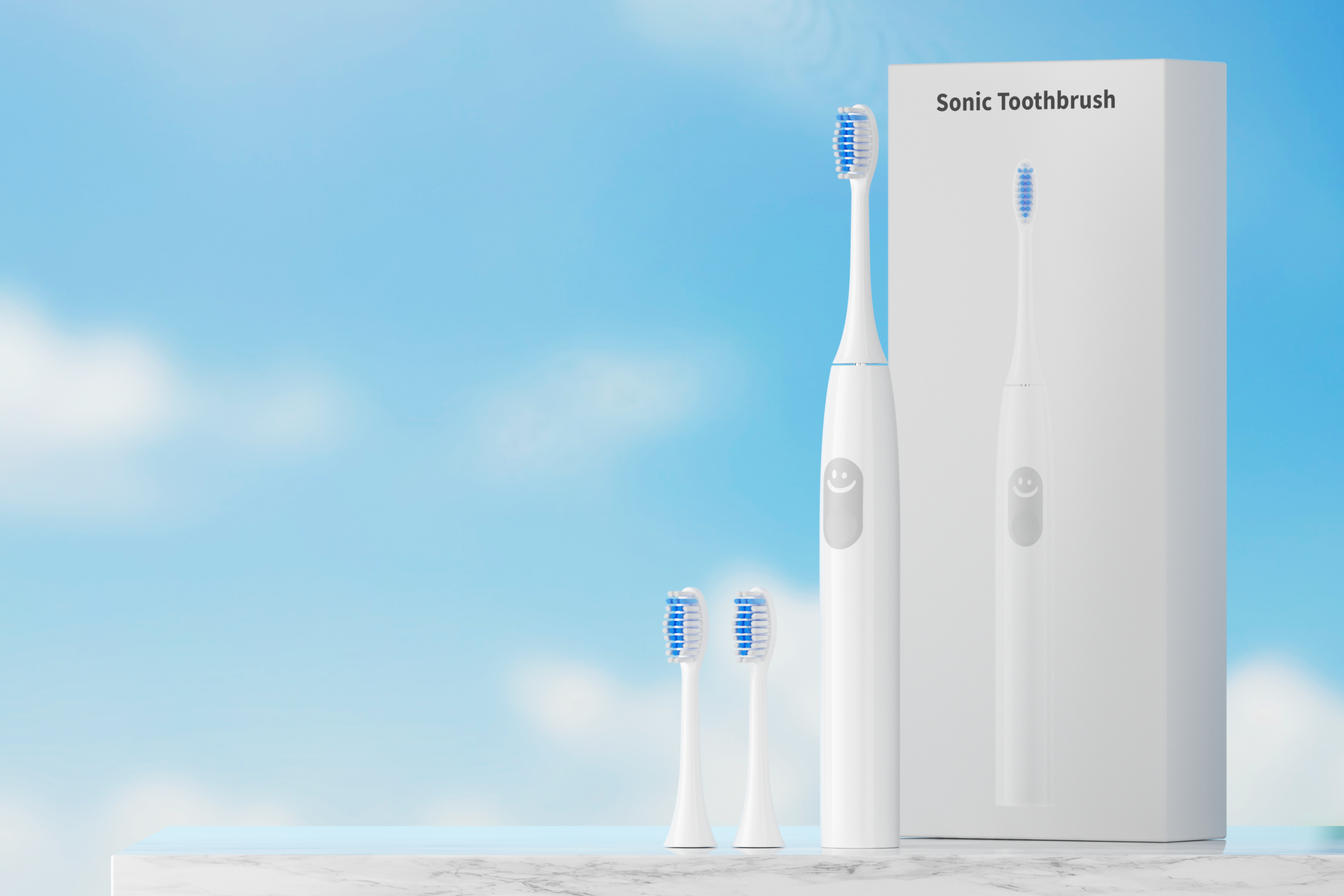
Is the Dallas toothbrush sale in-store only? Find Dallas store toothbrush stock!
LA Affordable Toothbrush – Budget-Friendly Oral Care
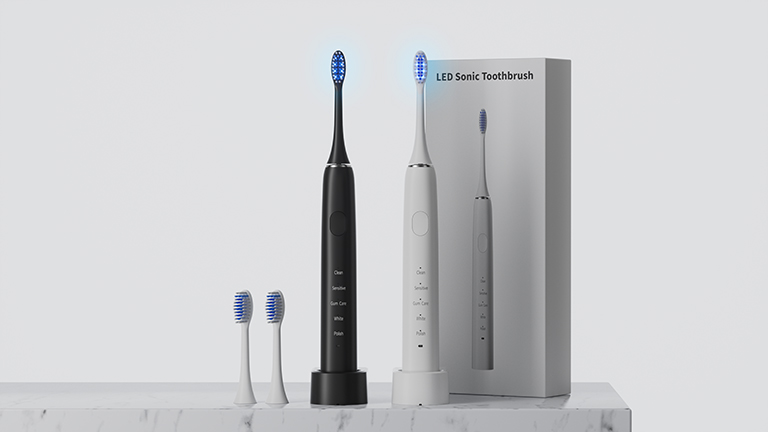
How Long Does It Typically Take to See Results in Teeth Whitening When Using Electrical Oral Care Products?
What Really Happens If You Use a Moldy Toothbrush? Health Risks & OEM Solutions
Electric Toothbrush with Magnetic Charger OEM
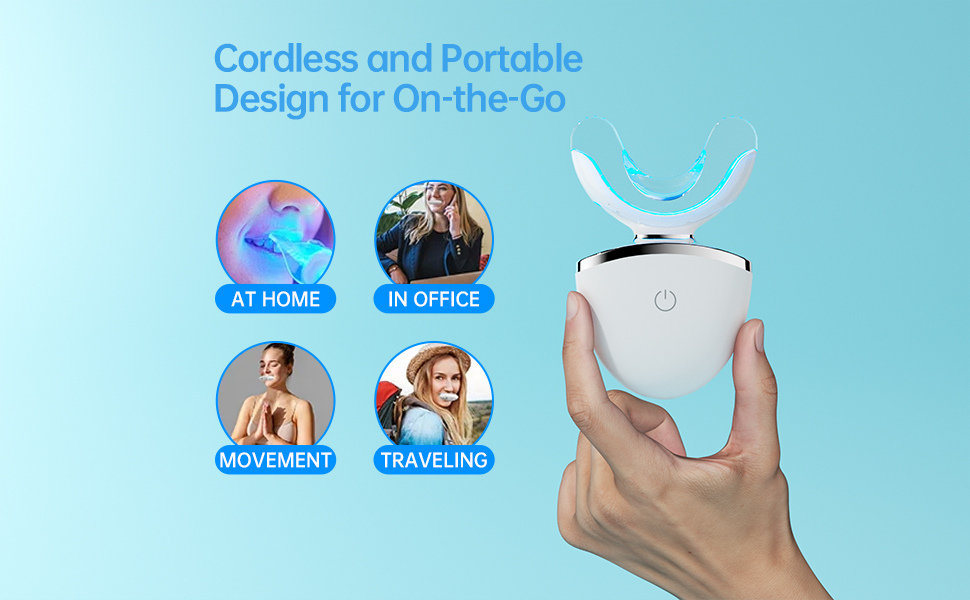
How Does Whitening Kit Packaging Design Boost Appeal for Private Label Whitening Kit Brands?
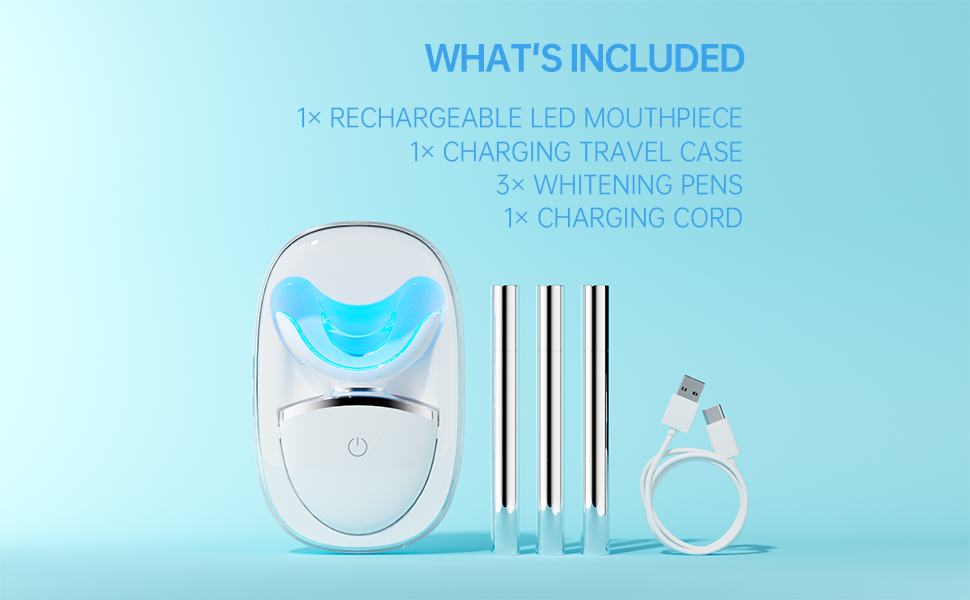
Balancing Efficacy & Safety: Hydrogen Peroxide Whitening Timelines for OEM Products
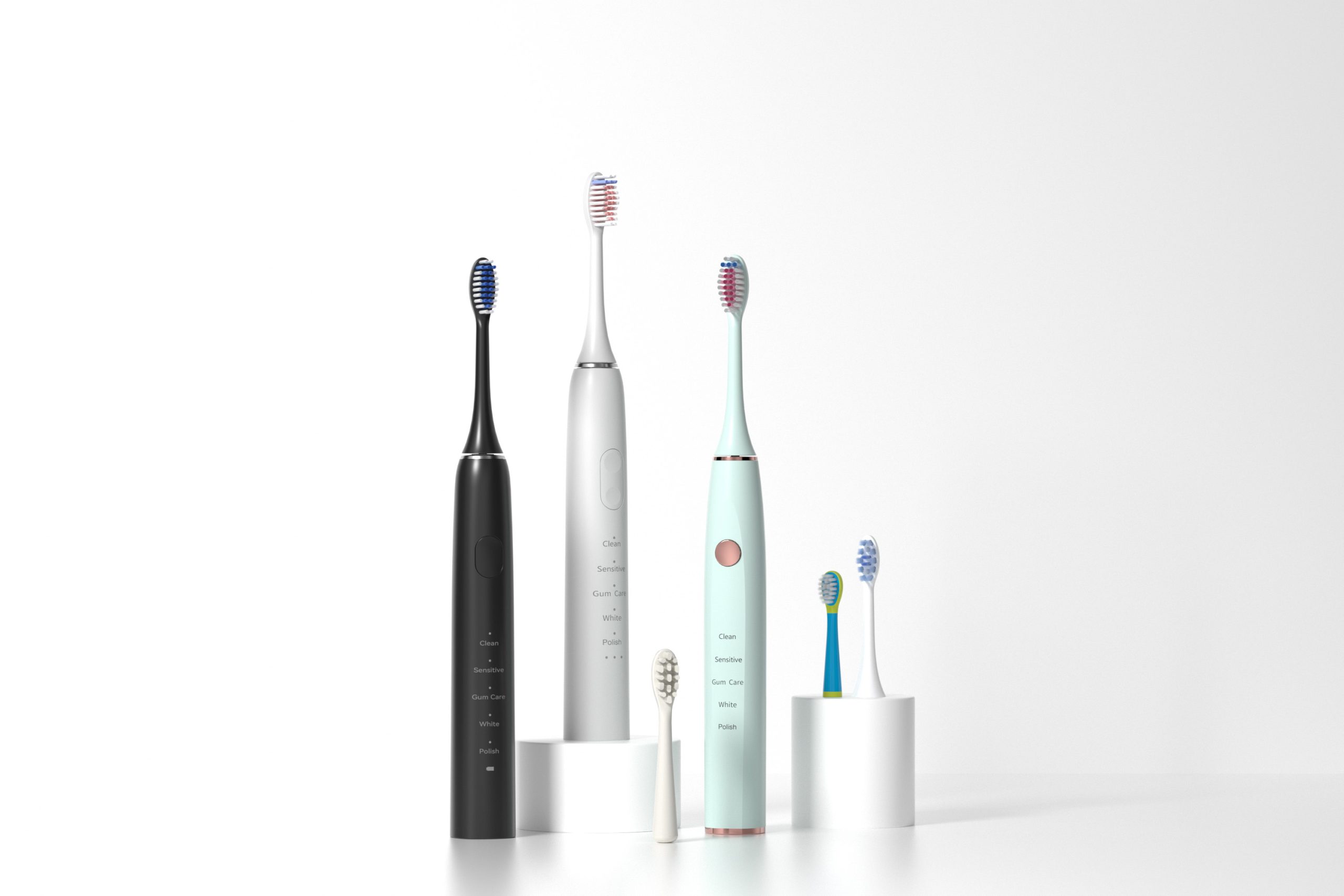
LA Cosmetic Dental Preferred Electric Toothbrush Manufacturers
5 Signs You Need to Replace Your Electric Toothbrush: Insights from an OEM Factory
.jpg)
Fort Worth deals on Texas replacement heads — how to claim?


.jpg)
.jpg)
.jpg)
.jpg)
.jpg)