Water flossers have become a staple in modern oral care routines, offering a convenient and effective way to remove plaque and debris between teeth. Yet, as their popularity grows, so does a common concern among consumers — can a water flosser make your gums recede? This question touches not only on gum safety but also on the underlying oral health science that drives product design and performance.
As an OEM manufacturer, we’ve spent years studying how water flossing technology interacts with soft tissues. Here’s what we’ve learned.
At the core of every water flosser lies a precise balance between water pressure, pulsation, and flow control. These elements are grounded in oral health science, which focuses on cleaning efficiency without harming delicate gum tissues.
A properly designed water flosser directs a controlled jet of water to dislodge plaque and food particles without cutting or irritating the gums. However, when misused — such as using extremely high pressure or incorrect angles — it can cause minor discomfort, potentially leading users to fear that water flosser gums recede effects are possible. The truth, however, lies in design precision and usage habits.
Scientific studies consistently show that water flossers, when used correctly, support gum health rather than harm it. They improve circulation, reduce inflammation, and help prevent periodontal disease — key factors in gum safety.
That said, improper use (like aiming the jet directly under the gumline or using excessive pressure) can irritate tissues. This isn’t a design flaw but rather a user error. Modern devices developed by experienced OEM partners include pressure control systems and adaptive nozzles to ensure gentle yet thorough cleaning.
From an OEM manufacturer insight perspective, our focus is always on developing products that balance effectiveness and safety. Our R&D teams collaborate closely with dental experts to fine-tune parameters such as:
Optimal water pressure range for gum health
Ergonomic nozzle designs to prevent over-targeting sensitive areas
Smart sensors that regulate pulsation frequency based on feedback
These innovations stem from years of testing and validation rooted in oral health science. For brands looking to partner with a reliable manufacturing source, selecting an OEM that prioritizes user safety and clinical validation is essential.
For consumers and dental professionals alike, here are key tips to ensure gum safety and prevent any risk of recession:
Always start with the lowest pressure setting, gradually increasing as comfort allows.
Direct the stream at a 90-degree angle to the tooth surface, not under the gumline.
Use warm water and clean nozzles regularly to prevent bacterial buildup.
Consult with your dentist before use if you have gum sensitivity or recent dental surgery.
So, can a water flosser make your gums recede? The short answer is — only if misused. With proper design, guidance, and consistent education, water flossers remain one of the safest and most effective tools for improving gum health.
For oral care brands seeking to expand their product lines, working with an OEM manufacturer that understands the delicate relationship between technology and oral health science is the key to creating products that not only clean effectively but also protect what matters most — healthy gums.

Voice-Activated and AI-Driven Toothbrushes – The Next OEM Frontier
.jpg)
Sustainable Electric Toothbrush Wholesale
Sonic Toothbrush Excellence: How OEM Advantages Create Your Competitive Edge
Mother’s Day Dental Care Gift Packages WA | Wholesale Supply
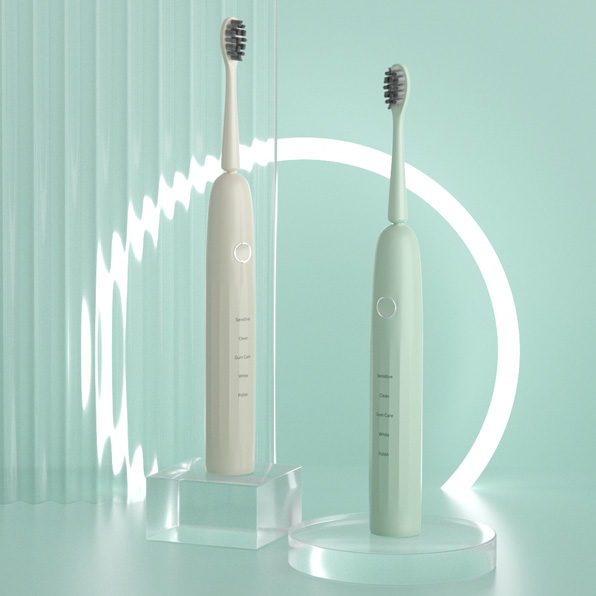
Cost-Benefit Analysis: Private Label vs. Full Custom OEM Electric Toothbrushes
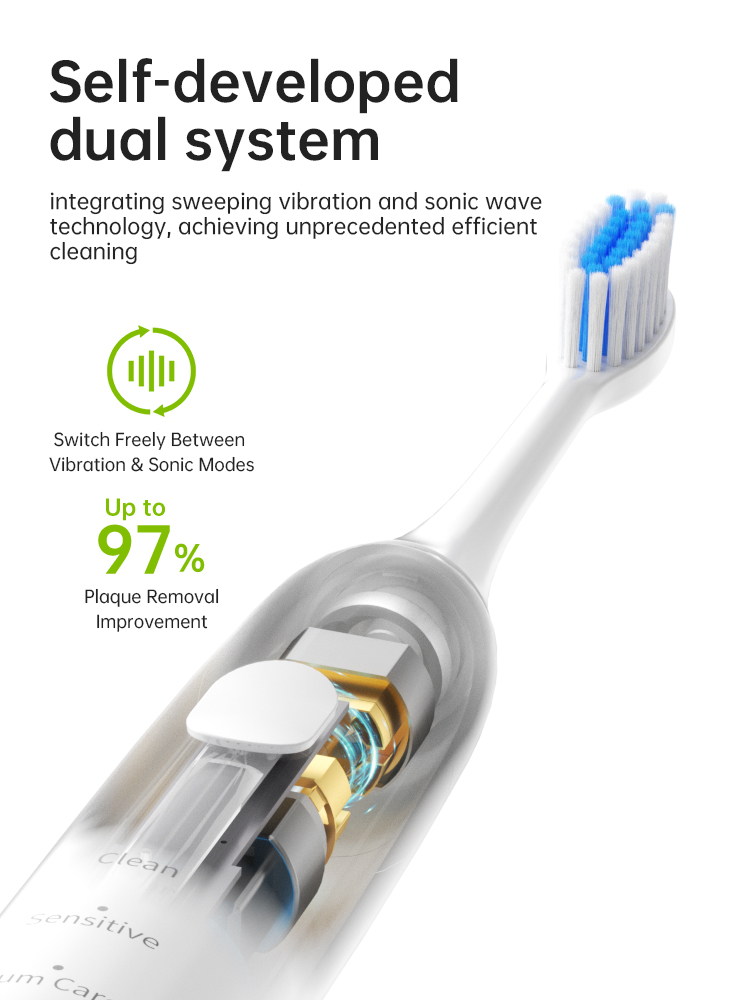
Horizontal vs Vertical Brushing: How Smart Toothbrush Design Guides Proper Technique
.jpg)
How Do I Dispose of My Electric Toothbrush Battery? An OEM Compliance Guide
Can an ISO13485 Electric Toothbrush Meet Quality Standards from a Waterproof Electric Toothbrush Factory?
Toothbrush Head Replacement Bulk Supplier
.jpg)
Confused by dental insurance? Which coverage plans include implants?
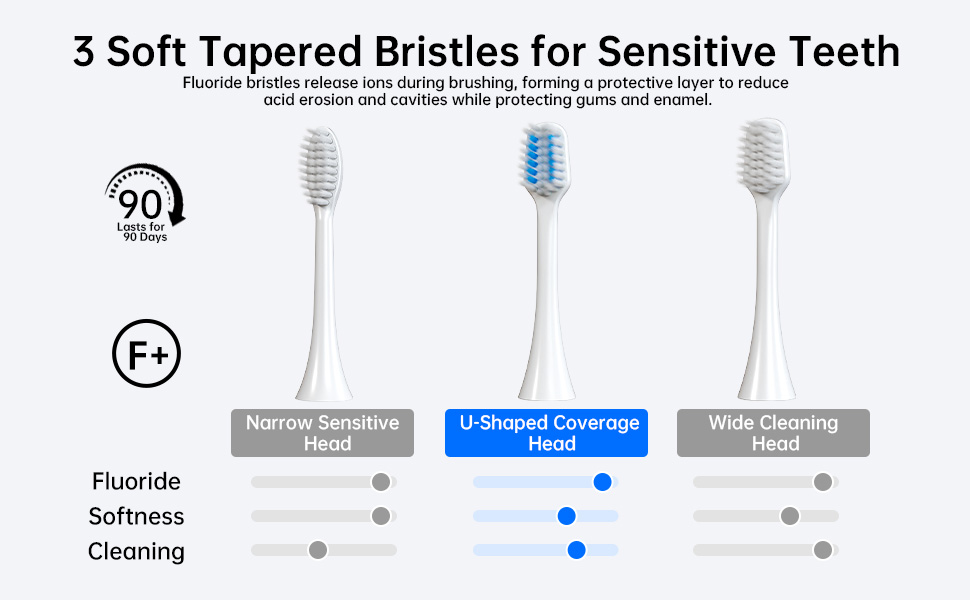
What is the Leonard Method of Brushing Teeth? An OEM Manufacturer’s Guide
.jpg)
How does dental technology like AI diagnostics improve accuracy
Rechargeable Sonic Toothbrush for Dental Clinics
Electric Toothbrush for Dental Kit Programs
.jpg)
Why Combine Custom Logo Electric Toothbrush Services with Toothbrush Head Replacement OEM for Recurring Revenue?
Multi-Mode Sonic Toothbrush for OEM Buyers | Advanced Cleaning Modes & Customizable Designs


.jpg)
.jpg)
.jpg)
.jpg)
.jpg)