In the competitive oral care market, even the most innovative product can lose customers if it faces charging issues. When a water flosser charging issue occurs — whether it’s a unit that won’t charge, loses power too quickly, or overheats — consumers quickly associate it with poor quality. For brands and OEM partners, understanding how manufacturers address Troubleshooting Power Problems is crucial. A reliable power system not only enhances user experience but also strengthens brand trust and product longevity.
Common Causes of Water Flosser Charging Issues
Before diving into solutions, it’s important to identify what typically goes wrong. From a manufacturer’s perspective, the most common causes include:
Connector fatigue – Frequent plugging and unplugging can wear out the charging port.
Low-grade lithium batteries – Inferior cells often result in inconsistent power delivery.
PCB design flaws – Poorly designed circuits can lead to overheating or current leakage.
Waterproofing failures – Improper sealing can allow moisture to damage internal components.
Manufacturers who understand these challenges early in the design phase can prevent costly warranty returns later.
Power Problems Troubleshooting: A Manufacturer’s Step-by-Step Guide
To ensure every unit meets high-performance standards, a structured power problems troubleshooting process should be followed during both R&D and mass production:
Input Voltage Verification – Confirm that the adapter and charging base deliver consistent voltage.
Battery Health Assessment – Use diagnostic software to check battery charge cycles and efficiency.
PCB Current Test – Simulate load conditions to detect short circuits or unstable power flows.
Charging Indicator Inspection – Test LED response for correct power feedback.
Environmental Stress Testing – Evaluate charging stability under varying temperatures and humidity levels.
With systematic troubleshooting, manufacturers can isolate potential issues before they reach consumers.
OEM Quality Assurance: Building Confidence Through Testing
A trustworthy OEM quality assurance program is the backbone of any successful oral care product brand. Leading factories implement multi-stage inspections — from raw material sourcing to finished product testing — to guarantee that every water flosser performs consistently.
Key OEM quality assurance practices include:
Incoming Material Inspection (IQC) for battery cells and charging pins.
In-line Function Testing (IPQC) to monitor power stability during assembly.
Final Quality Control (FQC) using random batch tests on charging performance and durability.
These steps ensure long-term reliability and significantly reduce customer complaints.
Manufacturer Guidance: How to Choose the Right Partner
For oral care brands seeking a production partner, manufacturer guidance plays a critical role. A capable water flosser manufacturer should provide:
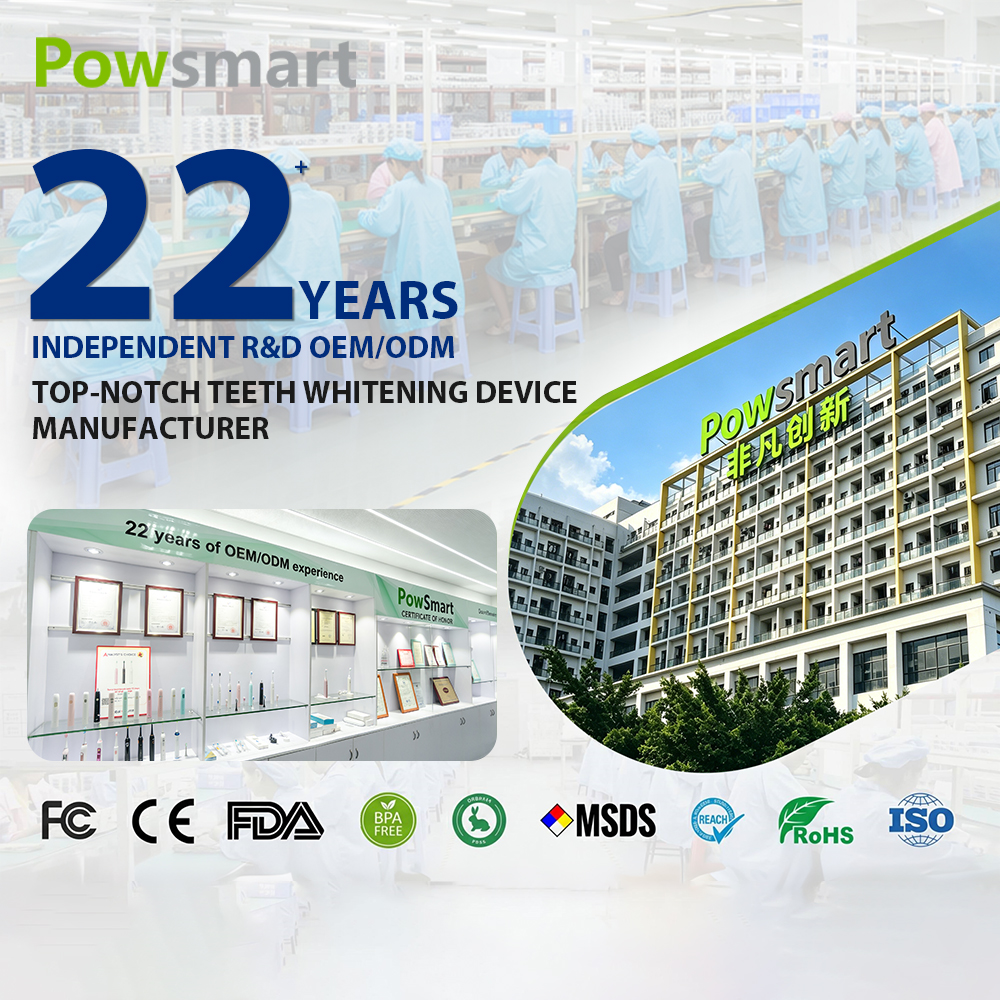
Transparent testing reports and compliance certifications (CE, RoHS, FDA).
In-house R&D for charger circuit optimization.
Flexible OEM/ODM support to customize charging bases, batteries, and PCBs.
Clear communication channels for technical feedback and continuous improvement.
Working with an experienced manufacturer helps transform charging issues into engineering opportunities — turning potential weaknesses into a competitive edge.
Conclusion: Power Confidence Begins at the Factory
Reliable charging performance doesn’t happen by chance — it’s engineered through expertise, testing, and partnership.
When brands collaborate with manufacturers who prioritize power problems troubleshooting and uphold OEM quality assurance, they ensure that every product delivered to market reflects dependability and innovation. By following the right manufacturer guidance, your next-generation water flosser can charge efficiently, perform flawlessly, and build lasting customer trust.
.jpg)
