Material degradation in oral care devices, such as electric toothbrushes and water flossers, is an often-overlooked issue. Yet, it can quietly lead to the release of harmful chemical residue into the user’s mouth, raising significant health concerns. For B2B manufacturers, this is not just a matter of consumer trust but also a critical compliance and product lifecycle issue. This blog will dissect the causes, risks, and prevention strategies related to material breakdown and chemical contamination in oral hygiene devices.
What Is Material Degradation in Oral Devices?
Material degradation refers to the physical or chemical breakdown of components over time due to factors like:
- Repeated exposure to moisture, heat, and friction
- Reaction with active ingredients in whitening gels or toothpaste
- Poor-quality plastics or elastomers that are not food-grade compliant
As the material degrades, microscopic particles or chemical residue may leach from brush heads, water tanks, seals, or internal tubing—especially in low-cost devices or poorly stored stock.
How Chemical Residue Poses Safety Risks
When chemical residue enters the mouth, it may:
- Cause allergic reactions or mucosal irritation
- Alter oral pH and contribute to enamel erosion
- Be ingested, leading to potential systemic toxicity
- Affect taste or lead to bad odor, impacting user experience
For children and users with oral ulcers or compromised immunity, the consequences may be more severe, requiring clinical attention. Company web: https://www.powsmart.com/product/electric-toothbrush/
What Accelerates Material Degradation?
The following design and manufacturing oversights can significantly speed up material degradation:
- Use of non-medical grade polymers
- Lack of UV resistance in transparent tanks or nozzles
- Incompatibility between chemical gels and container lining
- Overheating during use or recharging cycles
In addition, devices stored long-term in high-humidity environments, such as warehouse stock without climate control, are highly vulnerable.
Key Signs That Signal Early Degradation
Manufacturers and distributors should monitor for these early indicators:
- Discoloration or brittleness in plastic components
- A sticky or powdery residue inside tanks or on brush heads
- Complaints of strange taste or burning sensation from end users
- Increased product returns within 3–6 months of launch
These signs often precede more severe health-related reports, making proactive detection vital.
Solutions: How B2B Manufacturers Can Prevent the Risk
To reduce the risk of chemical residue caused by material degradation, consider the following:
- Adopt biocompatible, FDA-grade polymers and elastomers
- Use dual-layer sealing in areas exposed to gels or saliva
- Conduct accelerated aging tests with chemical exposure cycles
- Implement stricter supplier quality audits and traceability systems
- Improve ventilation and heat dissipation around motors and batteries
These enhancements not only protect end users but also reduce warranty claims and ensure smoother regulatory approvals.
Regulatory Implications & Market Reputation
Regulatory bodies such as the FDA, CE, and China’s NMPA are paying increasing attention to chemical safety in consumer products. Failing to manage material degradation risks may lead to:
- Mandatory recalls due to contamination or allergic reactions
- Loss of certification or blocked market entry
- Negative media exposure and brand damage
- Distributors seeking liability protection through stricter contracts
Thus, investing in safe materials isn’t just ethical—it’s a strategic safeguard.
Conclusion
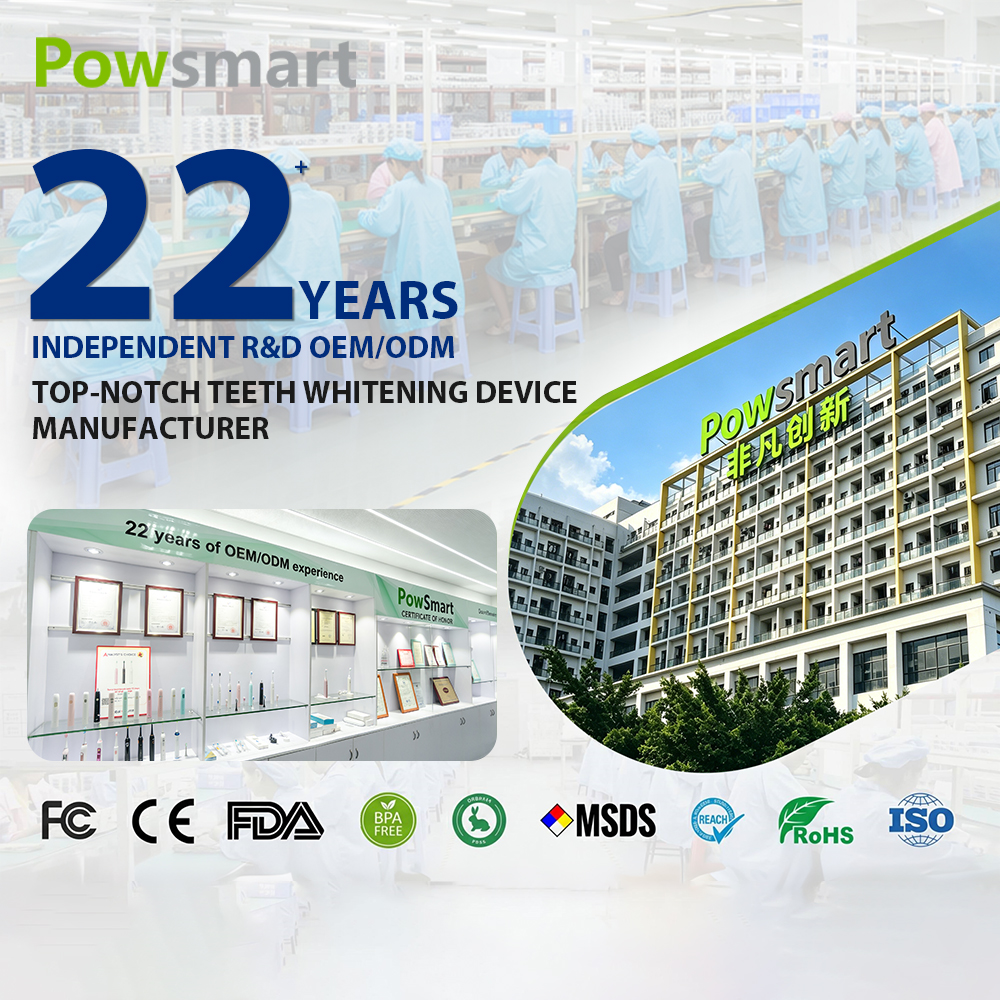
Material degradation and the resulting chemical residue are silent threats that can compromise both product safety and business credibility. For B2B oral care device manufacturers, early attention to material selection, chemical compatibility, and quality control processes is essential. At our manufacturing facility, we integrate advanced testing and certified materials to ensure every product delivered is safe, durable, and regulation-ready. Contact us
.jpg)
