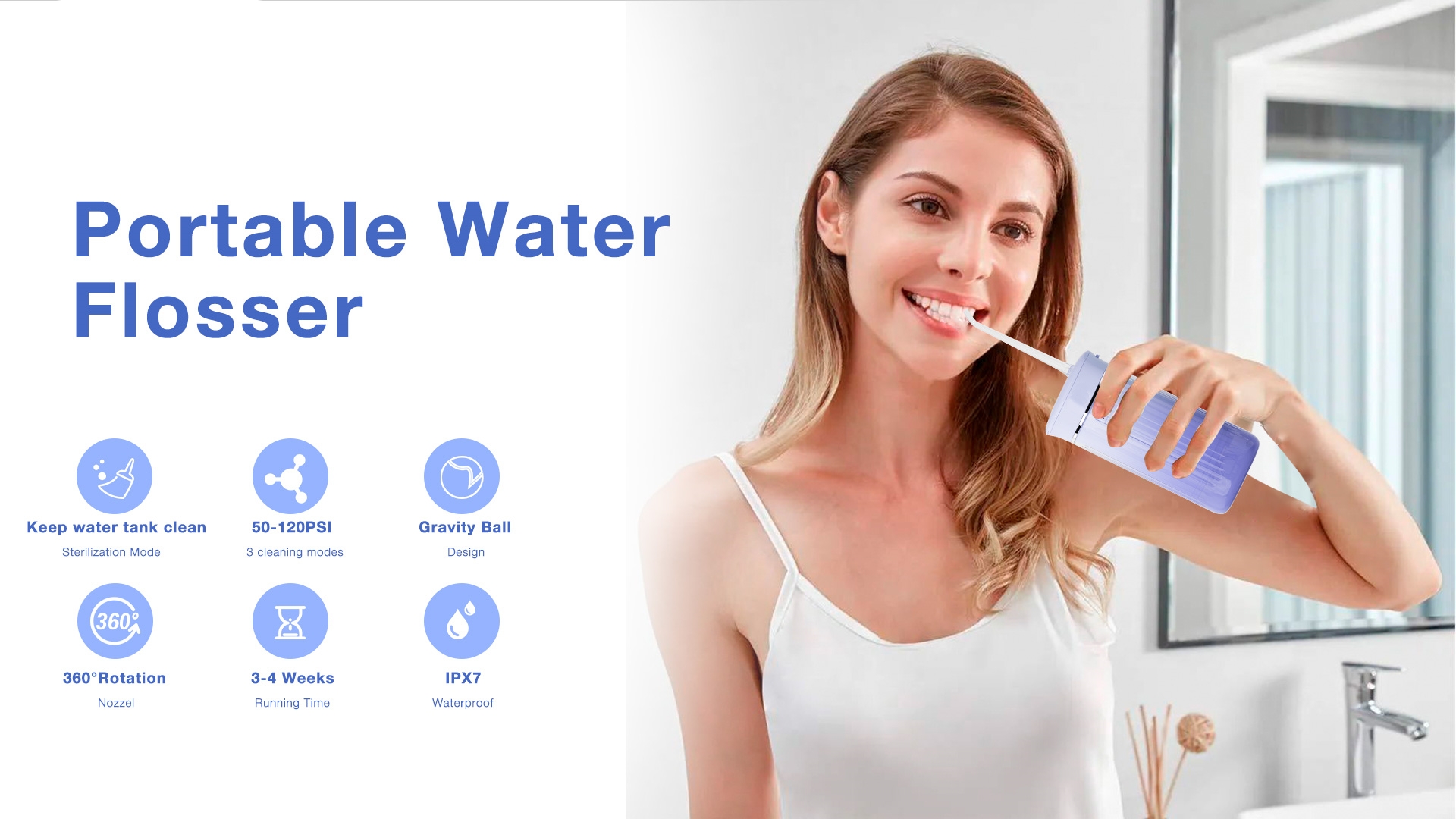
In recent quality audits, water dispersion irregularities and jet scattering anomalies have become a recurring concern in oral irrigator systems. While consumers may initially tolerate these issues, the long-term impact on cleaning effectiveness, component durability, and user satisfaction cannot be ignored. Are these symptoms merely surface-level flaws, or do they signal deeper design or manufacturing challenges?
Water dispersion refers to the uncontrolled or non-uniform spreading of the water stream once it exits the nozzle. In precision-based devices such as dental irrigators, consistent flow is critical. When dispersion occurs, the water loses its directional focus, resulting in reduced impact pressure and ineffective debris removal.
Jet scattering typically accompanies water dispersion, manifesting as unpredictable or divergent spray paths. This may stem from several factors:
Such deviations can severely compromise a product’s perceived quality, especially in B2B scenarios involving dental professionals or healthcare retailers. Company web: https://www.powsmart.com/product/electric-toothbrush/
In many OEM/ODM designs, aesthetic nozzle shaping or overly compact dimensions may unintentionally increase the risk of jet scattering. It’s crucial to balance form with function—ensuring nozzle geometry is both ergonomic and fluid-optimized.
Even minor inconsistencies in injection molding or ultrasonic welding at the nozzle-head junction can create internal variances that alter flow dynamics. Tightening assembly tolerances and adopting in-line flow calibration during QC stages can significantly reduce jet scattering incidents.
While design and manufacturing account for a significant portion of these malfunctions, end-user cleaning and maintenance also play a role. Lack of descaling or improper storage can exacerbate water dispersion over time. B2B customers should consider including maintenance accessories or educational inserts as part of OEM packages.
So, is the combination of water dispersion and jet scattering fixable? Yes—but only with a systemic approach. Improvements across nozzle engineering, fluid channeling design, and QC protocols are essential. At the same time, clear communication to users on care practices helps maintain optimal performance throughout the product lifecycle.
Conclusion
Water dispersion and jet scattering are not just cosmetic issues—they signal potential gaps in design validation, fluid simulation, and process control. With proper corrective action, B2B manufacturers can not only eliminate these flaws but also elevate brand reliability in a highly competitive market. Contact us
.jpg)
.jpg)
Texas Tax-Free Weekend Electric Toothbrush Wholesale Guide 2025
Need an Electric Toothbrush Pressure Sensor Supplier for Electric Toothbrush for Sensitive Gums Bulk?

Can a Whitening Device Manufacturer Develop an Integrated At-Home Whitening System?
Building an Electric Toothbrush Private Brand and Water Flosser Private Label USA?
.jpg)
Red Light Electric Toothbrush OEM
Teeth Whitening Device Production Process
How Does Colorimeter Calibration Ensure Accurate Opalescence Enhancement in Whitening Products?
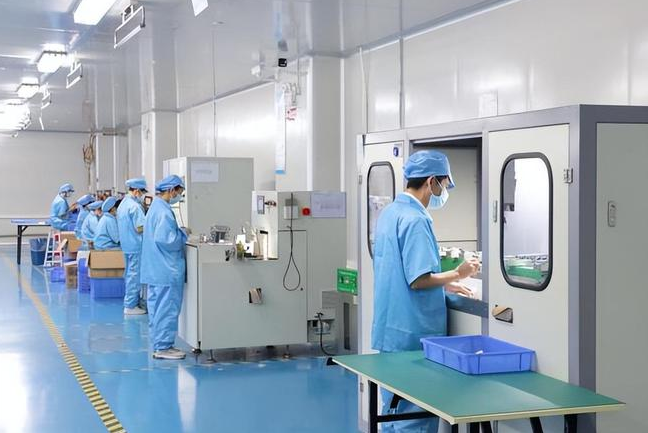
Key Selling Points That Make Water Flossers Stand Out
Pulp Irritation Plus Allergic Reactions – Emergency?
Advantages and Disadvantages of Electric Toothbrushes
Button Unresponsive with Flow Inconsistency – Fix?
Kids Electric Toothbrush Bulk Supplier | School and Clinic Programs
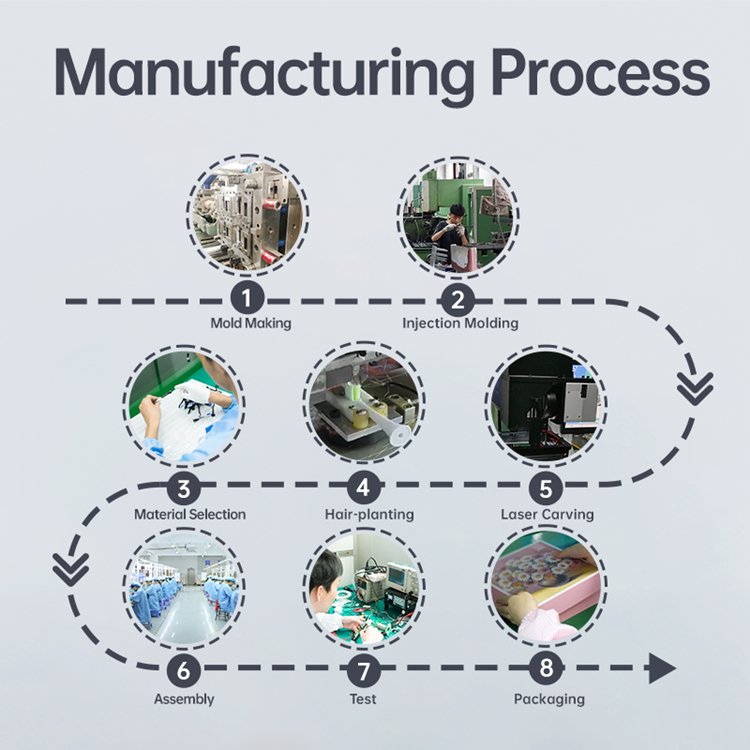
Choosing Electric Toothbrush Handle Processes: An OEM Guide to Cost vs. Quality
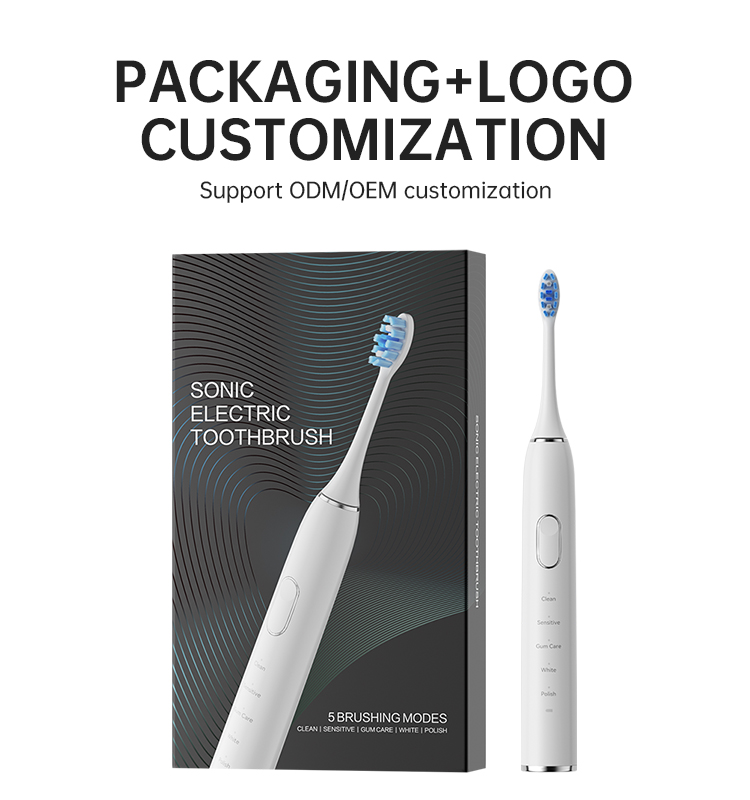
Does Your Sonic Vibration Core Require a Specialized PCB Assembly Service for Reliable Performance?
.jpg)
Los Angeles sonic toothbrush wholesale distributor
India corporate gift or Wedding gift toothbrush— which suits Diwali best for B2B programs?


.jpg)
.jpg)
.jpg)
.jpg)
.jpg)