The choice between a sonic vs oscillating electric toothbrush affects product design, customer experience, replacement heads, pricing, and brand positioning. Neither technology is automatically right for every market. Buyers should compare the complete product system and the needs of their target users.
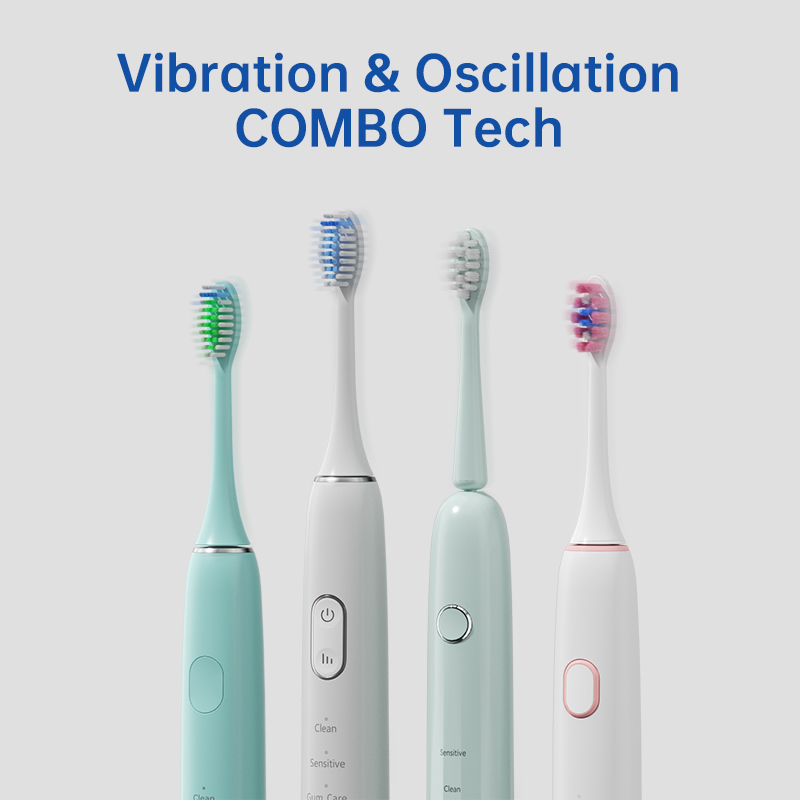
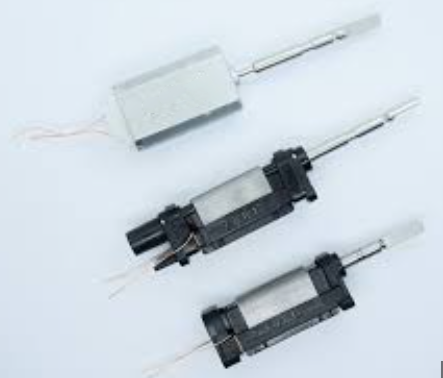
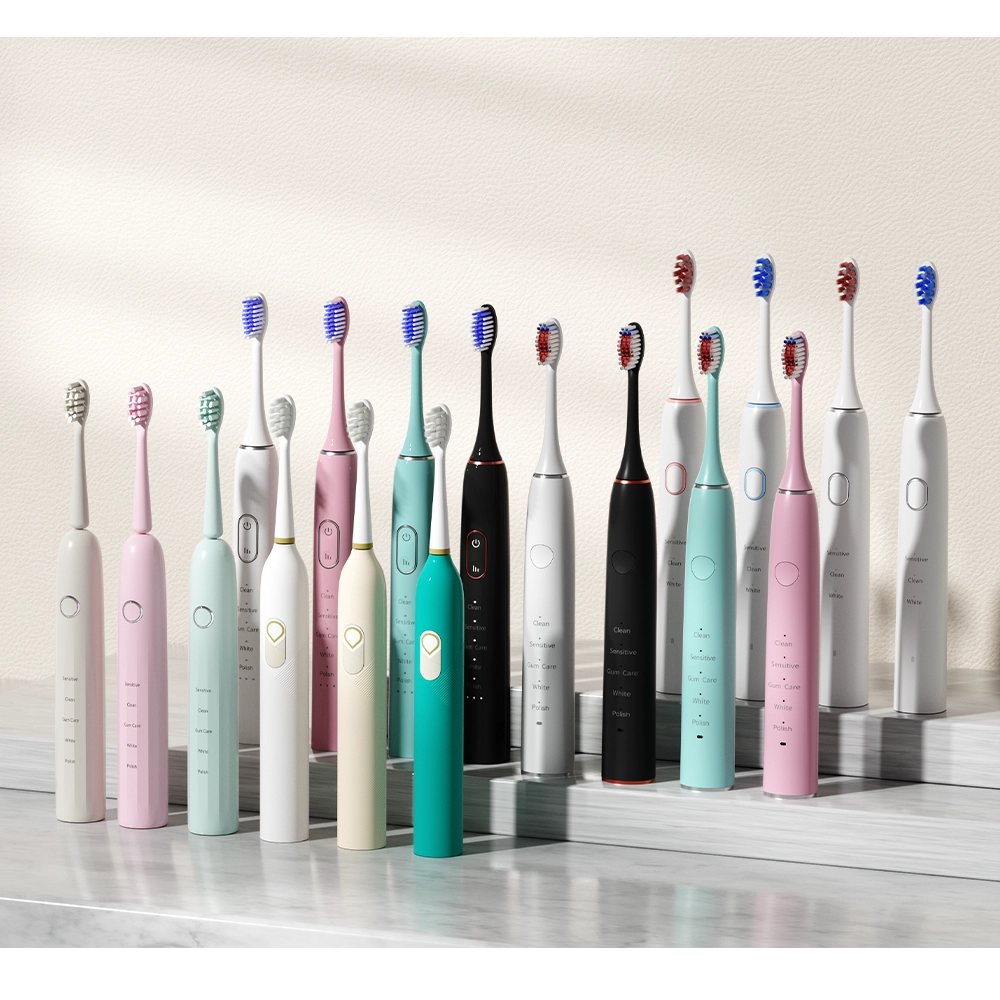
Sonic toothbrushes use a high-frequency side-to-side or sweeping movement. They usually have an elongated brush head that feels familiar to manual-toothbrush users. The design can support multiple modes, timers, pressure-related features, and different brush-head options.
From a commercial perspective, sonic products offer wide styling flexibility and can cover entry, mid-range, professional, and premium positions. The actual experience depends on motor control, vibration transfer, brush-head design, and bristle quality rather than frequency alone.
Oscillating-rotating toothbrushes typically use a small round head that moves back and forth around each tooth. The format has strong consumer recognition in many markets and encourages tooth-by-tooth cleaning.
The mechanism, gearing, noise, brush-head connection, and intellectual-property environment require careful evaluation. Buyers should confirm that the proposed product design can be sold legally in the intended market.
Sonic handles often feel closer to a conventional toothbrush and may be easier for new electric-toothbrush users to understand. Oscillating heads offer a distinct tooth-by-tooth technique. Some users prefer the stronger mechanical sensation of one system, while others prioritize gentle output and a familiar head shape.
For sensitive-gum positioning, the complete system matters: mode calibration, bristle diameter, filament end rounding, head size, pressure, and user instructions all influence comfort.
Replacement heads are central to the business model. Evaluate head cost, retail price, compatibility, differentiation, patent exposure, packaging size, and long-term supply. A handle with attractive pricing can still struggle if replacement heads are too expensive or difficult to find.
Sonic platforms often allow several elongated head designs, including sensitive, deep-cleaning, orthodontic, or dual-bristle options. The available range depends on the manufacturer’s platform.
Cost depends on motor, mechanism, battery, charging system, waterproof structure, materials, electronics, brush heads, accessories, packaging, and order volume. Technology type alone does not determine the final quotation.
Ask suppliers for an itemized configuration and test samples at comparable price levels. Comparing a premium sonic model with an entry-level oscillating model will not produce a useful conclusion.
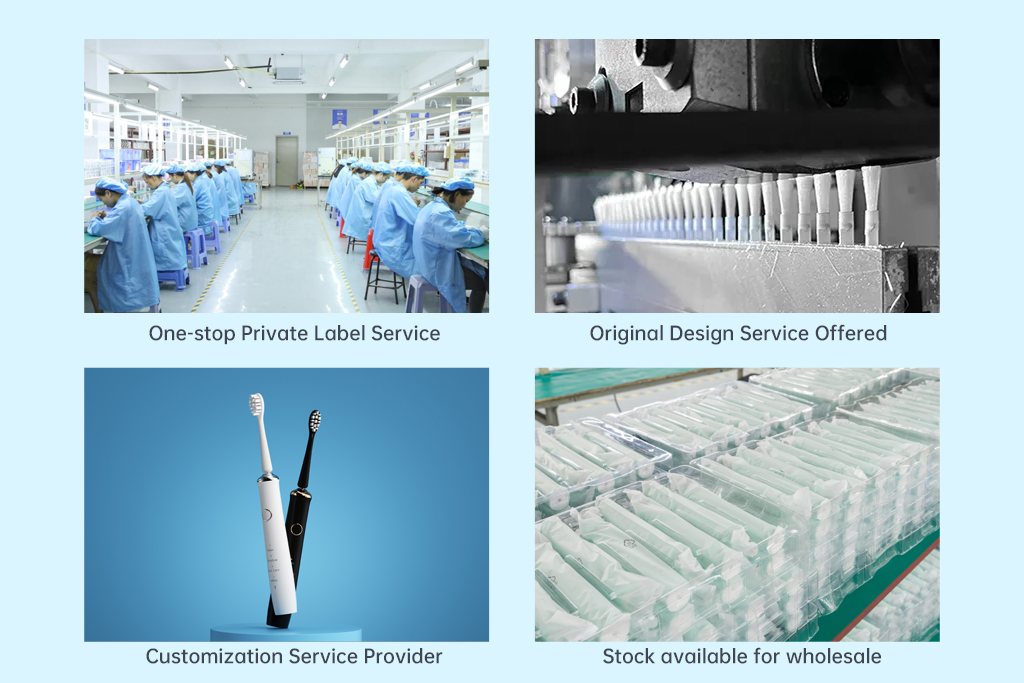
Sonic toothbrushes are common among DTC brands, lifestyle brands, dental-care companies, pharmacies, and consumer-electronics sellers. Their appearance and feature flexibility make them suitable for private-label ranges. Oscillating designs can benefit from established consumer familiarity but may face more direct comparison with dominant brands.
Check which technology customers already search for, how replacement heads are distributed, and what claims competitors use. The best choice should fit both the customer and the channel.
PowSmart focuses primarily on sonic electric toothbrush and oral-care development. Buyers can compare existing platforms, brush-head options, customization levels, and target price ranges before selecting a product for sampling.
Why Is Whitening Kit Compliance Critical When Choosing a Cosmetic Device Manufacturer?
.jpg)
Depression Oral Care Tips | Low-Effort Routine
Electric Toothbrush Quality Inspection Checklist
.jpg)
How can a Water Flosser provide a more thorough and Dental Plaque Remover?
Sonic Toothbrush OEM China – Professional Manufacturing for Global Brands
Do Vibration Weakening and Circuit Short Increase Risks?
Why Test an Epigenetic Response Formulation in Low-Earth Orbit Testing Conditions?
Private Label Dental Products China | OEM & Wholesale
Water Flosser for Canker Core
How Does Electric Toothbrush Recycling Work in Seattle?

Can a Conversational RFP Responder Integrate Data from an Autonomous Patent Landscape Analyst?
.jpg)
How Does a Linear Resonant Actuator Enhance the Precision of a Brush Head Attachment Mechanism?
Is Small Batch Customization Feasible? The Minimum Order Quantity and Cost Control of Electric Toothbrush Labeling
How Does an LED Whitening Lamp Activate a Specialized Whitening Gel Formulation for Fast Results?
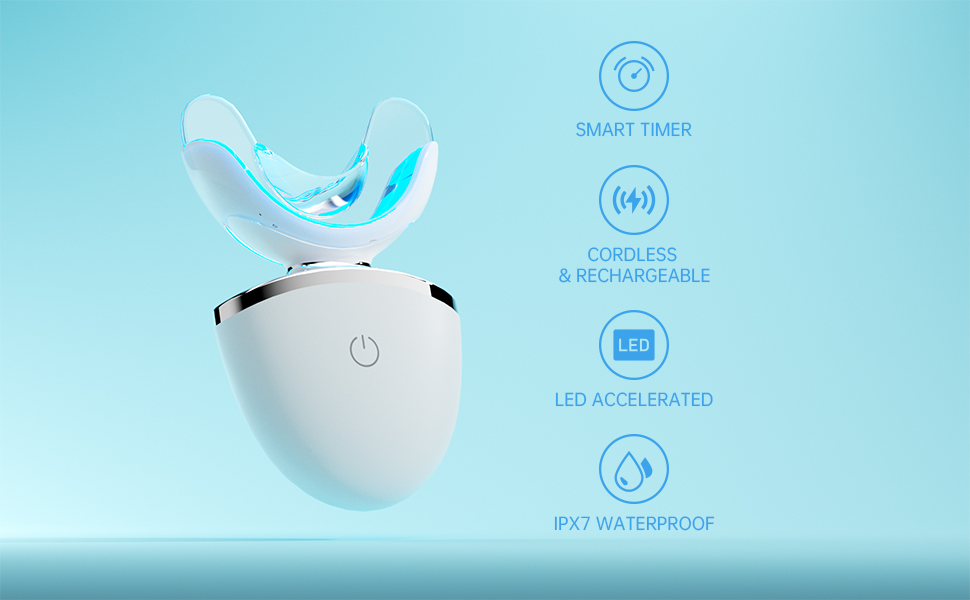
Why pair a Smart Timer Chip with Surface Reflectance measurement in whitening kits?
How Can You Turn Your Users into Loyal Users of Your Oral Care Brand?


.jpg)
.jpg)
.jpg)
.jpg)
.jpg)