The use of Self-sterilizing Nanoparticles has gained significant attention in recent years, particularly in the fields of healthcare and personal care products. These nanoparticles offer the potential to continuously eliminate harmful bacteria and other pathogens, ensuring hygiene and safety. However, one crucial question arises: Are Self-sterilizing Nanoparticles effective without a Hermetic Sealing Process to contain them? In this blog, we will explore the role of hermetic sealing in ensuring the effectiveness of these nanoparticles and why it may be essential for their optimal performance in products such as toothbrushes, medical devices, or other consumer goods.
Self-sterilizing Nanoparticles designed to release antimicrobial agents in a controlled manner, killing bacteria and preventing their growth. These nanoparticles can be embedded in a wide range of materials, including plastic, metal, and textiles, providing continuous antimicrobial protection. This technology is particularly useful in products that are prone to bacterial contamination, such as medical devices and personal care items like toothbrushes. However, the effectiveness of these nanoparticles depends not only on their inherent properties but also on how they incorporated into the product design.
A Hermetic Sealing Process refers to the creation of an airtight, impermeable seal around a product or component, preventing the leakage or escape of any contents. In the case of Self-sterilizing Nanoparticles, this sealing process ensures that the nanoparticles securely contained within the product, and their release controlled and efficient. The seal also helps maintain the integrity of the nanoparticles over time, preventing them from degrading or lost due to environmental factors such as moisture, heat, or exposure to air.
Without a proper Hermetic Sealing Process, Self-sterilizing Nanoparticles may not perform as intended. The absence of a seal can lead to the uncontrolled release of nanoparticles, which diminishes their effectiveness. In some cases, the nanoparticles may lose their potency or fail to provide continuous antimicrobial protection. Moreover, exposure to external elements, such as humidity or UV light, can alter the properties of the nanoparticles, rendering them ineffective over time.
Additionally, if nanoparticles exposed to the environment prematurely, they could degraded or diluted, resulting in inconsistent performance and reduced protection. Therefore, a Hermetic Sealing Process is vital for ensuring the controlled and sustained release of nanoparticles.
For Self-sterilizing Nanoparticles to deliver long-lasting protection, they must effectively contained within the product until they are needed. The Hermetic Sealing Process ensures that the nanoparticles remain intact and effective for an extended period. This is especially crucial in products designed for continuous or long-term use, such as medical devices or personal care products. By preventing leakage and degradation, hermetic sealing ensures that the nanoparticles continue to work efficiently, providing ongoing protection for the user.
Consumers are increasingly concerned with the hygiene and safety of the products they use, especially in the healthcare and personal care industries. A product featuring Self-sterilizing Nanoparticles that not sealed properly may lose consumer trust due to concerns about its effectiveness. The Hermetic Sealing Process plays a key role in maintaining the credibility of the product by ensuring its reliability and consistent performance. A sealed product gives consumers confidence that the antimicrobial properties will remain intact throughout the product’s lifecycle.
While Self-sterilizing Nanoparticles offer promising antimicrobial benefits, their effectiveness depends on how well they incorporated and contained within the product. The absence of a Hermetic Sealing Process can compromise the nanoparticles’ performance, leading to inconsistent or reduced protection. To ensure the optimal functionality of these nanoparticles and meet consumer expectations, it is crucial to employ an airtight seal that preserves their potency and ensures long-lasting protection. Without a proper hermetic seal, Self-sterilizing Nanoparticles may not deliver the level of performance required, making the sealing process an essential aspect of product design.
By integrating both advanced nanoparticle technology and a robust Hermetic Sealing Process, manufacturers can create highly effective products that provide consumers with the hygiene and safety benefits they expect. Contact us
.jpg)
Balsamic Reduction Stains | Enamel-Safe Whitening Gels For Dark Vinegar Dressing Lovers
Electric Toothbrush Packaging Customization for OEM & ODM Brands

Why Must Your Whitening Gel Formulation Adhere to Aesthetic Device Compliance Regulations?
Dancer Oral Care Kit | Portable Compact Electric Toothbrush for Ballet Performers
Portable Water Flosser Wholesale: PowSmart B2B
Cola Teeth Whitening Guide | Soda Drinkers
Why Choose a Magnetic Levitation Motor Paired with an Efficient Wireless Charging Coil?
Mucositis Water Flosser Relief Guide | Safe Cleaning for Chemo Mouth Sores
Long Haul Oral Care Kit | Electric Toothbrushes for Truck Drivers
Electric Toothbrush Packaging Compliance Export
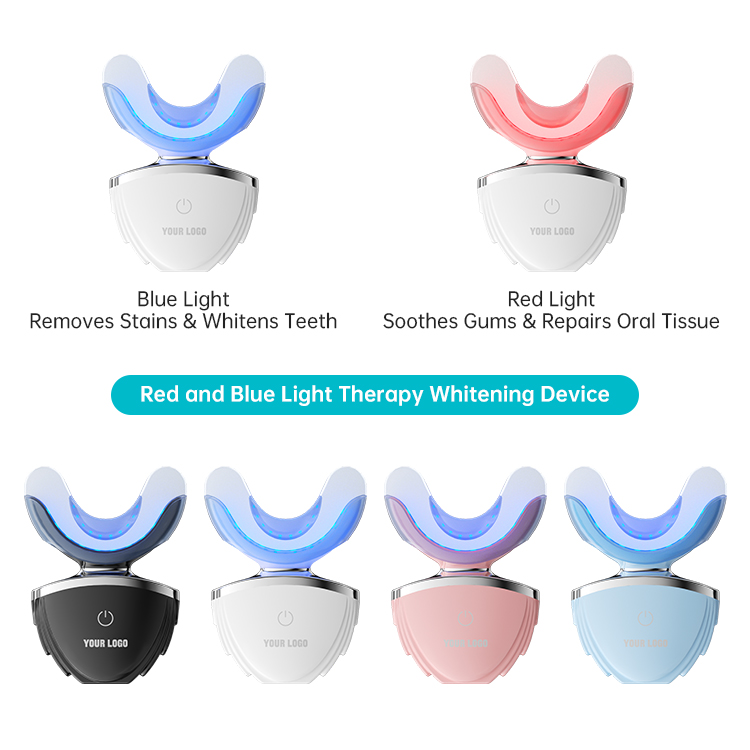
Why is a Sophisticated Battery Management IC Key for a Reliable Home Use Whitening System?
root cavities water flosser prevention: gumline care
Red Blue Light Electric Toothbrush OEM Manufacturing
Low Noise Electric Toothbrush Manufacturer: OEM Engineering, Noise Control Technology and Market Demand
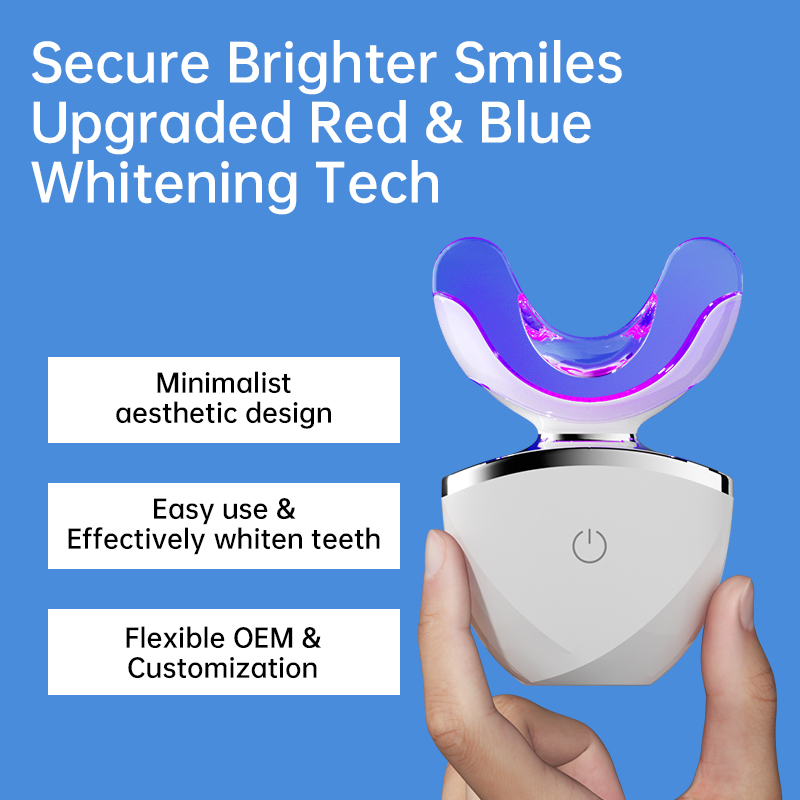
Why Is an FDA Approved Device Crucial for Aesthetic Device Compliance?

Can a Brush Head Subscription Program Be Enhanced with Customized Travel Case Manufacturing?


.jpg)
.jpg)
.jpg)
.jpg)
.jpg)



.jpg)