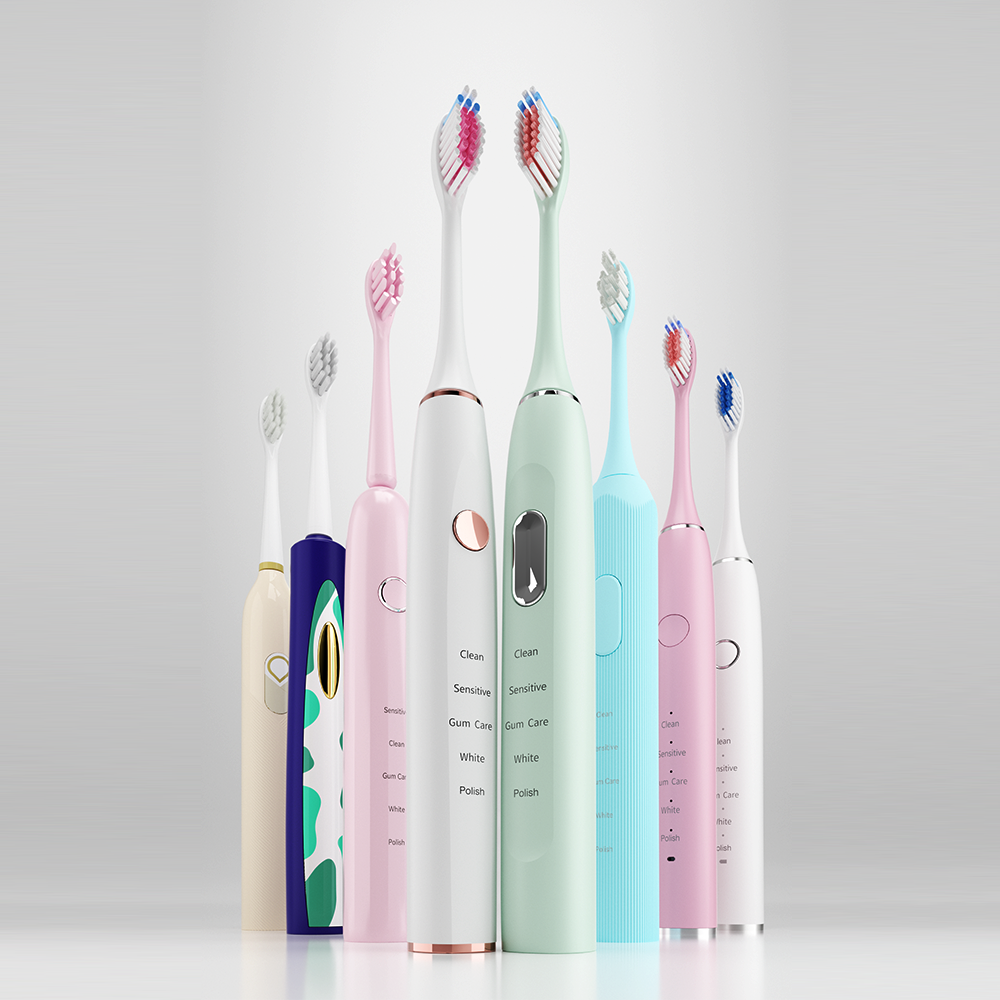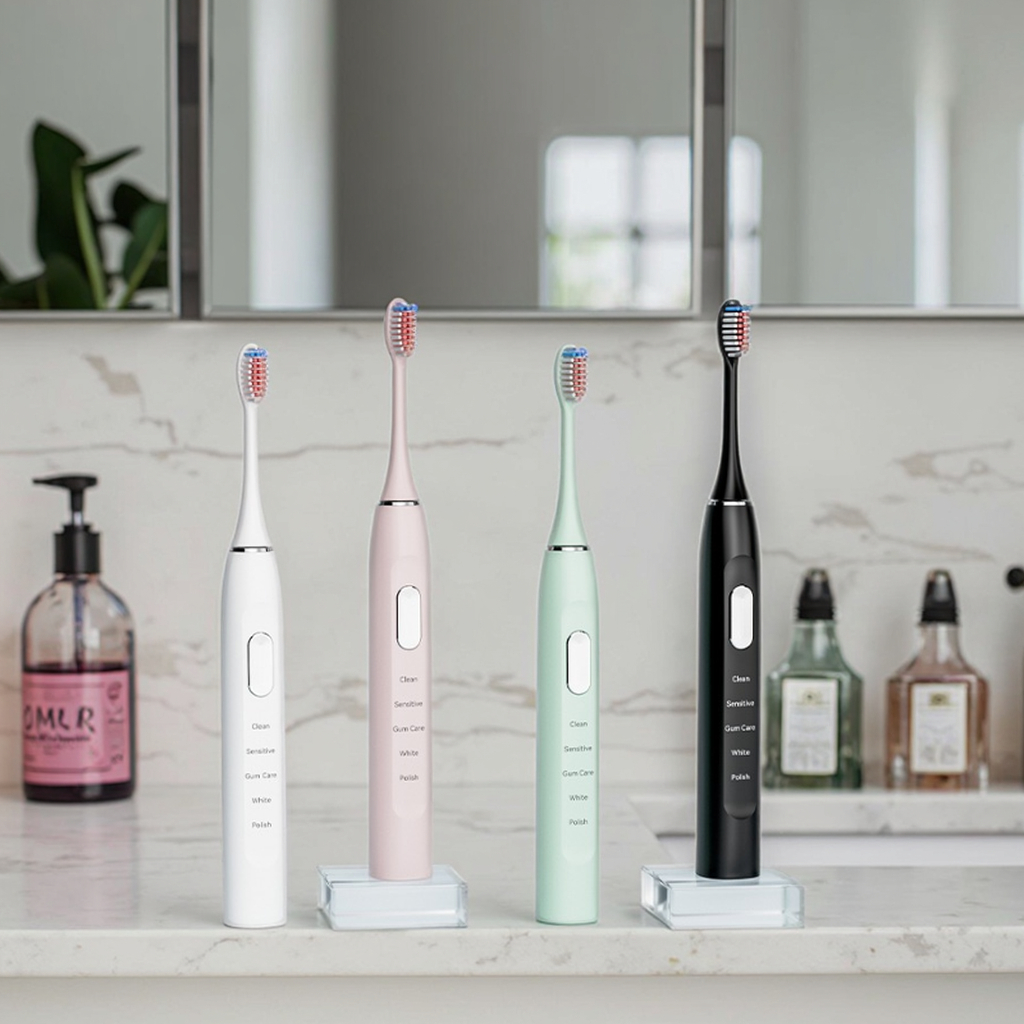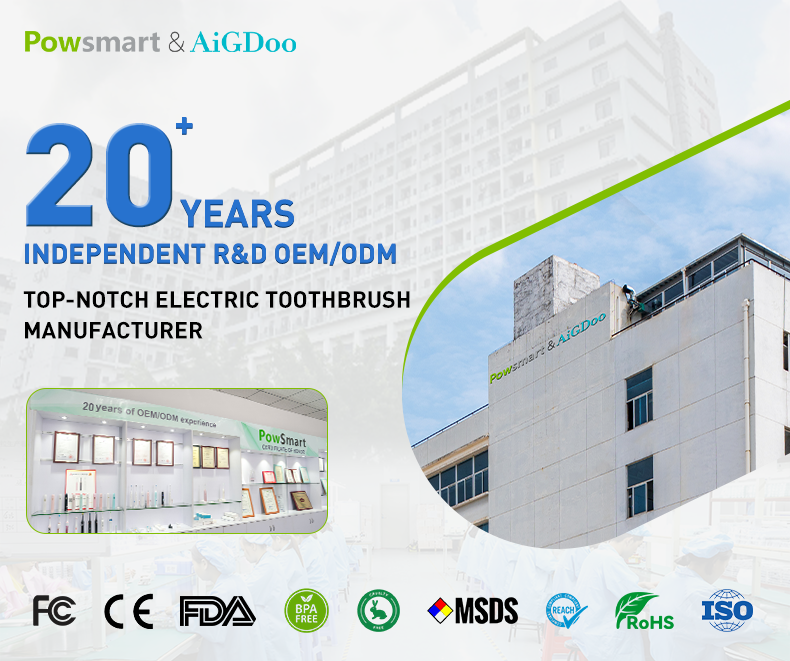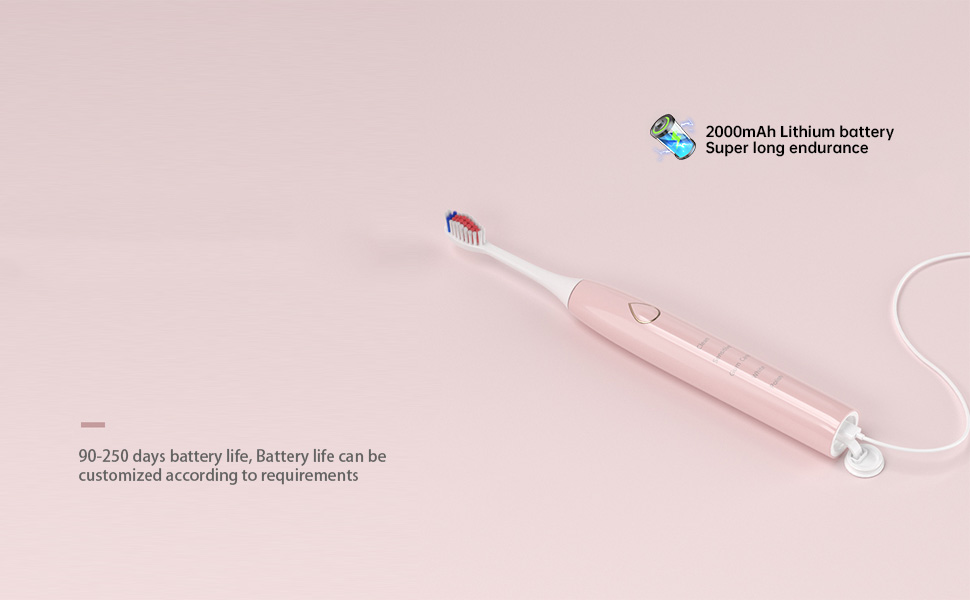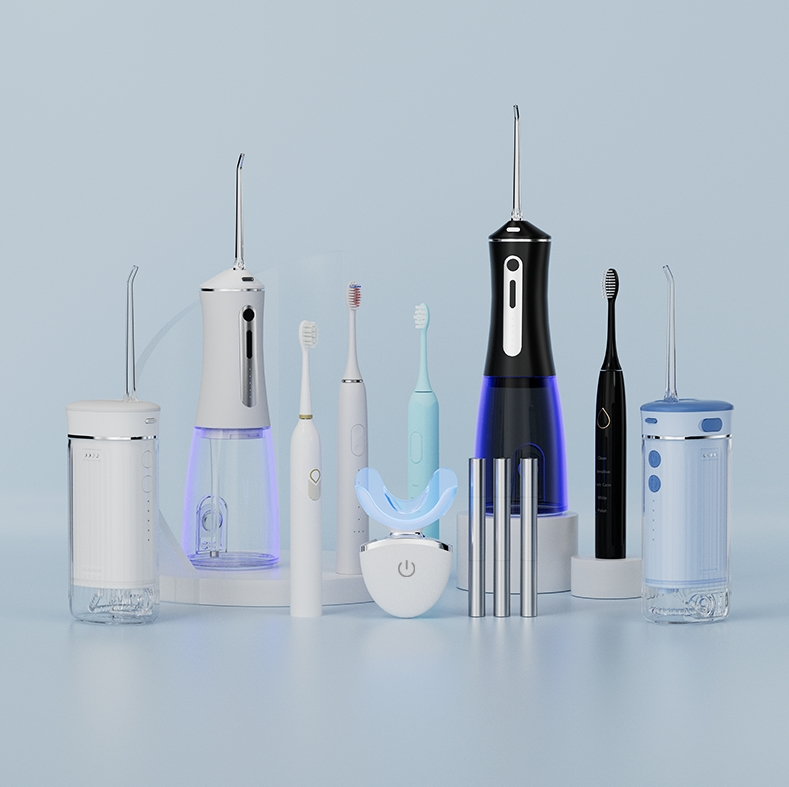
In today’s competitive market, electric toothbrush OEM production requires a delicate balance between cost control and maintaining high product quality. Manufacturers must adopt strategic approaches to optimize expenses while ensuring their products meet industry standards and consumer expectations. This article explores the best practices in achieving cost efficiency and quality assurance strategy of electric toothbrush manufacturing.
The choice of raw materials significantly impacts both cost and quality. Collaborating with reliable suppliers and negotiating bulk purchase discounts can help reduce expenses. At the same time, selecting high-quality, durable materials ensures longevity and performance, aligning with an effective quality assurance strategy.
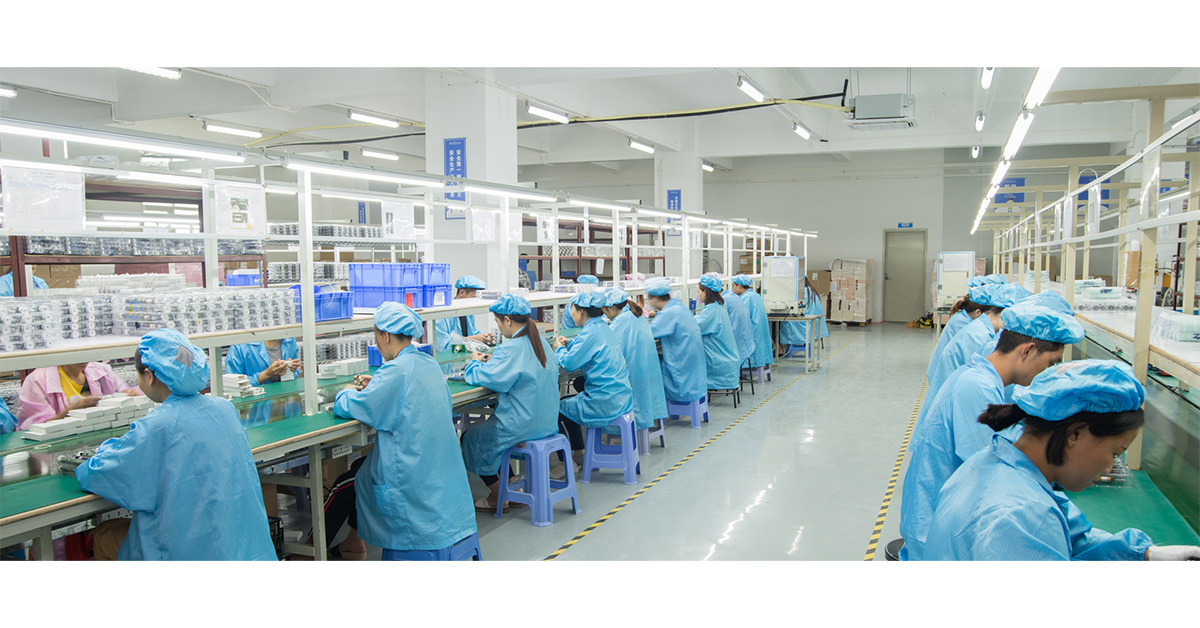
Efficiency in production minimizes waste and reduces labor costs. Implementing automation in key stages such as molding, assembly, and packaging enhances precision and reduces human error. Lean manufacturing principles can be employed to improve workflow and eliminate inefficiencies in electric toothbrush OEM production.
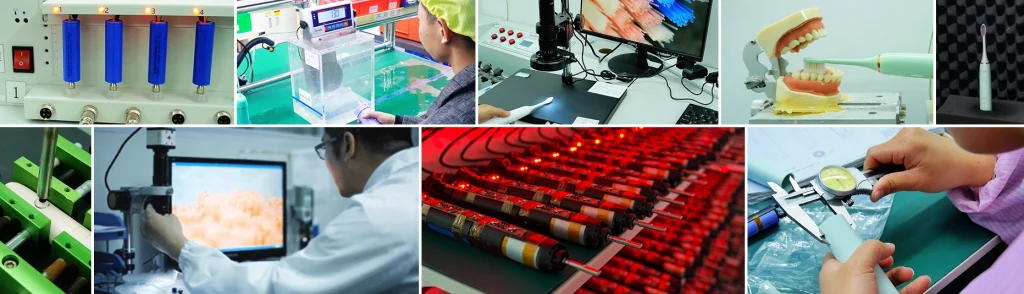
A comprehensive quality assurance strategy is essential to prevent defects and maintain brand reputation. Utilizing advanced testing methods, such as vibration, waterproofing, and battery efficiency tests, ensures that each electric toothbrush meets industry standards before reaching the market. Establishing strict quality checkpoints at different production phases further guarantees product reliability.
Electric toothbrush customization is a growing demand, but it must be managed cost-effectively. Offering modular design options allows brands to personalize products without significantly increasing production costs. Additionally, optimizing supply chain logistics can streamline the process and reduce overhead expenses associated with customization.
Selecting suppliers with a proven track record in electric toothbrush OEM production ensures consistency in material quality and cost efficiency. Establishing long-term partnerships and leveraging just-in-time (JIT) inventory management reduces storage costs and prevents material wastage.
Sustainability initiatives not only contribute to environmental responsibility but also lead to cost savings. Using recyclable materials, reducing energy consumption in manufacturing, and minimizing packaging waste can lower operational expenses over time, providing an added competitive advantage.
Balancing cost control and quality assurance strategy of electric toothbrush OEM production requires a strategic approach that integrates efficient material sourcing, advanced manufacturing techniques, strict quality control, and cost-effective customization. By implementing these strategies, manufacturers can produce high-quality electric toothbrushes while maintaining profitability and competitiveness in the market.
.jpg)
Dental Water Flosser Wholesale China for OEM & Global Distributors
.jpg)
Los Angeles sonic toothbrush wholesale distributor
Long Battery Life Electric Toothbrush – OEM & Bulk Supply for Global Distributors
How Does a Pressure Sensor Protect Gums?
.jpg)
Powsmart Electric toothbrush Factory Arizona
Gum Recession from Pulse Inconsistency? Uncover the Overlooked Risk in Oral Care Devices
Talk About the Pros and Cons of Children’s U-Shaped Brushes

Comparison of Electric Toothbrush Battery Types: How to Choose the Power Solution That Best Suits Your Brand Positioning?
.jpg)
How Brands Can Achieve Higher Margins with Premium Water Flossers
Electric Toothbrush Distributor Europe
Natural Teeth Whitening Methods That Work

Teeth whitening kit: For Healthier, Whiter Teeth
Five benefits of using a Wave electric toothbrush
Waterproof Technology for Electric Toothbrushes
Magnetic Levitation Motor Toothbrush Technology Explained

LED Light in Oral Care: Safety Insights for OEM Product Development


.jpg)
.jpg)
.jpg)
.jpg)
.jpg)






.jpg)