
The development of cutting-edge medical devices, such as a Photodynamic Therapy Module, can be a lengthy and complex process. A Clinical Co-development Program offers a strategic way to accelerate the market introduction of these technologies. By partnering with clinical institutions, device manufacturers can speed up the product’s journey from concept to market while ensuring the device meets both regulatory and clinical standards. In this blog, we explore how a Photodynamic Therapy Module can benefit from a Clinical Co-development Program to accelerate its development and market readiness.
A Photodynamic Therapy Module relies on the precision and effectiveness of light-activated treatment for various medical conditions. However, the transition from theoretical design to practical application requires rigorous clinical validation. By participating in a Clinical Co-development Program, manufacturers can work alongside medical professionals to validate the therapeutic effectiveness and safety of the module. This collaboration bridges the gap between innovative technology and clinical approval, speeding up the path to market.
In a Clinical Co-development Program, clinical partners offer invaluable insights into real-world usage, identifying potential improvements and enhancements to the Photodynamic Therapy Module. These insights help manufacturers refine the product design, optimizing it for usability, safety, and patient outcomes. As a result, the product is better tailored to meet the needs of both healthcare providers and patients, ensuring higher adoption rates once it reaches the market.
One of the biggest challenges in medical device development is navigating the complex regulatory approval processes. Through a Clinical Co-development Program, manufacturers can engage with clinical partners who have expertise in regulatory requirements and submission processes. This partnership helps streamline the submission of clinical trial data and regulatory documentation, significantly reducing time spent on approval procedures. By demonstrating clinical efficacy early on, the Photodynamic Therapy Module can expedite its entry into the market.
A Clinical Co-development Program also opens the door to potential funding and investment opportunities. Investors are more likely to support projects that have demonstrated clinical validation and a clear path to market. Working with a reputable clinical partner provides the necessary credibility and visibility to attract financial backing, which is crucial for advancing the development of a Photodynamic Therapy Module.
Partnering in a Clinical Co-development Program reduces the risks and costs associated with product development. By collaborating with clinical institutions, manufacturers can share the costs of clinical trials, product testing, and market research. This shared risk model makes it more feasible to bring a Photodynamic Therapy Module to market quickly and cost-effectively. Moreover, the clinical feedback gathered during the program helps prevent costly product missteps and ensures that the product meets the needs of both healthcare professionals and patients.
With the combined expertise of clinical professionals and device manufacturers, a Photodynamic Therapy Module can be positioned for swift market adoption. The Clinical Co-development Program ensures that the product not only complies with necessary medical standards but also addresses the specific needs of the healthcare community. This, in turn, makes the product more attractive to potential buyers and increases its chances of success in the marketplace.
By leveraging a Clinical Co-development Program, manufacturers can fast-track the development of their Photodynamic Therapy Module and bring it to market with a competitive edge. The program not only aids in clinical validation but also enhances product design, reduces risks, and accelerates regulatory approvals. As the healthcare industry continues to evolve, the ability to deliver cutting-edge technologies like a Photodynamic Therapy Module quickly and effectively is a key differentiator for medical device companies aiming for success. Contact us

.jpg)
chemotherapy oral care toothbrush: gentle cleaning
bulimia teeth protection guide: acid neutralization
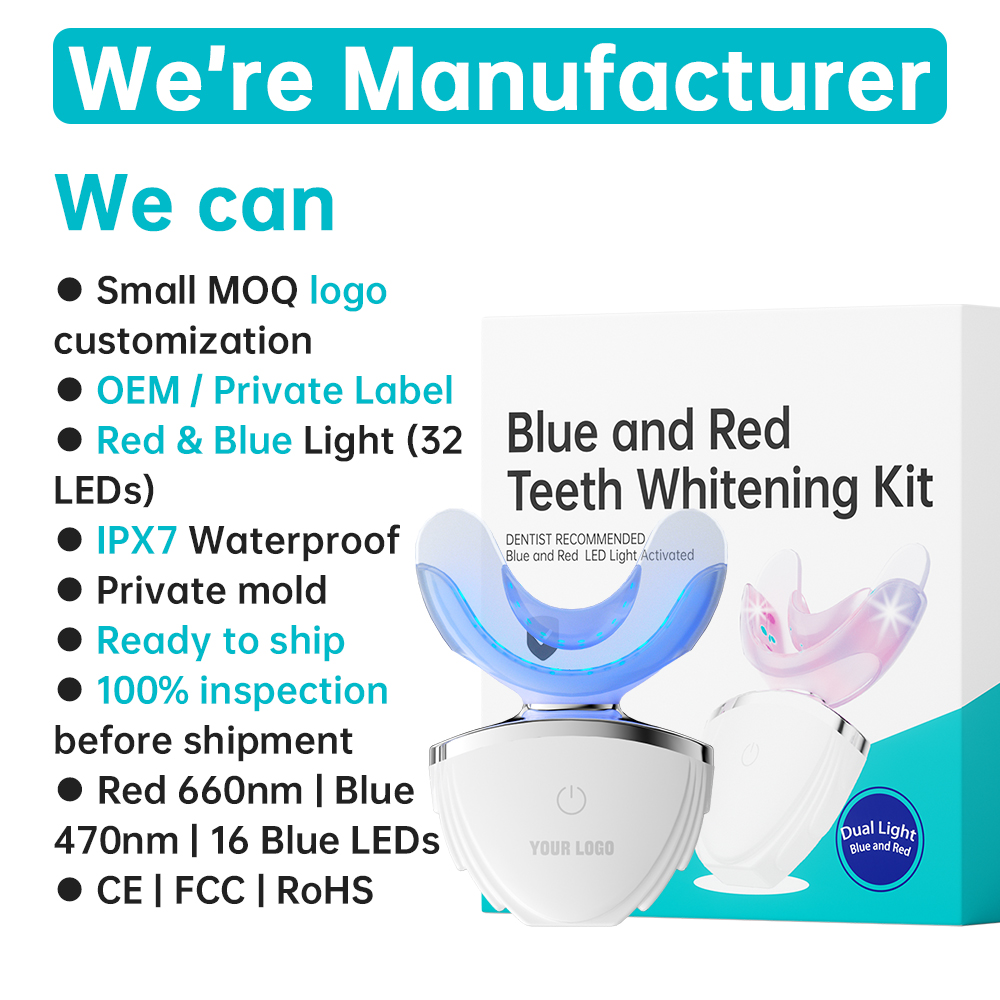
LED Teeth Whitening Device for Professional Home Whitening
How Does CapEx-to-OpEx Conversion Enable a Scalable Pay-per-Patient Model for Clinics?
Interested in a Revenue Sharing Partnership to Launch a Micro-current Skin Tightening Device?

Is the Electric Toothbrush Market Growing?
Electric Toothbrush with Light Therapy
Electric Toothbrush Vibration Amplitude vs Frequency: How to Balance Performance for Better Cleaning
Electric Toothbrush for Mid Range Market Supplier Strategy Guide
Electric Toothbrush Product Advantages OEM: How to Build Competitive Differentiation
Electric Toothbrush Mississippi | Powsmart Professional Manufacturer
The Growing Potential of the Oral Care Business: Trends, Opportunities & Market Insights
Benign Blood Vessel Flosser | Oral Hemangioma
IPX7 Waterproof Electric Toothbrush Supplier: OEM Manufacturing Solutions

The Market is Growing Rapidly: Is There Still an Opportunity to Enter the Oral Irrigator Industry?
Correctional Facility Toothbrush | Approved Models


.jpg)
.jpg)
.jpg)
.jpg)
.jpg)



.jpg)
.jpg)
.jpg)