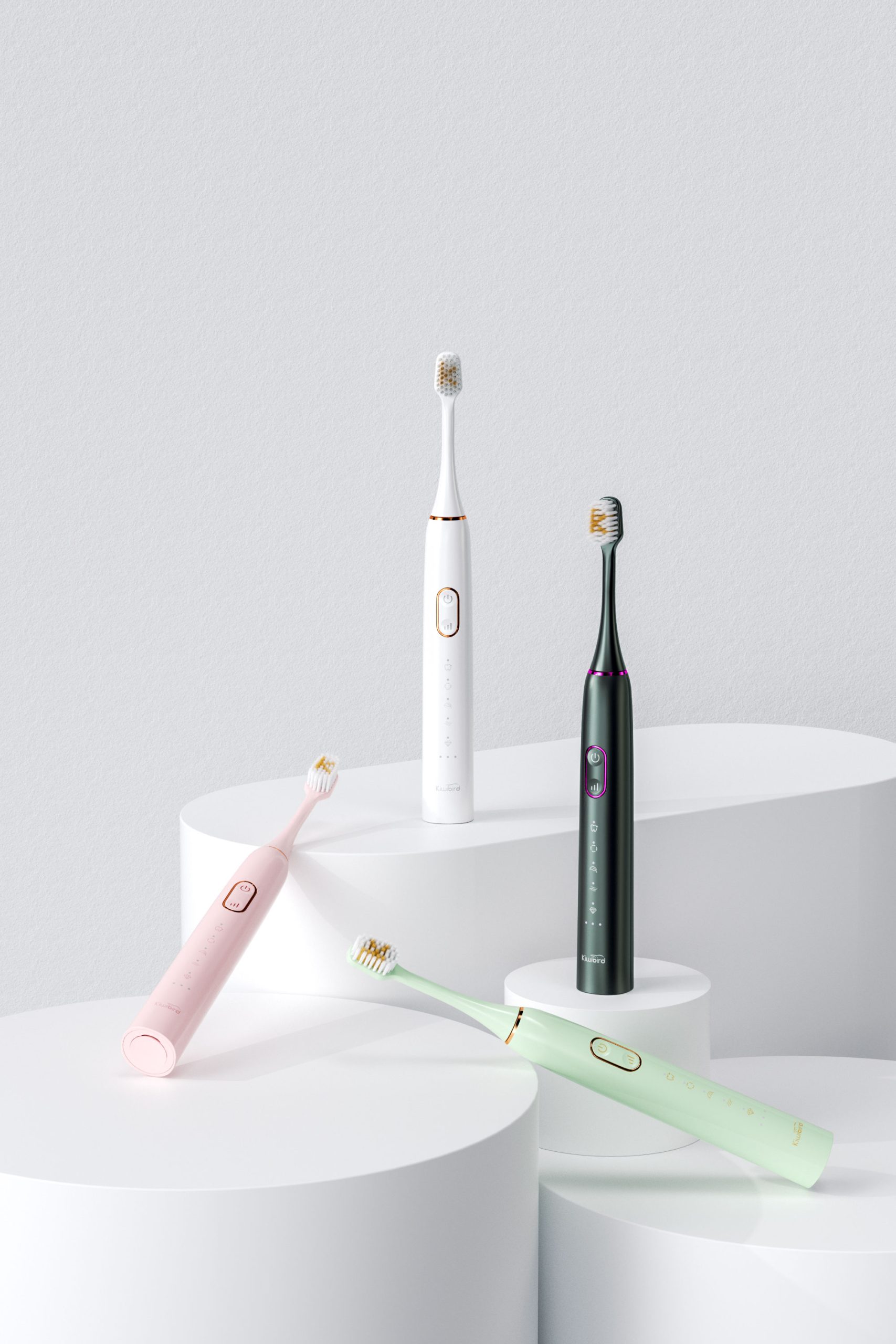
For B2B product teams and OEM/ODM partners, the words Medical professional brush and Surgical grade toothbrush are sometimes used interchangeably — but they point to very different engineering, regulatory and commercial requirements. Below I unpack six clear dimensions so you can specify the right product for clinics, hospitals or retail-medical channels and avoid costly rework.
First and foremost, start with purpose. A Medical professional brush designed for routine clinical oral care: hygiene checks, patient home-care instruction, or chairside cleaning by dental staff. By contrast, a Surgical grade toothbrush is intended for peri-operative or high-acuity environments where minimising microbial loads (pre-op mouth prep, instrumentation suites) and sterility/traceability are essential.
Therefore:
Next, materials differ by risk and lifecycle. For a Medical professional brush you typically see durable, cleanable polymers and corrosion-resistant metals suitable for frequent disinfection. For a Surgical grade toothbrush materials and surface chemistry are chosen to be sterilizable and non-reactive:
In short, surgical grade equals higher material scrutiny and traceable certificates. Company web: https://www.powsmart.com/product/electric-toothbrush/
Crucially, the Surgical grade toothbrush must meet sterility workflows. That drives process and cost:
By contrast, a Medical professional brush may ship non-sterile with cleaning/disinfection instructions and a validated reprocessing SOP for clinic reuse.
Regulatory pathways separate the two categories:
Therefore, early engagement with regulatory and QA is mandatory when you intend to supply surgical grade items to hospitals.
Design choices follow the lifecycle model:
Commercial teams must model total cost of ownership (per patient use) and environmental impact when proposing either route.
Finally, what you prove drives adoption:
Hospitals and clinics will evaluate both specs and operational fit — not just “looks nice.”
If you’re deciding which product to build or certify, use this checklist:
Bottom line: a Medical professional brush engineered for clinical hygiene and frequent use under standard disinfection regimes; a Surgical grade toothbrush is a higher-risk product that must meet sterility, material and regulatory standards for use in sterile or peri-operative environments. Treat them as separate product families — not mere finish or branding variants — to avoid compliance gaps and ensure clinical adoption.
.jpg)
.jpg)
.jpg)
Electric Toothbrush for Southeast Asia Market: Cost Strategy and Localization Guide
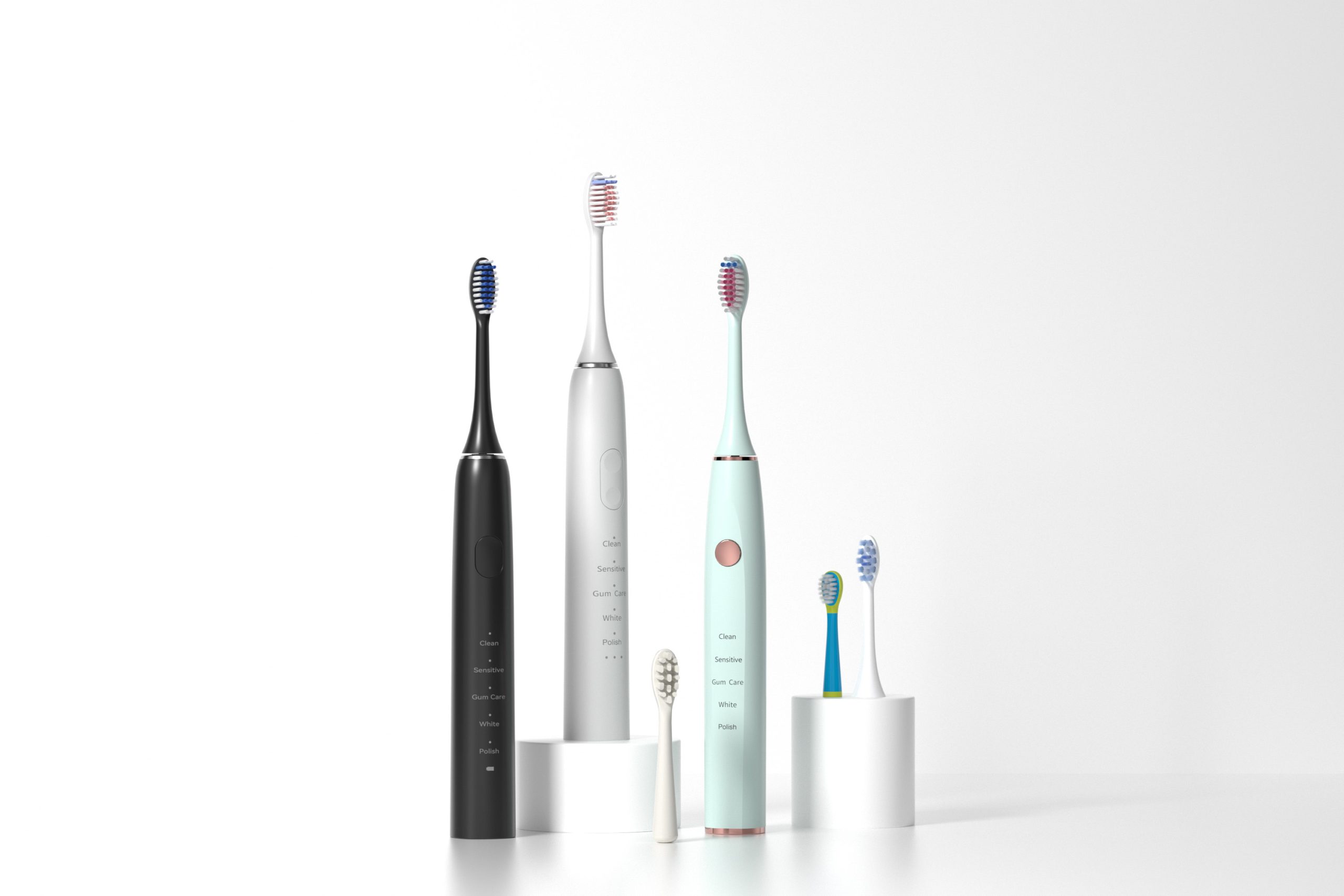
Why Is Spectral Output Optimization Verified Through Accelerated Aging Tests for Whitening Devices?
Post-Candy Stain Removal | Quick Whitening After Halloween Candy Indulgence
Brush + Flosser Combo Electric Toothbrush Wholesale
Lithium Battery Electric Toothbrush OEM: High-Performance Power Solutions for Modern Devices
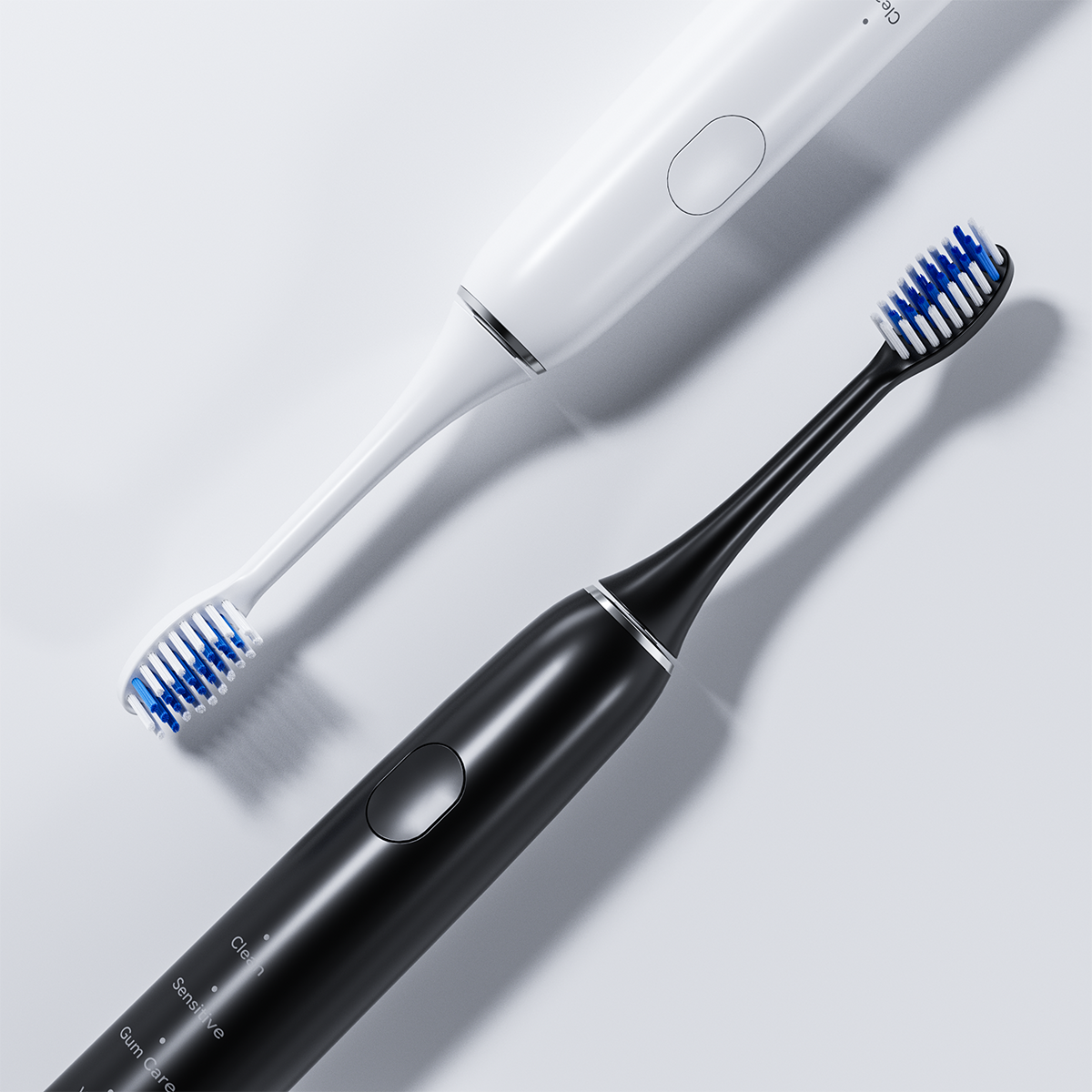
Do I Need to Consider the Appearance Design When Choosing an Electric Toothbrush?
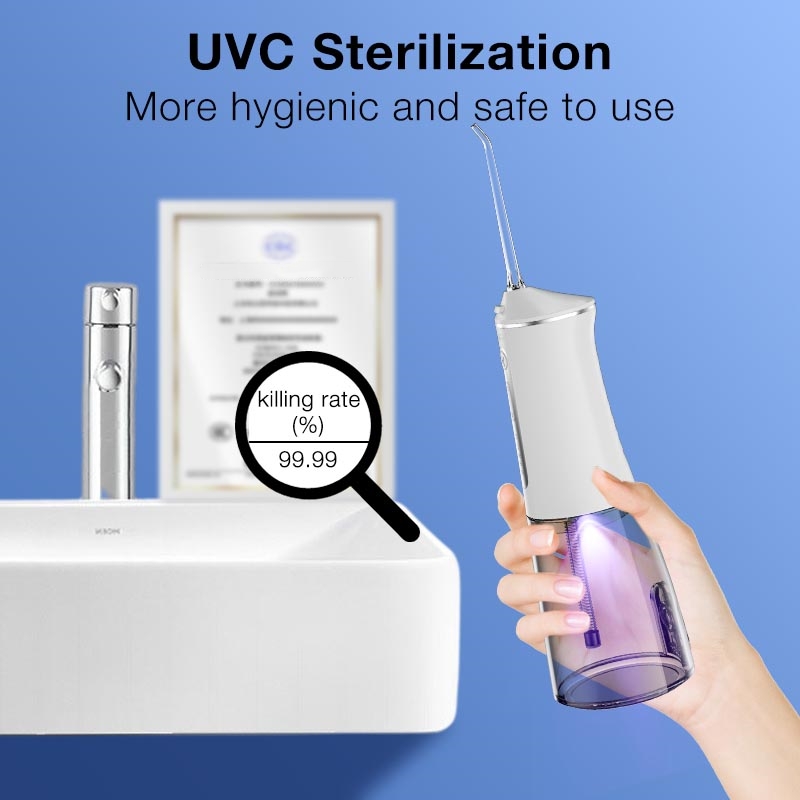
Oral Irrigators That Can Replace Dental Floss Are So Useful! 5 Common Misunderstandings About Using Them
.jpg)
Five Advantages of Electric Toothbrush Customization Service: Why Brand Owners Choose OEM/ODM?
OEM smart toothbrush manufacturer
How to Manufacture Your Electric Toothbrush Vision with the Right OEM Partner
Is a Software engineer gift incomplete without a Coding gift toothbrush?
The Future of Teeth Whitening Devices: Trends and Innovations in Manufacturing
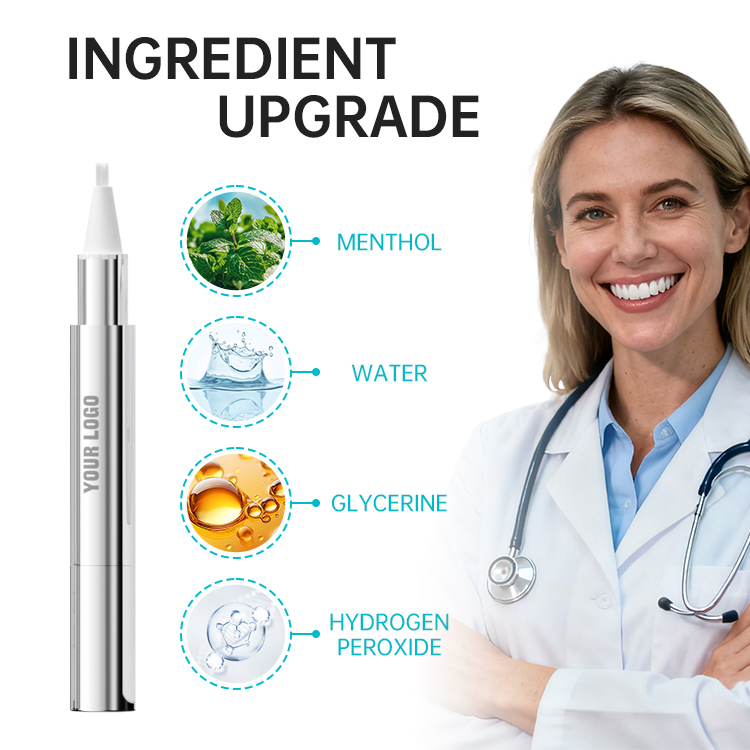
What Did the Dentist Say About Natural Ingredient Tooth-Whitening Products?
Waterproof Travel Electric Toothbrush OEM | Portable Oral Care
Teeth Whitening Kit Low MOQ Manufacturing for Brand Testing and Scaling
Post-Candy Stain Removal | Quick Whitening After Halloween Candy Indulgence


.jpg)
.jpg)
.jpg)
.jpg)
.jpg)



.jpg)