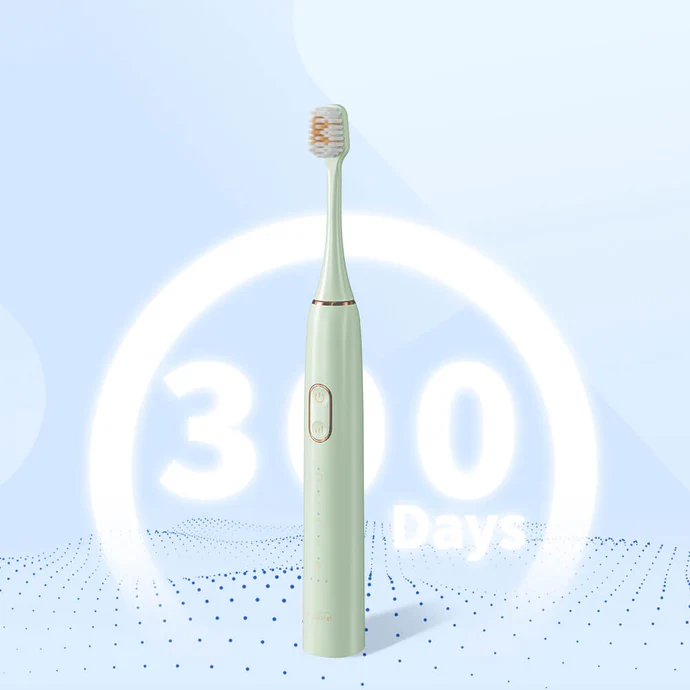
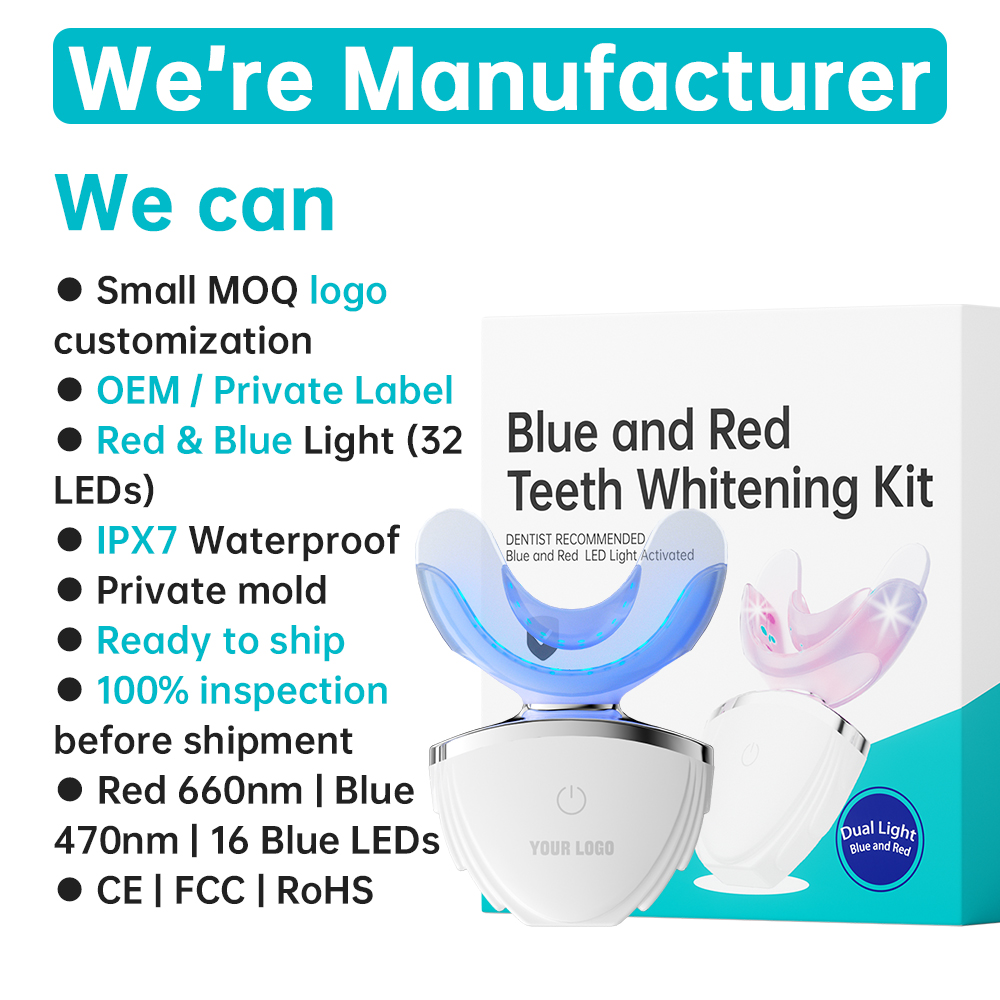
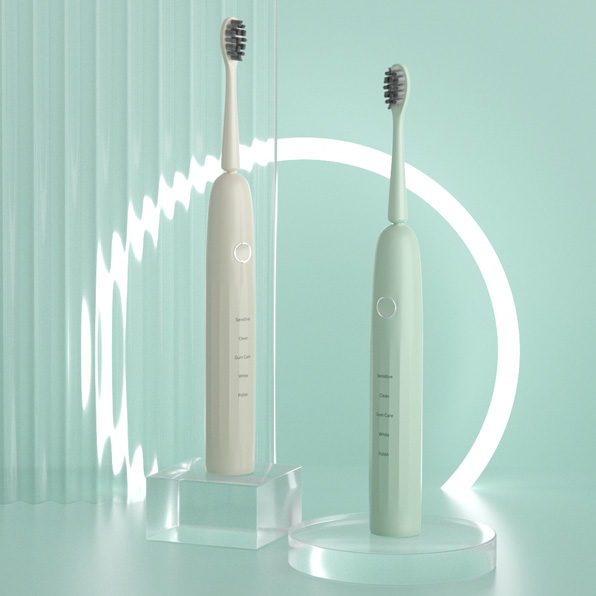
Launching a new oral care brand does not always require large production volumes. A low MOQ electric toothbrush allows startups, distributors, and private-label brands to test products with reduced investment. Likewise, a low MOQ water flosser makes it easier to evaluate market demand before scaling up. This blog explains how low MOQ manufacturing can help your business grow with less risk.
Entering a new market can be challenging without understanding customer demand. A low MOQ electric toothbrush enables brands to launch trial sales, collect customer feedback, and validate product performance without committing to high inventory levels. A low MOQ water flosser offers the same flexibility, allowing businesses to evaluate different markets while minimizing financial risk.
Small and growing businesses often require flexible manufacturing solutions. A professional OEM partner offering low MOQ electric toothbrush production helps startups introduce premium products with manageable order quantities. At the same time, low MOQ water flosser manufacturing enables new brands to expand their product range without excessive upfront investment.
Low minimum order quantities do not mean limited customization. A reliable manufacturer can provide low MOQ electric toothbrush solutions with custom logos, colors, packaging, brush heads, and charging accessories. Similarly, low MOQ water flosser projects can include customized nozzles, pressure modes, water tanks, and retail packaging. This allows brands to create unique products even with smaller production runs.
Maintaining healthy cash flow is essential for business growth. Ordering a low MOQ electric toothbrush helps reduce warehouse costs and minimizes unsold inventory. A low MOQ water flosser also allows businesses to replenish stock based on actual sales performance instead of forecasts. This inventory strategy improves operational flexibility and financial efficiency.
Rapid product iteration creates a competitive advantage. A low MOQ electric toothbrush allows brands to launch new designs, monitor customer responses, and refine future versions quickly. A low MOQ water flosser supports the same agile development process, making it easier to introduce product upgrades based on real market feedback.
Many successful brands begin with small orders before expanding production. A trusted OEM/ODM manufacturer offering low MOQ electric toothbrush and low MOQ water flosser services can scale manufacturing as your business grows. Long-term cooperation ensures consistent quality, stable supply capacity, and continued product innovation while supporting future expansion.
Choosing a manufacturer that offers both low MOQ electric toothbrush and low MOQ water flosser production is an effective way to reduce risk, optimize cash flow, and accelerate market entry. For B2B distributors, wholesalers, retailers, e-commerce sellers, and private-label brands, flexible MOQ solutions provide the opportunity to test products, strengthen brand positioning, and build a scalable oral care business with confidence. Contact us
Can a Plume Evacuation System Enhance Photo-accelerated Oxidation in Teeth Whitening Systems?
.jpg)
Teeth Whitening Device OEM Manufacturer
Light Teeth Whitening: How It Works & Is It Safe?

The Process of Developing a Private Electric Toothbrush
.jpg)
Does Teeth whitening gel guarantee Professional results?
Electric Toothbrush Import Regulations USA for OEM Manufacturers
How Does Allergen Testing Prevent Bleach Residuals?

Need Packaging Customization Service for Your Professional Salon Whitening Device?
Private Label Whitening Device Manufacturer for Cosmetic Brands
Excessive Noise and Grip Failure Damaging Toothbrush Reputation?
Wireless Charging Blue Light Teeth Whitening Device For Yellow & Stained Teeth
Navigating Biocidal Product Regulation for Sanitizing Products?
Downtown Chicago Electric Toothbrush Repair Services
Electric Toothbrush Precision Mold Shell Manufacturing: How to Balance Aesthetics and Durability?
UV toothbrush sanitizer effectiveness
How Do Revenue-linked Component Sourcing Agreements Work with a Profit-sharing Distribution Model?


.jpg)
.jpg)
.jpg)
.jpg)
.jpg)