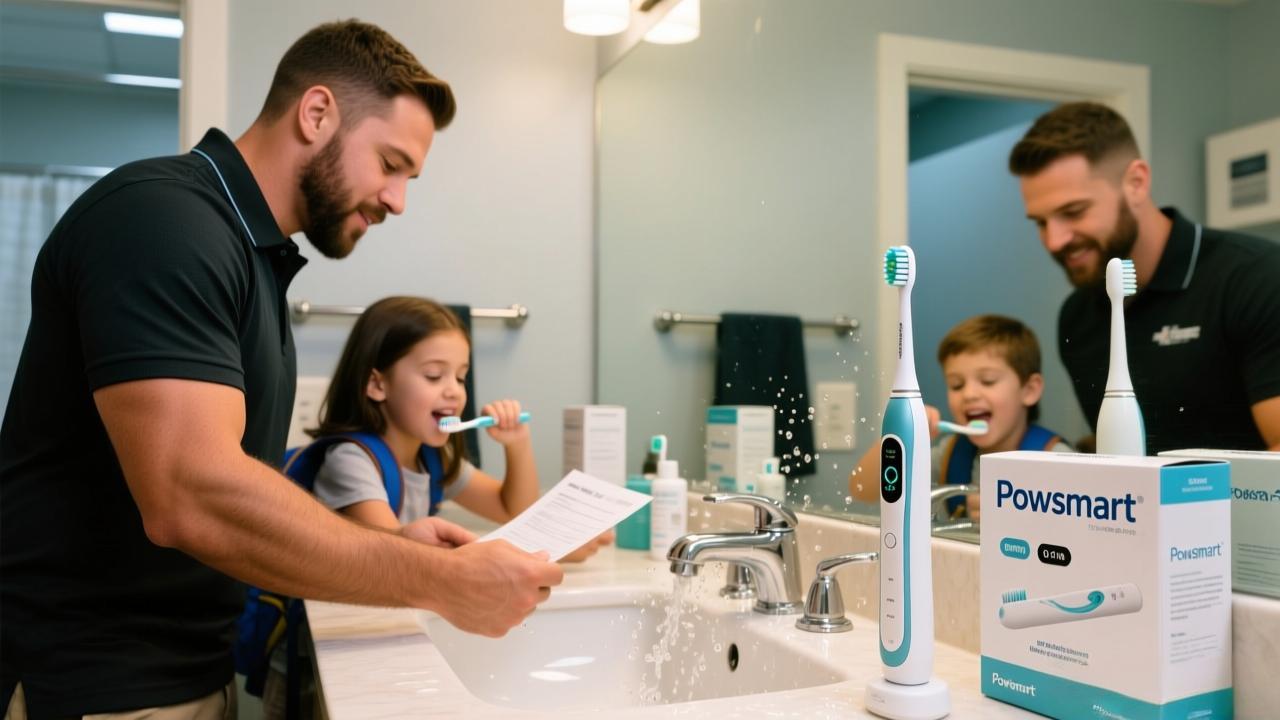
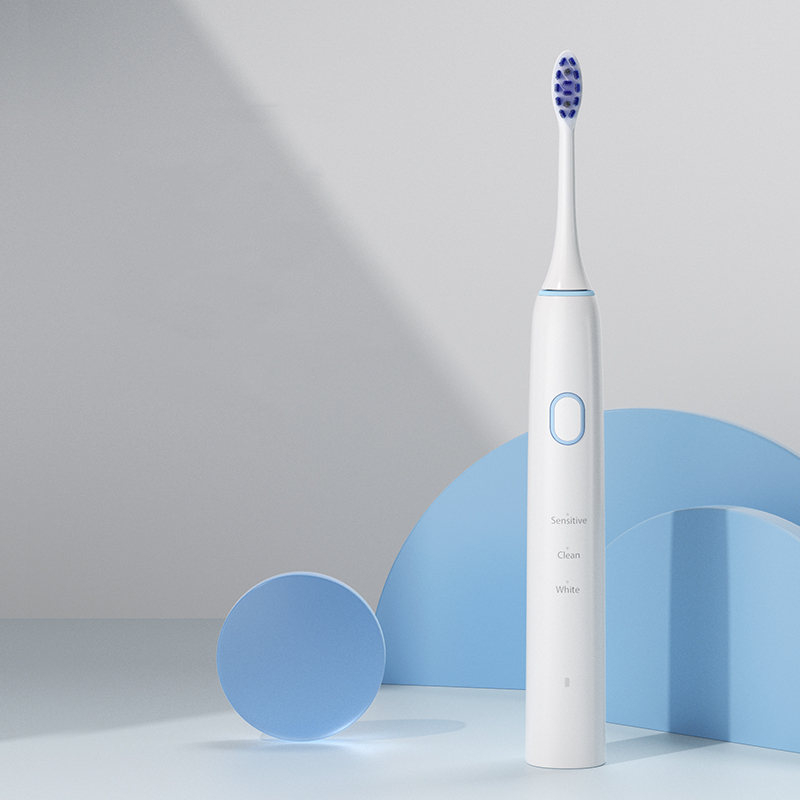
Toothbrushes are designed to keep our mouth clean. But in the process, they often get very, very dirty.
That’s the conclusion of the American Dental Association (ADA), which reports that toothbrushes can become contaminated in several ways. For starters, microorganisms in your mouth can stick around on the toothbrush after you’ve brushed. Microorganisms from the environment in which you keep your toothbrush may also find their way onto the bristles. And because there’s no regulation saying that toothbrushes have to be sold in a sterile package (yes, really!), they may be coated in bacteria right out of the box.
We use toothbrushes to improve our oral hygiene—not expose our mouths to even more bacteria—it’s critical to properly care for your toothbrush if you want it to do its job. Keep your mouth and your toothbrush healthy with these four simple tips.
Sure, it makes for a cute scene in romantic movies: The couple gets close enough that they’re even willing to share a toothbrush. But in real life, it’s best to leave the romance out of the toothbrush holder. That’s because sharing a toothbrush with anyone else exposes you to microorganisms with which your body may not be familiar. This, in turn, can put you at a higher risk for infection.
Once your toothbrush wiggles in your mouth for two minutes, it becomes covered in bacteria, tiny food, and other particles. If you don’t take the time to thoroughly rinse these off your toothbrush after brushing, then you’ll simply end up swiping them back into your mouth again the next time you brush. That’s why it’s so important to thoroughly rinse your toothbrush after each use. Some people choose to rinse or soak their toothbrush in an antibacterial mouthwash after using it, which may further reduce the amount of bacteria that sticks around on your brush.
For the same reasons that it’s a good idea to rinse your toothbrush after brushing, it’s also smart to give it a quick rinse before you use it. This way, you can get rid of any debris that may not have been removed during the most recent rinse or that made its way onto the brush between brushing.
Rinsing out your toothbrush won’t do you much good if you don’t allow it to dry out afterward. That’s because moisture creates a very hospitable condition in which bacteria can grow. Avoid this issue by adhering to the following toothbrush storage tips:
The ADA recommends that You should never use your toothbrush for more than three to four months. While this is a good general rule to follow, a few situations might necessitate replacing your brush more frequently:
With a little care and attention, your toothbrush can do what it does best: keep your mouth clean to ensure greater oral health.
Gentle Oral Care Products for Sensitive Oral Cavity: Maintaining Hygiene Without Discomfort
.jpg)
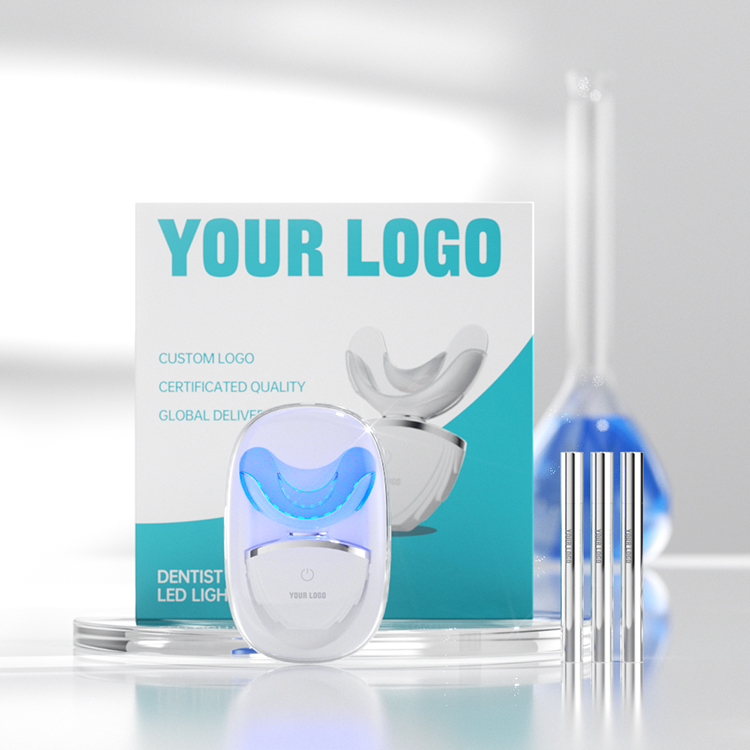
at home teeth whitening device distributor | Private Label LED Whitening Solutions
Refining Your Toothbrush Sourcing Strategy?
Replaceable Brush Head Toothbrush Supplier: Cost-Effective and Sustainable Solutions
1-scaled.jpg)
Texas sensitive gums — do they pair well with the Austin eco toothbrush?

Have Dental Practice Management Software Integration? Need Practice Marketing Collateral Support?
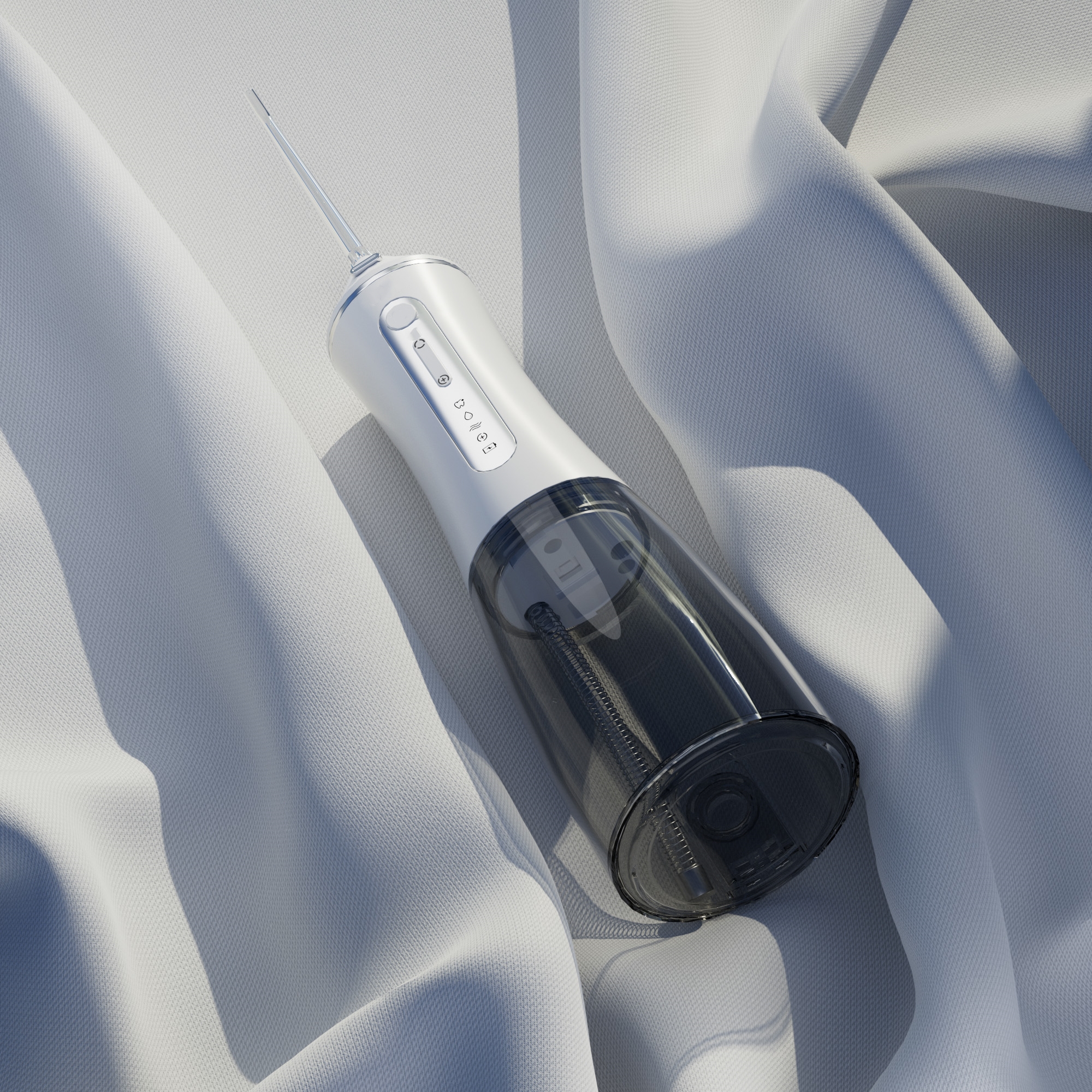
Compatibility of Water Flosser Accessories: How to Increase User’s Repurchase Rate Through Replaceable Nozzles?
manual water flosser options: no electricity needed
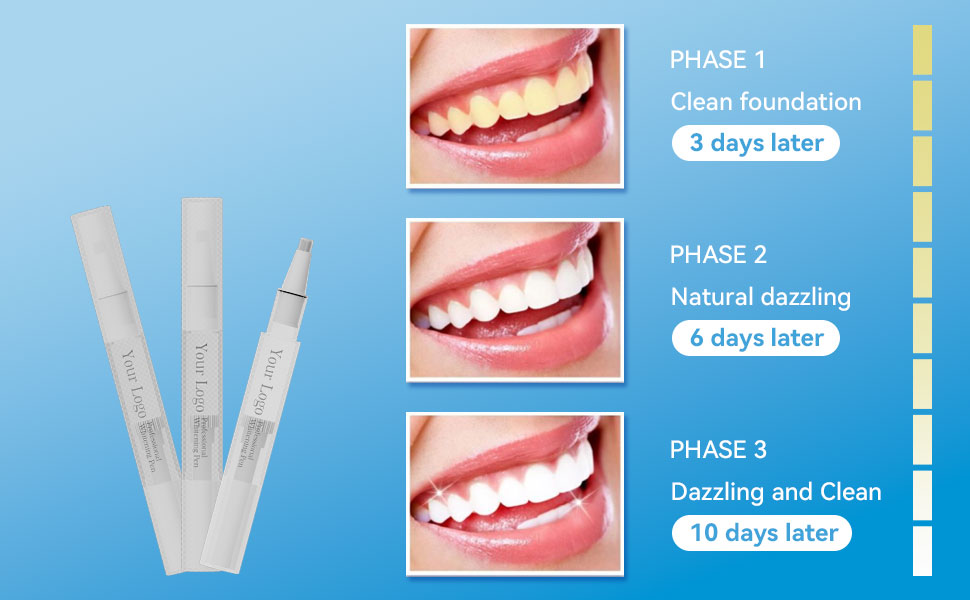
Precautions during the use of household teeth whitening devices
Home Teeth Whitening: Simplified
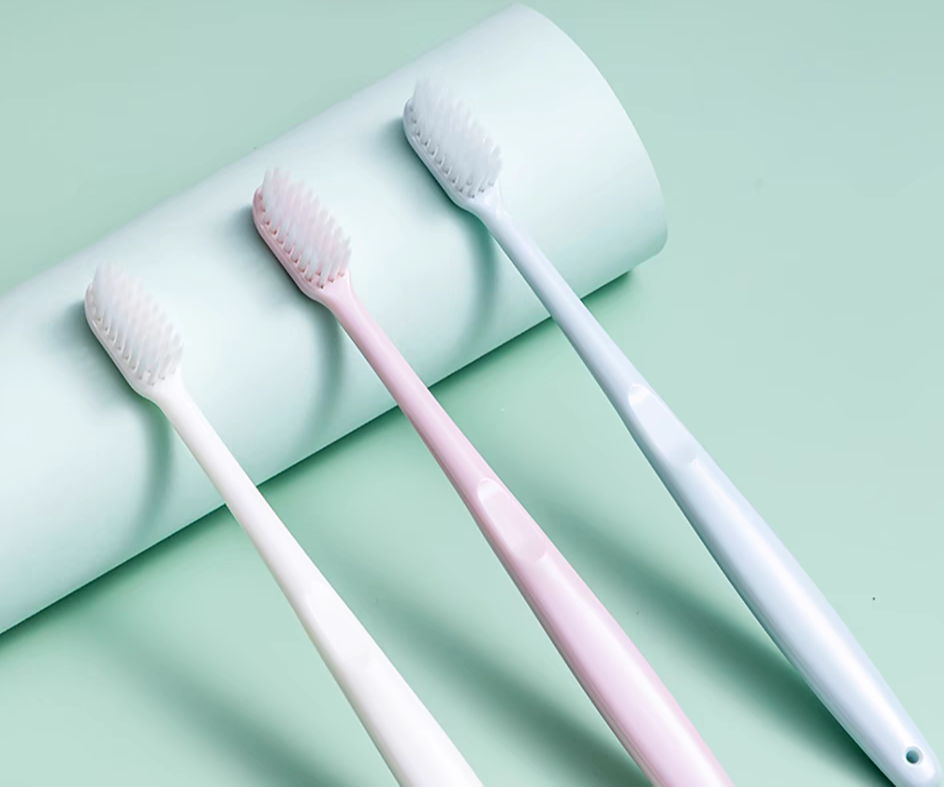
Electric Toothbrush Head Customization Solution and Range
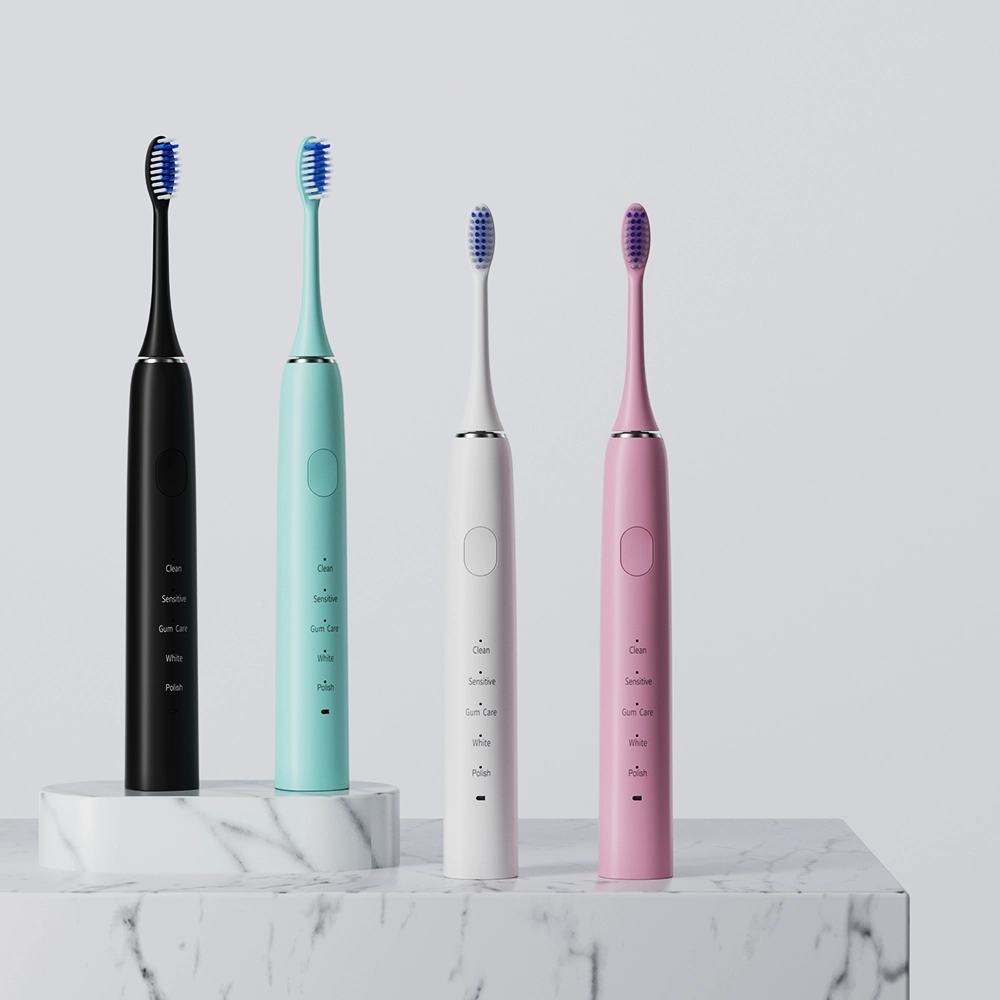
How to choose a reliable electric toothbrush factory?
Whitening Rebound After Light Decay – Inevitable?
Can a Percussive Hydraulic Mechanism Be Combined With an Anti-microbial Reservoir for Safer Oral Irrigation?
Electric Toothbrush FDA Registration USA: Complete OEM Compliance Guide for Brands
Why Pair a Graphene-coated Heating Element with a Solid-state Cooling Chip in a Beauty Device?


.jpg)
.jpg)
.jpg)
.jpg)
.jpg)



.jpg)