Tooth sensitivity can strike unexpectedly, causing sharp pain when consuming hot, cold, sweet, or acidic foods and drinks. If you’ve ever winced while sipping coffee or biting into ice cream, you’re not alone. Sudden tooth sensitivity is a common issue, but understanding its causes and solutions can help you manage it effectively.
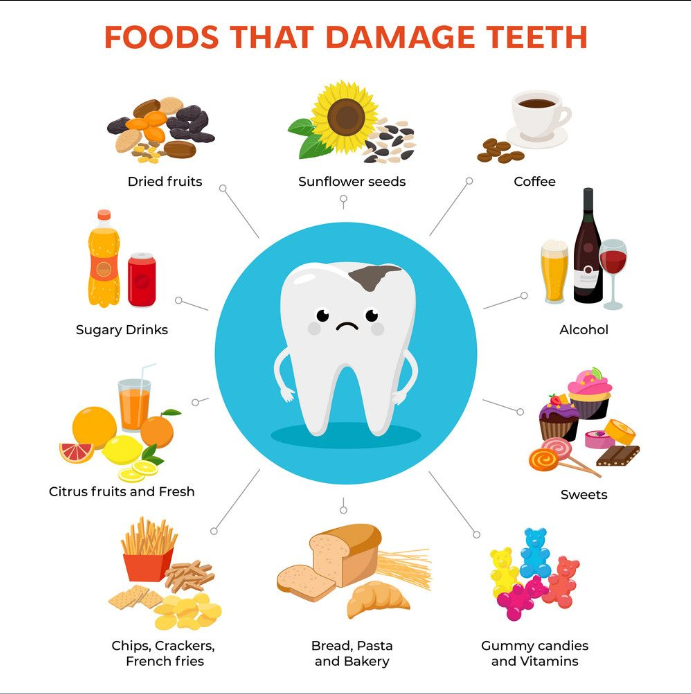
The first step in addressing tooth sensitivity is determining its root cause. Common triggers include:
Thin Enamel: Enamel erosion exposes the sensitive dentin underneath, leading to discomfort.
Grinding Teeth: Bruxism (teeth grinding) can wear down enamel and increase sensitivity.
Brushing Too Hard: Aggressive brushing can damage enamel and gums, exposing sensitive areas.
Acidic Foods and Drinks: Frequent consumption of citrus, soda, or wine can erode enamel.
Tooth Decay: Cavities near the gumline or nerve can cause sudden sensitivity.
Gum Recession: Receding gums expose tooth roots, which lack protective enamel.
If brushing too hard is the culprit, switch to a soft-bristled toothbrush and use gentle, circular motions. Consider a desensitizing toothpaste containing potassium nitrate or stannous fluoride to block pain signals. Additionally, avoid acidic foods and drinks that worsen enamel erosion—rinse with water afterward if consumed.
If tooth decay or gum recession is causing sensitivity, consult your dentist. Treatments may include:
Fluoride varnishes or gels to strengthen thin enamel.
Dental bonding or sealants to cover exposed roots.
A custom night guard if grinding teeth is the issue.
While waiting for professional treatment, try:
Saltwater rinses to reduce inflammation.
Clove oil (a natural anesthetic) applied to sensitive areas.
Avoiding extreme temperatures in food and drinks.
Protect your enamel by:
Using a fluoride mouthwash daily.
Chewing sugar-free gum to stimulate saliva production (which remineralizes enamel).
Scheduling regular dental check-ups to catch issues early.
If sensitivity persists despite home care, visit your dentist. Persistent pain could indicate deeper problems like infection or cracked teeth that require professional intervention.
Sudden tooth sensitivity can be alarming, but with the right approach—identifying causes, improving oral hygiene, and seeking professional care—you can reduce discomfort and protect your smile. By addressing factors like thin enamel, grinding teeth, and acidic diets, you’ll be on your way to pain-free teeth in no time!
For more expert dental tips, explore our blog or contact our team for personalized advice. https://www.powsmart.com/
PowSmart’s Commitment to Quality: What Sets Our Oral Care Products Apart

What Are the Main Reasons for Charging Problems With an Oral Irrigator?
.jpg)
How to Fix Seal Aging and Pump Failures Together?

Best Travel Water Flosser: Balancing Size & Battery Life
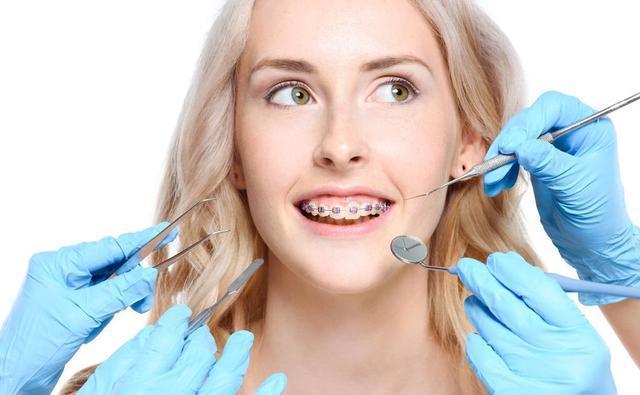
How to Keep Teeth Clean with Braces: A Complete Care Guide
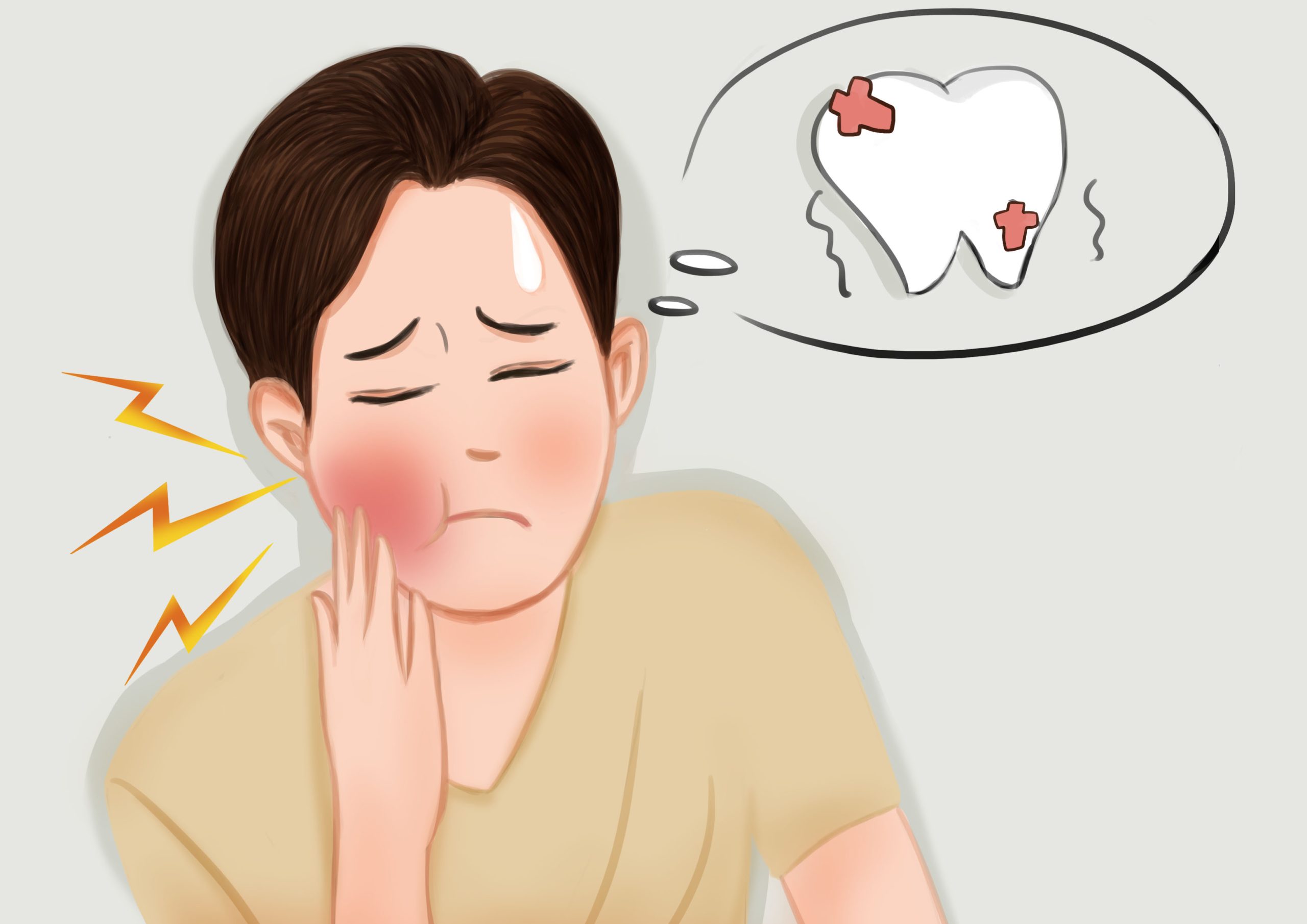
Understanding and Treating Gum Bleeding When Brushing
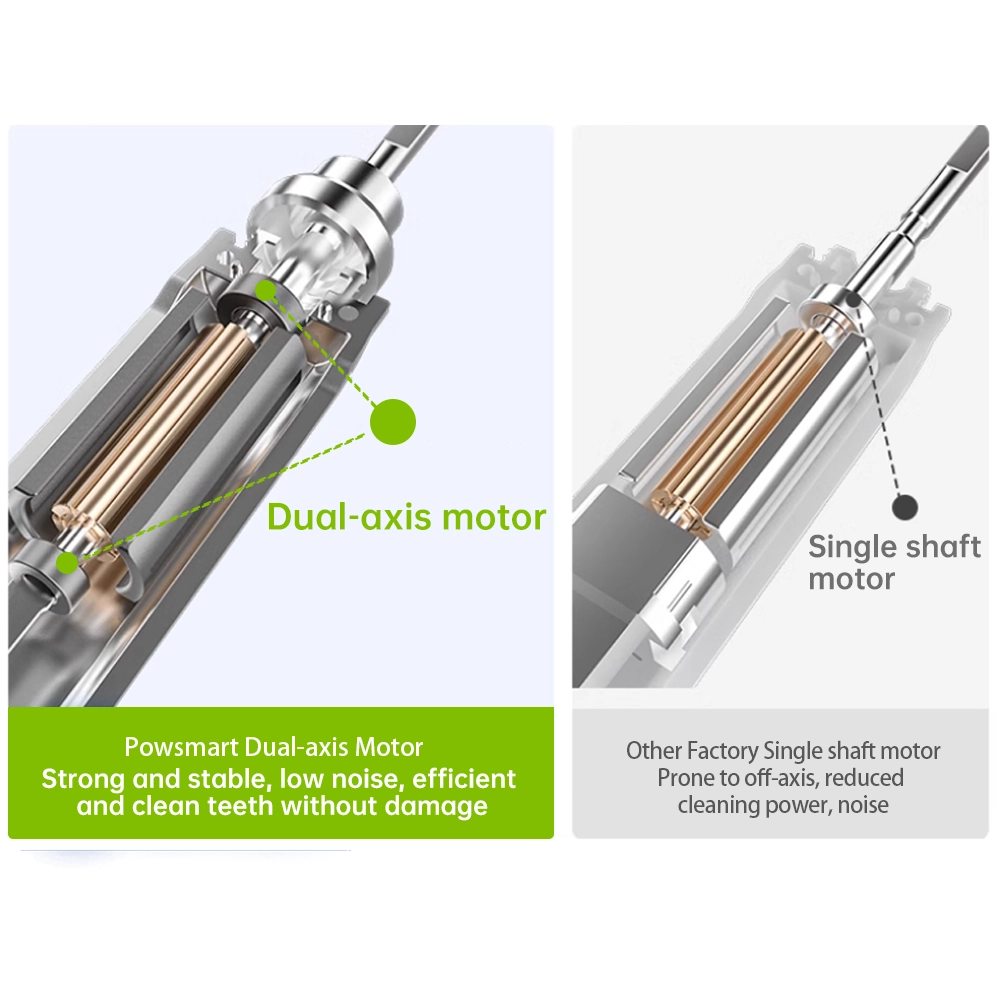
The Science Behind Sonic Toothbrush Motors
Are Button Malfunctions and Circuit Shorts the Cause?
USB-C Portable Water Flosser OEM – Custom Solutions for Global Distributors
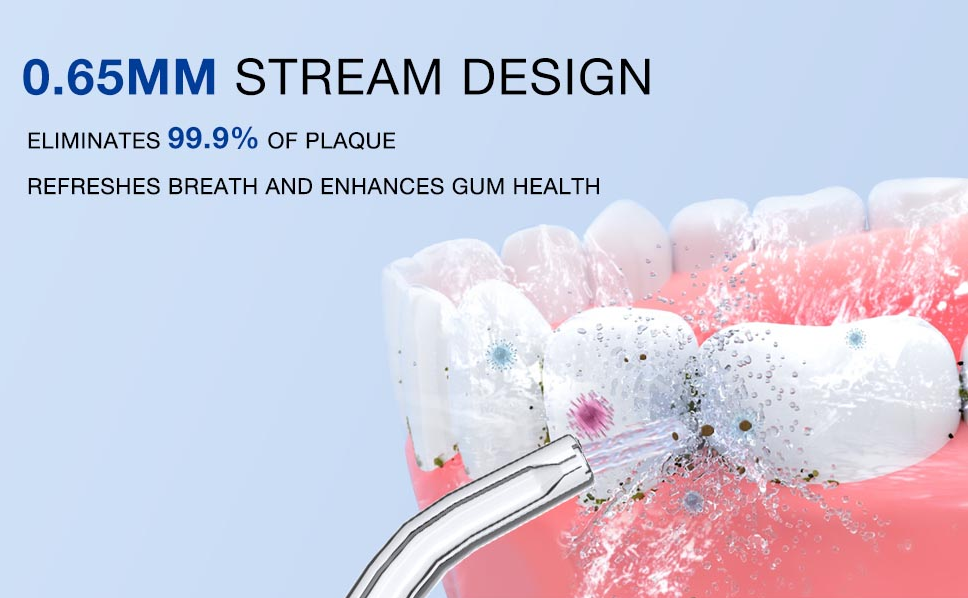
1200 vs 1800 water flosser pulse/Minute: Which Water Flosser Pressure Setting Works Best for Plaque Removal Without Gum Irritation?
How to Prevent Water Discoloration and Microbial Growth?
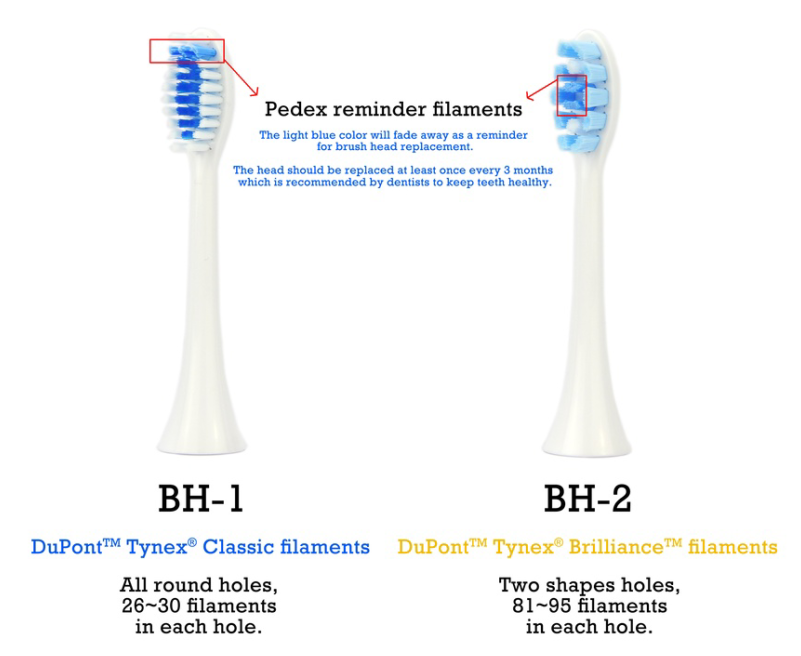
FDA-Approved Antibacterial Bristles of Electric Toothbrush: A Safety Guide for Oral Care
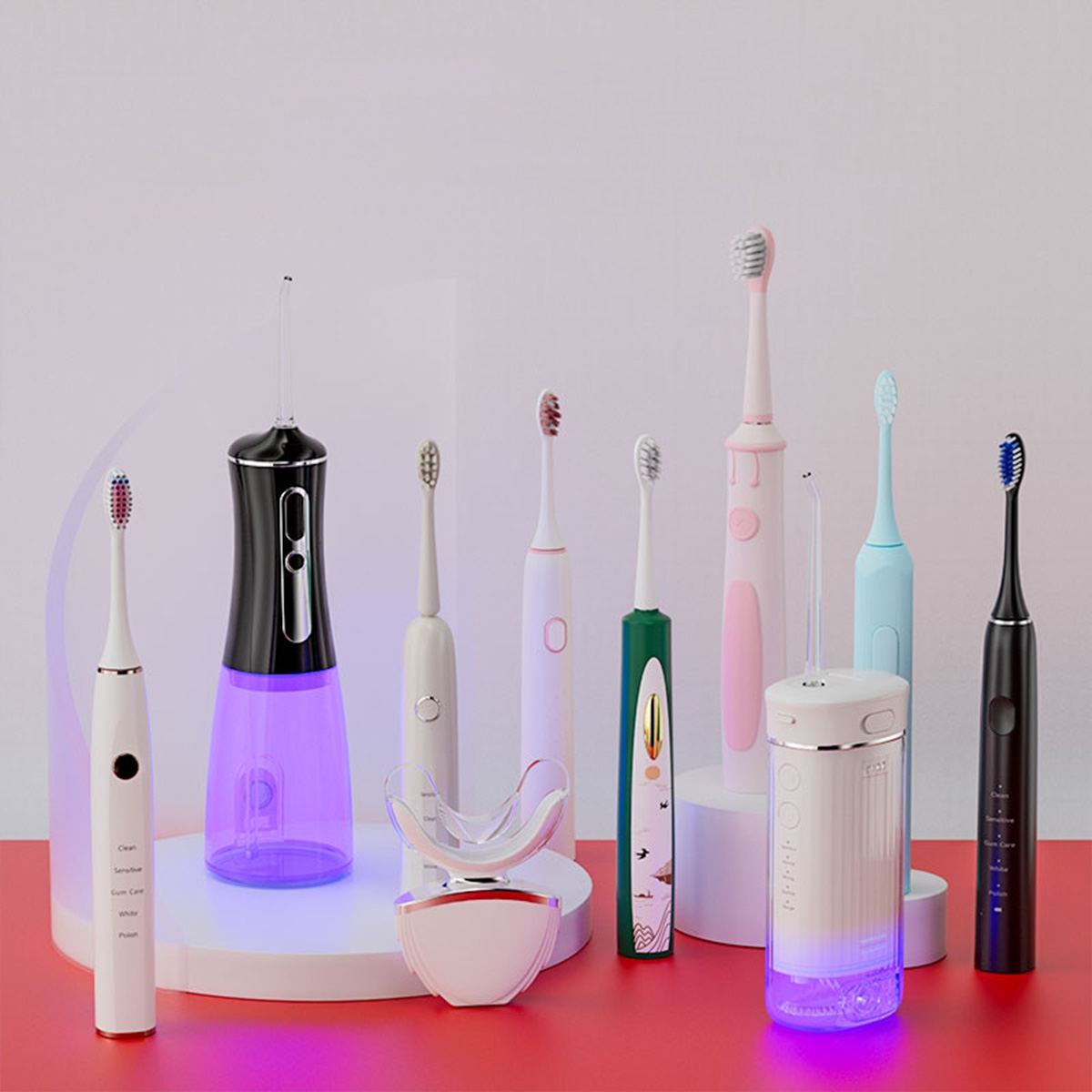
What Does the Doctor Think About the Use of Electric Toothbrushes and Water Flossers?
Discover a Great Reason to Switch to an Electric Toothbrush

Wireless vs. Contact Charging: Which Is Better for Electric Toothbrushes?
Looking for a smart toothbrush Austin that understands Austin tech brush innovation?


.jpg)
.jpg)
.jpg)
.jpg)
.jpg)



.jpg)

1-scaled.jpg)
.jpg)