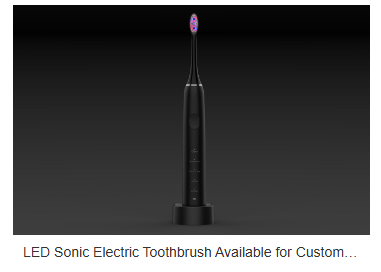
Manufacturers often position a Polish Mode as a premium, cosmetic feature. However, when designed as a system—motion profile, head geometry, compatible chemistry, sensing and validation—it can deliver visible surface brightening while preserving Enamel Protection. Below are six engineering- and commercialization-focused pillars that explain how to build a Polish Mode that’s both effective and safe for everyday use.
First, recognize the difference: safe polishing removes or reorients surface pellicle and chromogens (stains) through gentle micro-streaming and low-contact shear, whereas abrasion removes mineralized enamel. Therefore, a responsible Polish Mode increases surface shear and dwell on stained areas without raising contact force or abrasive point loads. In short, design for fluid-driven stain lift, not mechanical scraping, to preserve Enamel Protection.
Next, motion is the primary control knob. A well-engineered Polish Mode uses:
Moreover, the head translates motion into tissue interaction. Effective designs combine:
Furthermore, the toothpaste matters. Pair Polish Mode guidance with toothpaste recommendations that have moderate polishing agents and proven low abrasivity numbers (ask your chemistry partners for validated RDA-equivalent data). Conversely, disallow or warn against high-abrasivity powders or pastes that, when used with an active Polish Mode, could accelerate enamel wear. Clear packaging and IFU guidance prevent misuse and protect Enamel Protection claims.
Additionally, implement active protection:
Finally, validate thoroughly and keep claims conservative:
Conclusion:
A thoughtfully engineered Polish Mode can deliver visible surface brightening while maintaining strong Enamel Protection—but only when motion, head design, chemistry, sensing and validation are handled as an integrated product system. If you’d like, I can draft a one-page technical appendix (recommended waveform envelopes, head cross-section sketches, acceptable toothpaste abrasivity range, and a validation test matrix) to accelerate R&D and go-to-market planning. Contact us
.jpg)
.jpg)
.jpg)
Chip Overheating with Cavity Acceleration – Hidden Link?
Soft Bristle Sonic Toothbrush Factory
Does Dental Grade Whitening Necessitate the Use of Safe Whitening Ingredients?
Ergonomic Toothbrush Factory China – OEM & Bulk Supply
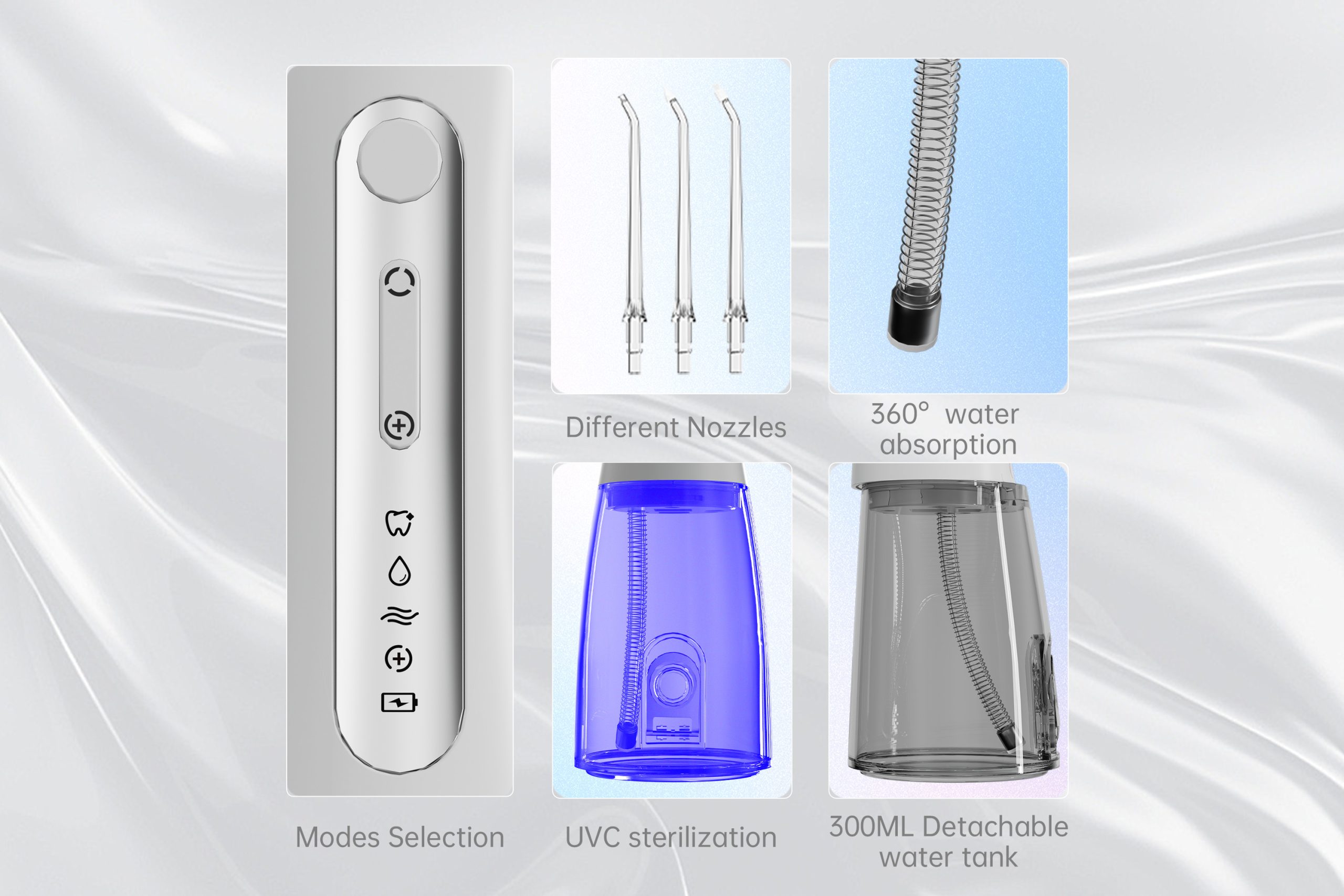
From the Perspective of Suppliers: How to Choose the Appropriate Water Flosser Pulse Frequency
Whitening for Coffee Breath
Simple One Button Electric Toothbrush for Senior Citizens Pune
Pressure Sensor Electric Toothbrush Factory
How to Choose Professional Electric Toothbrush Factory Customization Service?
Anti Slip Grip Electric Toothbrush OEM
Wholesale Water Flosser Supplier
Orthodontic Electric Toothbrush for Braces – Deep Cleaning Bristle Design

How to Ensure That a Factory’s Quality Control Process is Strict and Standardized
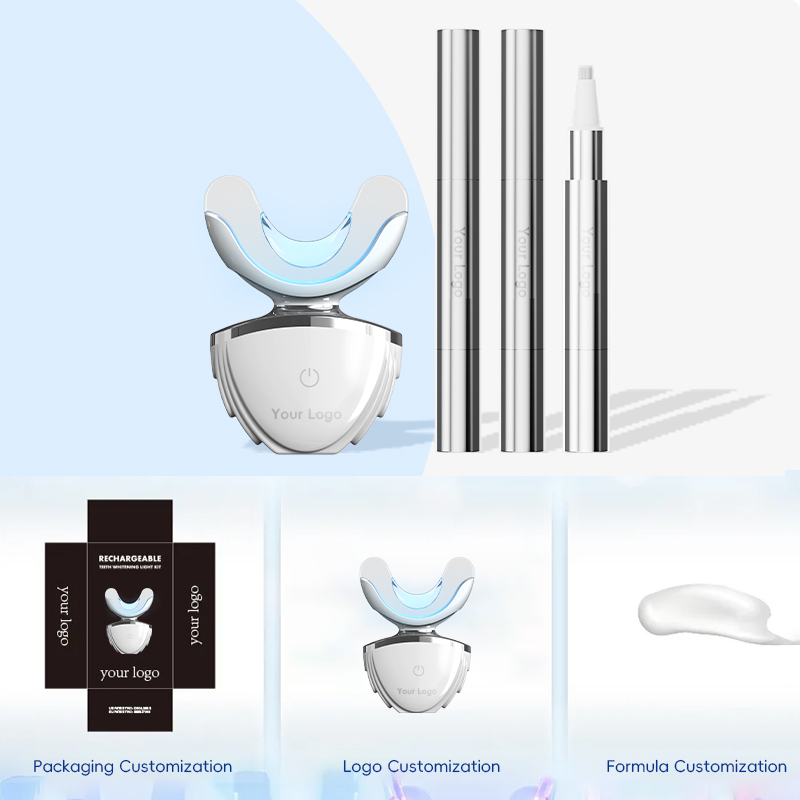
Tips to Select the Best Teeth Whitening Refill Kits Factories
Can Desensitizing Gel for Whitening Be Included in Dental Insurance Partnership Products?
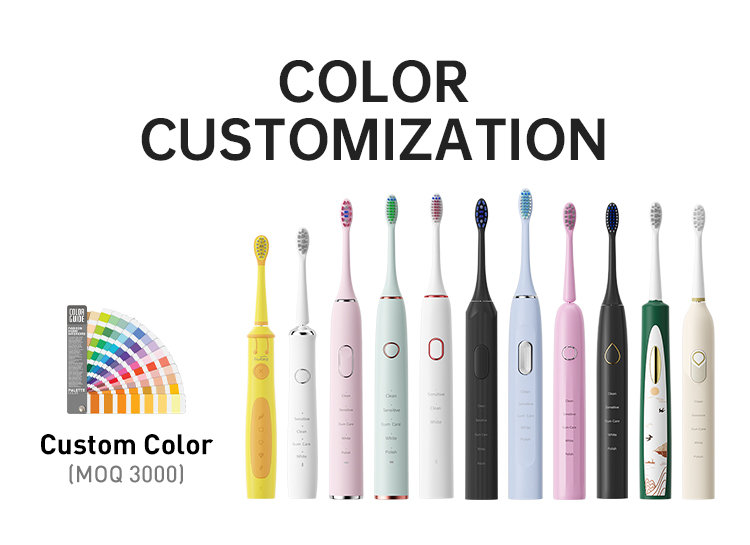
Should a Consent Management Platform Be Part of Your Privacy by Design Framework?


.jpg)
.jpg)
.jpg)
.jpg)
.jpg)