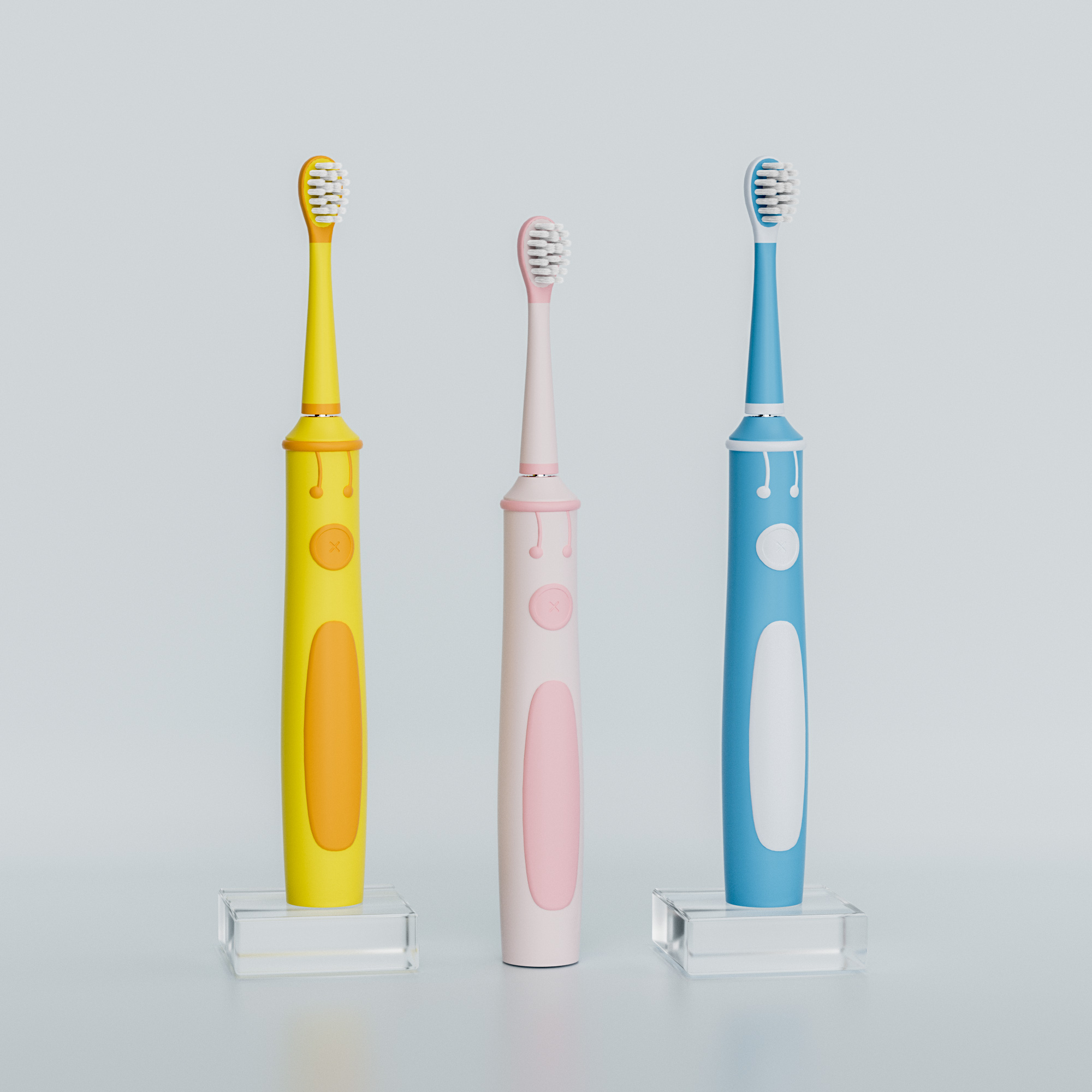
electric toothbrush motor type comparison OEM is a crucial topic for brands aiming to develop competitive oral care products. In modern product development, motor selection directly influences performance, durability, noise level, and user experience. Therefore, understanding different motor types is essential for OEM buyers and product managers.
Moreover, as the market becomes more competitive, choosing the right motor is no longer a technical detail. Instead, it is a strategic decision that affects brand positioning and customer satisfaction.
Traditionally, brushed motors have been widely used due to their low cost and simple structure. However, they tend to wear out faster because of physical contact between brushes and commutators.
In contrast, brushless motors offer longer lifespan and higher efficiency. Because there is no physical friction, durability is significantly improved. Additionally, noise levels are lower.
Furthermore, maglev motors represent a high-end solution. They provide ultra-smooth vibration and minimal noise. As a result, they are often used in premium products.
Sonic technology relies on high-frequency vibrations. This allows effective cleaning through fluid dynamics, not just direct contact.
First, vibration frequency determines cleaning efficiency. Higher frequencies generally lead to better plaque removal.
Secondly, motor lifespan is critical for long-term product reliability. Brushless and maglev motors outperform traditional options.
Additionally, quieter motors improve user experience. This is particularly important for premium positioning.
However, advanced motors come with higher costs. Therefore, brands must balance performance and budget.
Entry-level products may prioritize cost efficiency. In contrast, premium brands focus on performance and innovation.
Motor type can be used as a key selling point. For example, maglev motors can justify higher pricing.
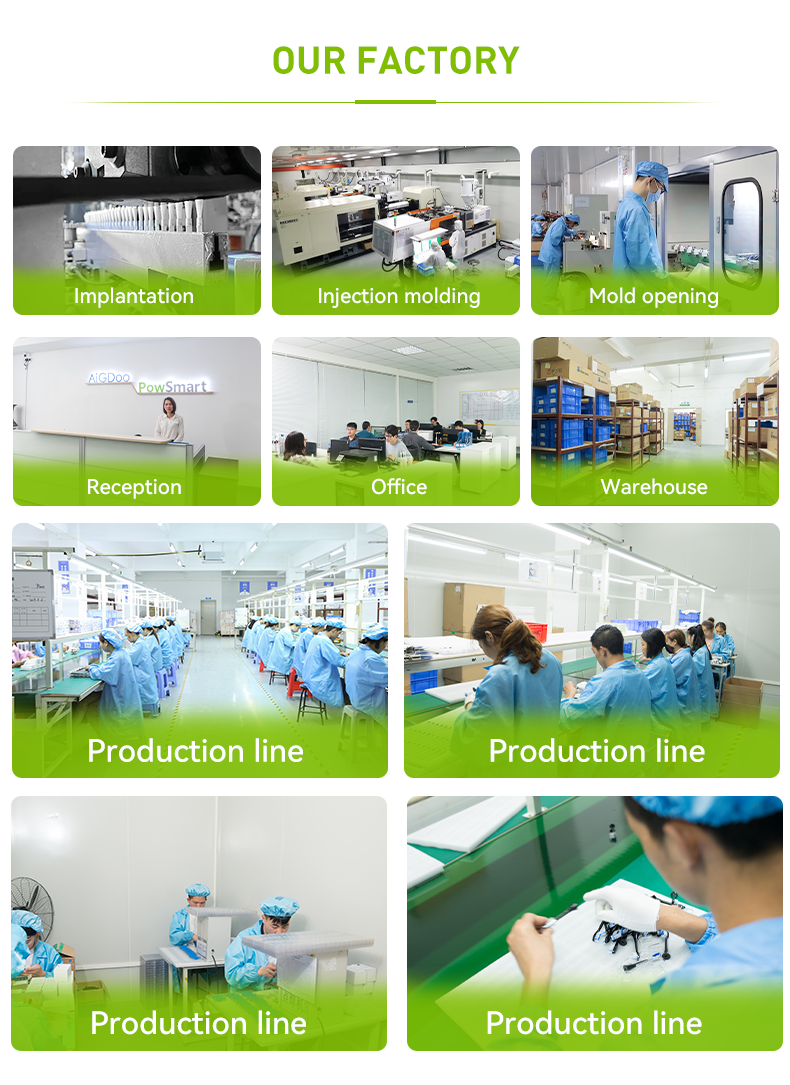
Reliable suppliers ensure consistent motor quality and timely delivery.
Explore motor-driven product solutions:
https://www.powsmart.com/electric-toothbrush/
Industry dental standards:
https://www.ada.org
AI-driven motor control systems are emerging. These systems adapt vibration based on brushing habits.
Low-power motors are becoming more important due to sustainability concerns.
Consumers increasingly value quiet and smooth operation.
In summary, electric toothbrush motor type comparison OEM is essential for optimizing product performance and market competitiveness. By selecting the right motor, brands can enhance user experience and achieve long-term
.jpg)
GERD Teeth Protection Guide: Brushing Strategies for Acid Reflux Sufferers
How Does Micro-molding for Nozzles Relate to Insurance Reimbursement Code Support?
Basil Pesto Teeth Stains | Whitening for Italian Food Lovers
DuPont Nylon Bristle Toothbrush OEM: Premium Material Selection for High-Quality Brush Heads
Pink Drink Teeth Whitening | Erase Raspberry Lemonade Fruit Pigment Stains
The process of brand owners customizing OEM whitening teeth Kit
How Can Predictive Demand Sensing Aid E-Waste Regulation Compliance?
How Teeth Whitening Devices Protect Dental Health and Enhance Smile Confidence
How many times a day is it recommended to use LED teeth whitening kits?
Electric Toothbrush Lifespan: What Affects Durability?
Developing an Ergonomic Handle Custom Molding with Specialized Gum Care Mode Programming?
The Influence of the Use of Oral Irrigators on Periodontal Health
wedding weekend smile guide: safe whitening plan
Are Cryogenic Treatment for Gears and Vacuum Brazing for Joints Necessary for Reliability?

Cordless Electric Toothbrush Supplier – Powsmart OEM & Global Wholesale
IPX8 Waterproof Electric Toothbrush: Reduce RMA


.jpg)
.jpg)
.jpg)
.jpg)
.jpg)