
When it comes to cosmetic dentistry, pregnancy contraindications are non-negotiable—and yet many patients overlook these guidelines and inadvertently expose themselves to chemical burns from whitening agents. As a B2B manufacturer, it’s vital to understand how hormonal changes, mucosal sensitivity, and agent potency intersect, so you can equip your channel partners with safe, compliant protocols.
First and foremost, hormonal fluctuations during pregnancy thin the oral mucosa and alter immune response:
Therefore, clear labeling and training on pregnancy contraindications are essential to both patient safety and regulatory compliance.
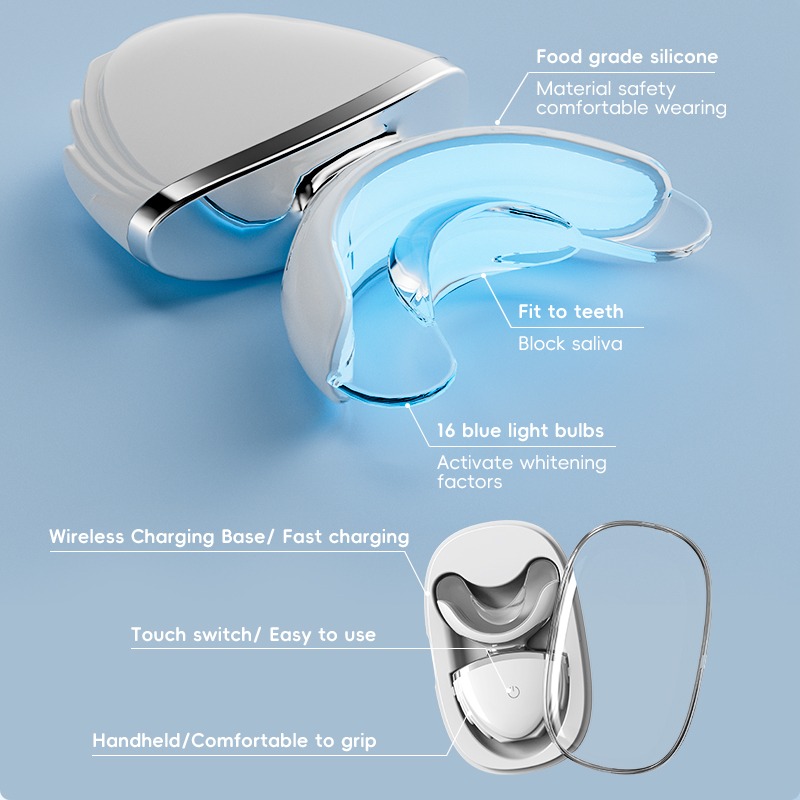
Next, understanding how bleaching gels cause chemical burns helps refine safe formulations:
Optimizing gel buffer systems and enforcing strict timing protocols can mitigate these risks.
Moreover, manufacturers can reformulate to balance efficacy with gentleness:
These adjustments preserve whitening power while minimizing burn potential. Company web:https: //www.powsmart.com/product/electric-toothbrush/
In addition, clear user guidance reduces misuse:
Combining visual cues with digital support reinforces best practices in real time.
Furthermore, B2B partners must be fully briefed to counsel end-users properly:
Equipping channels with both knowledge and resources ensures professional, consistent messaging.
Finally, integrate adverse-event feedback into your quality loop:
A data-driven QA process not only reduces chemical burns but also strengthens partner trust in your brand.
Conclusion
Adhering to pregnancy contraindications and minimizing chemical burn risk are fundamental to safe, effective whitening. By optimizing formulations, enhancing packaging and user instructions, empowering channel partners, and closing the QA loop, B2B manufacturers can deliver whitening solutions that uphold both patient well-being and regulatory standards. Contact us to learn how we can help you implement these best practices and elevate your product portfolio.
.jpg)
.jpg)
Battery Corrosion + Charger Incompatibility — What’s Next?
.jpg)
Does a Clinic strength brush qualify as an India medical toothbrush standard?
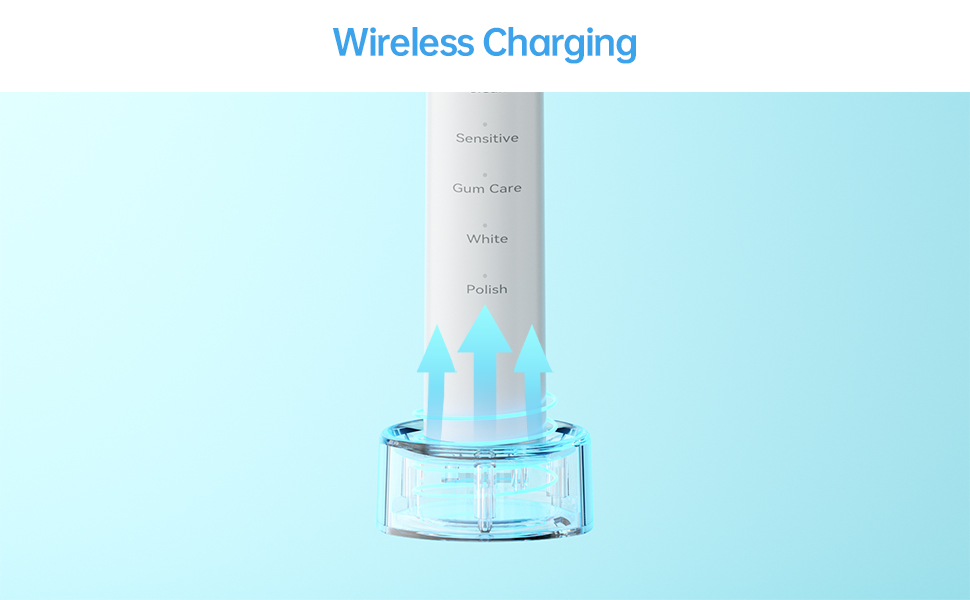
The Pros and Cons of Wireless Charging in Electric Toothbrushes
.jpg)
Gentle Oral Care Products for Sensitive Gums: A Guide for Brands Seeking the Right Manufacturer
Why Home Treatments Risk Stain Residuals?
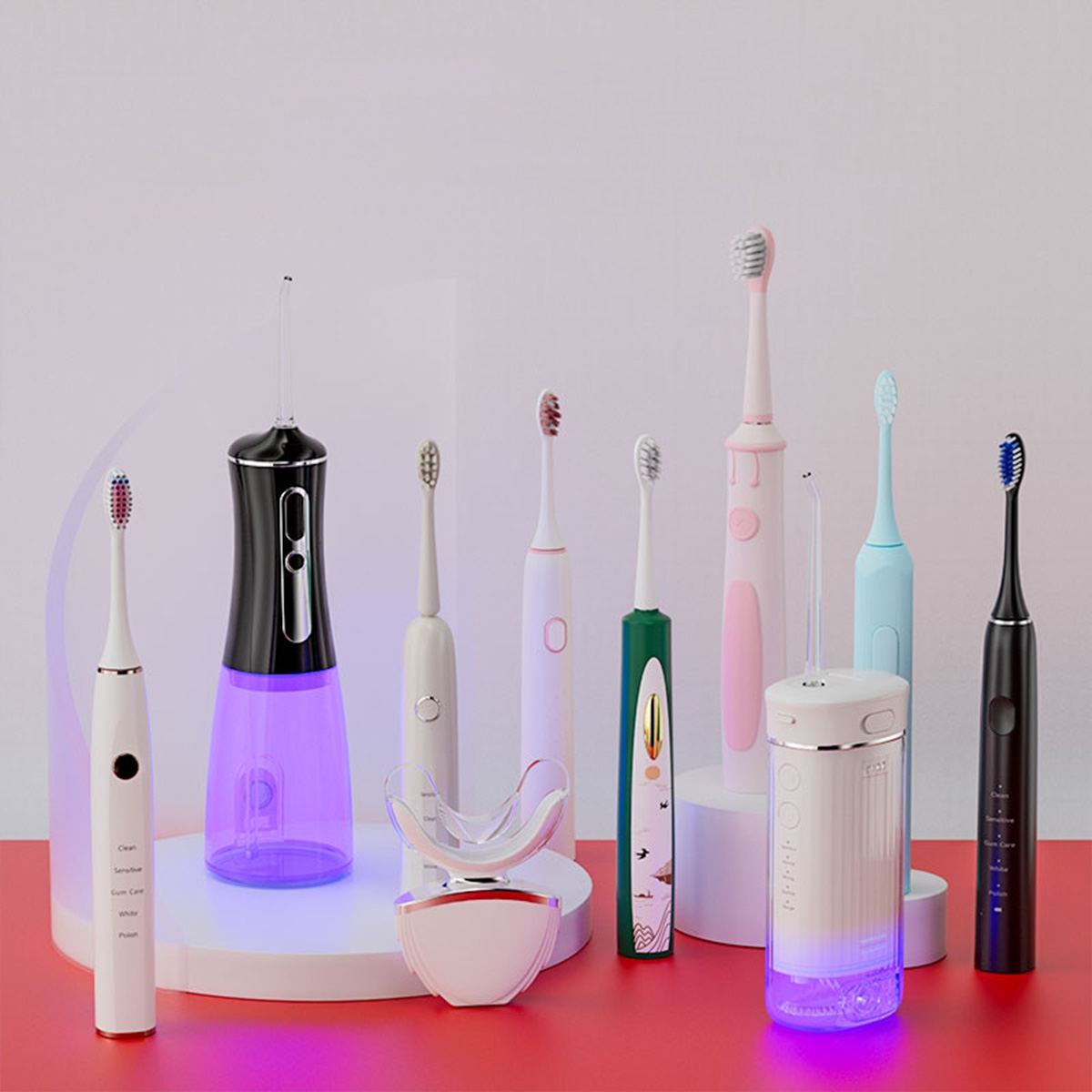
Oral Care Design for Women: Women Are the Main Consumers of the Oral Care Market
.jpg)
Why Boston clinic recommended brushes help Boston sensitive gums
Does UV Sterilization Risk Outweigh Travel Case Defects?
Can Child Lock Failure Exacerbate Tongue Cleaner Abrasion?
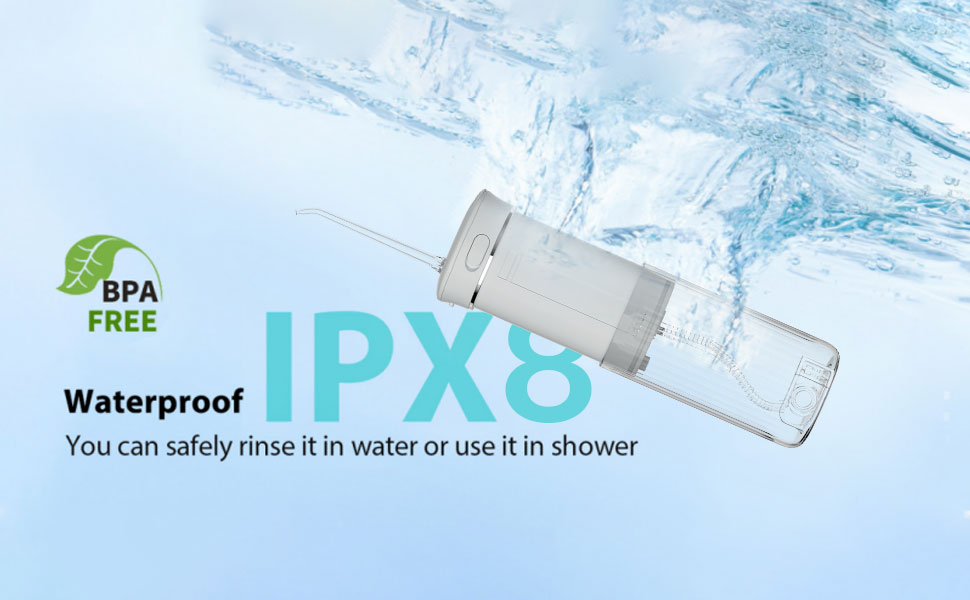
Waterproof Design Flaws of IPX7 Water-Resistant Water Flossers: Solutions to Seal Ring Aging and Water flosser Ingress Failures
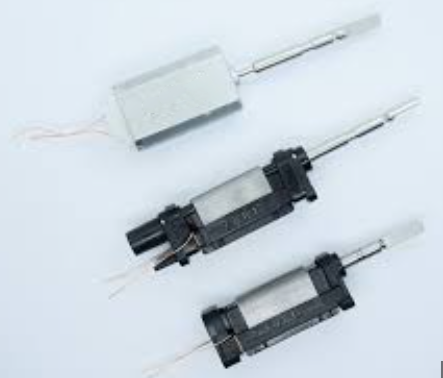
Sonic Toothbrush Motor Comparison: Magnetic Levitation vs. Traditional Motors

Light Therapy in Dentistry: The Rise of LED Teeth Whitening Systems
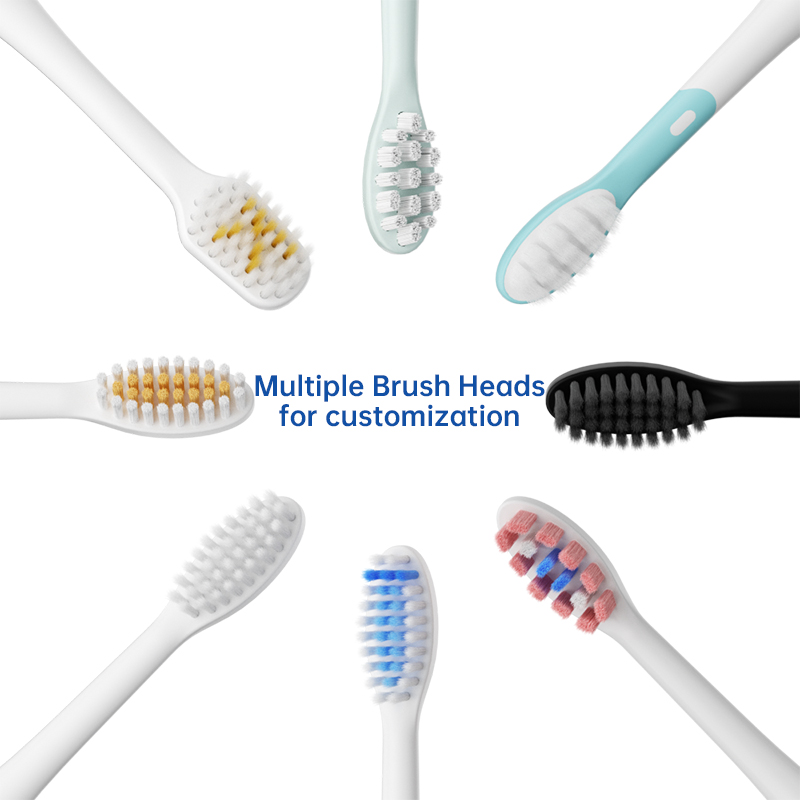
Is a Compact Electric Toothbrush Ideal for Boston Dorms?

Electric Toothbrush Manufacturing Process
Executive Gift Electric Toothbrush Box Set for Diwali
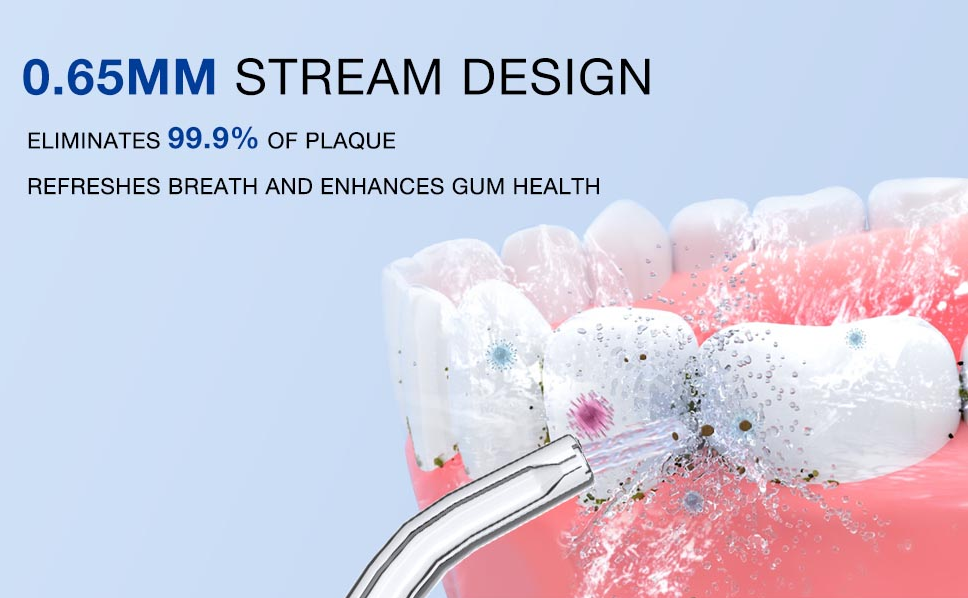
1200 vs 1800 water flosser pulse/Minute: Which Water Flosser Pressure Setting Works Best for Plaque Removal Without Gum Irritation?


.jpg)
.jpg)
.jpg)
.jpg)
.jpg)



.jpg)