
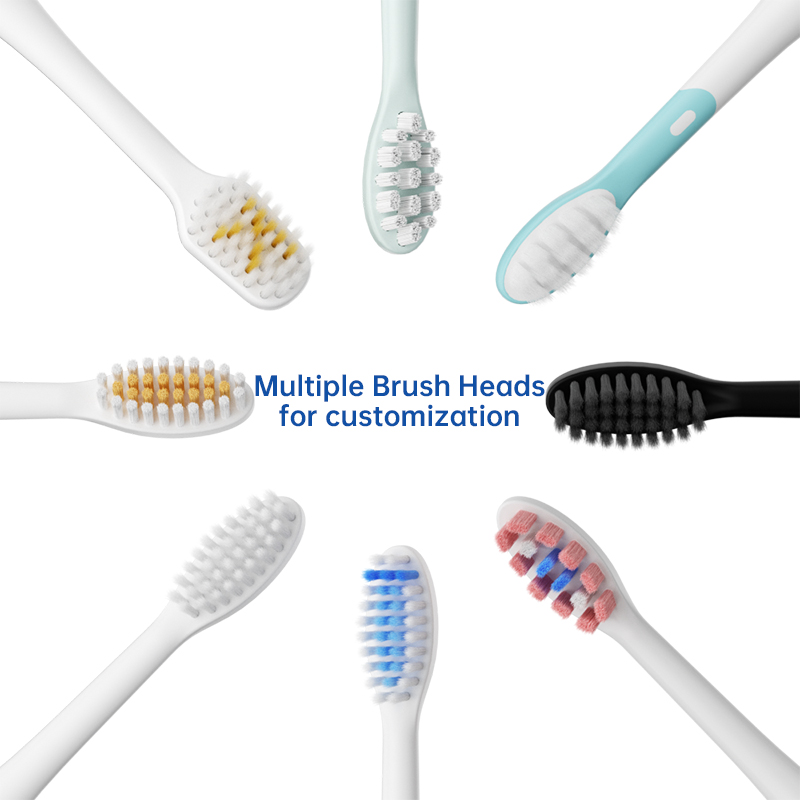
In the competitive oral-care market, electric toothbrush brands are constantly seeking ways to improve performance, build loyalty, and differentiate from the crowd. One of the most effective yet often overlooked approaches is improving the durability of the brush head. By collaborating with an experienced OEM partner, brands can extend brush head life, reduce product failures, and elevate customer satisfaction.Below, we explore six strategic areas where OEM cooperation delivers long-term value. Material Innovation for Improved Product Durability High-quality bristle fibers, advanced TPE materials, and reinforced internal structures all play a decisive role in improving product durability. OEM manufacturers with strong R&D capabilities can recommend materials that prevent early deformation, fraying, or detachment—significantly helping brands extend brush head life without raising consumer costs excessively. Structural Optimization Supported by OEM Engineering Behind a long-lasting electric toothbrush head is precise engineering. OEM suppliers provide structural analysis, torque simulation, and stress-testing during development. These engineering insights help optimize neck flexibility, bristle tuft patterns, and joint stability. Such refinements form a core OEM strategy that enhances usage comfort while ensuring the brush head withstands long-term mechanical stress. Consistent Quality Control for Reliability Extending the lifespan of brush heads demands consistent quality across every production batch. Professional…
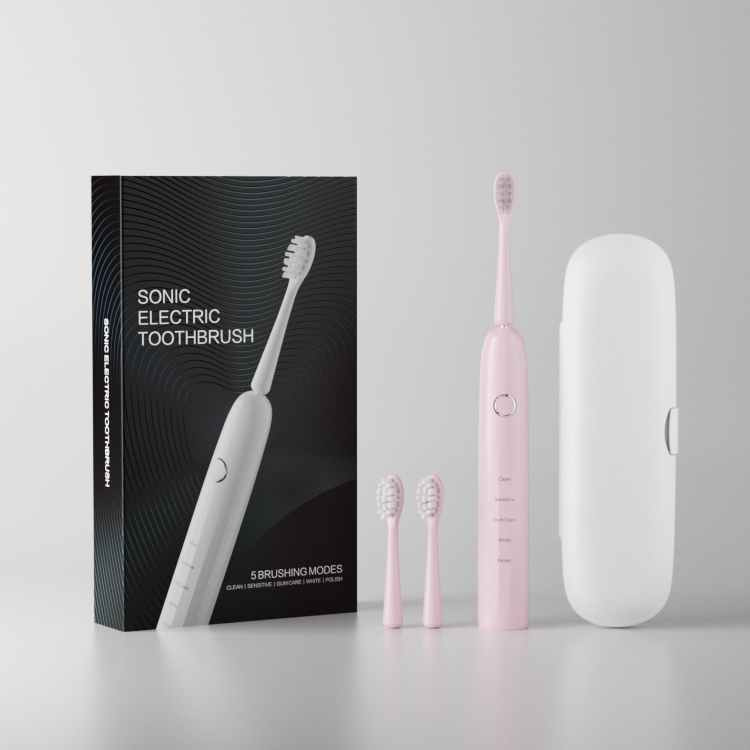
As more consumers travel internationally, oral-care brands are receiving a rising number of questions about compatibility—especially from users who want to charge a UK electric toothbrush in the USA. The challenge highlights a critical product-development priority: Universal Charging Solutions that works seamlessly across global markets.For brand owners looking to differentiate their next-generation electric toothbrush, partnering with an OEM factory that understands global electrical standards is essential. Below, we explore how your product can avoid customer frustrations and stand out in international distribution. Understanding the Challenge: UK vs. USA Charging Standards UK electric toothbrushes typically use 220–240V mains voltage, while outlets in the USA operate at 110–120V. Traditional chargers designed for a single region often fail when used abroad, leading consumers to pack travel adapters, voltage converters, or—worse—leave their toothbrushes uncharged. For brands, this creates avoidable customer complaints and limits expansion into new markets. Why Universal Voltage Charging Is Now the Industry Standard Modern oral-care brands increasingly adopt universal voltage charging (100–240V) as a baseline requirement.Advantages include: Compatibility with power systems worldwide Improved user experience for cross-border customers Simplified manufacturing and inventory Reduced need for separate SKUs Leading OEM manufacturers now offer universal charging modules that support inductive, USB-based, or wireless charging…
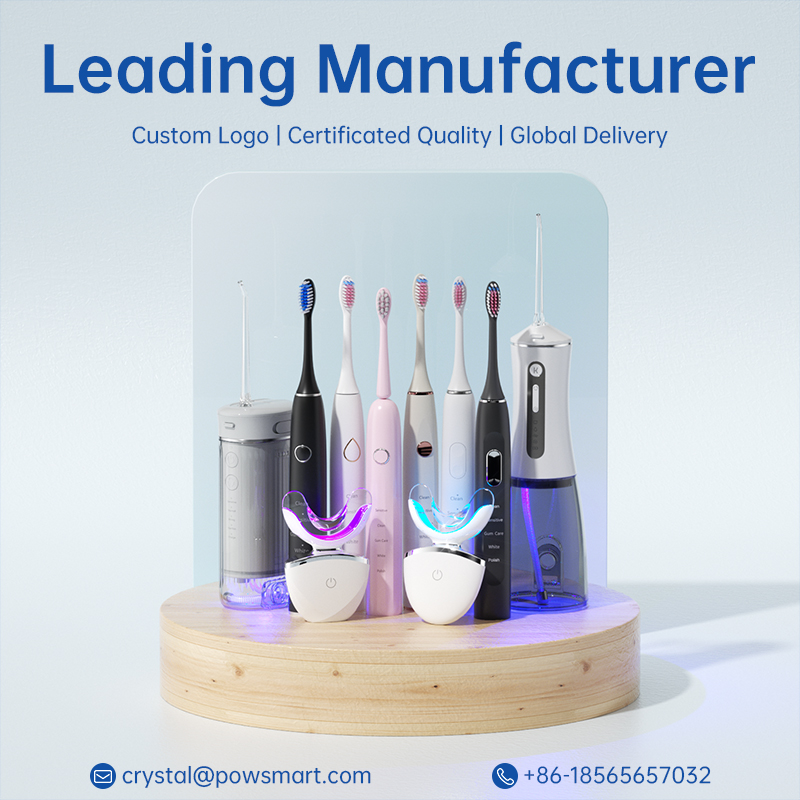
In an increasingly competitive oral-care market, brands exploring new product lines often ask one core question during development: Do all electric toothbrushes use the same charger? The short answer is no—and this difference opens important opportunities for brand positioning, cost control, and ecosystem thinking. For companies partnering with OEM/ODM factories, understanding charging compatibility is a strategic advantage rather than a technical detail. Below is a six-section deep dive designed to help oral-care brands build smarter products, reduce manufacturing friction, and design a stronger product ecosystem. Why Charging Compatibility Matters More Than Ever Electric toothbrushes have evolved rapidly, and so have charging systems—USB direct charging, inductive base charging, magnetic chargers, and proprietary fast-charge docks.Because not all electric toothbrushes share the same charger, brands must consider: Replacement part sales User convenience Cross-product compatibility Long-term cost of tooling For brands, charger choice is not simply engineering—it's part of the overall OEM strategy. Understanding Today’s Electric Toothbrush Charger Standards While some markets lean toward USB-C or wireless inductive systems, others remain open to brand-specific formats. OEM factories typically support: Shared charger platforms (e.g., USB-C, inductive Qi-style coils) Custom chargers for higher water-resistance or brand-exclusive design Low-cost legacy chargers for entry-level SKUs Each impacts unit…
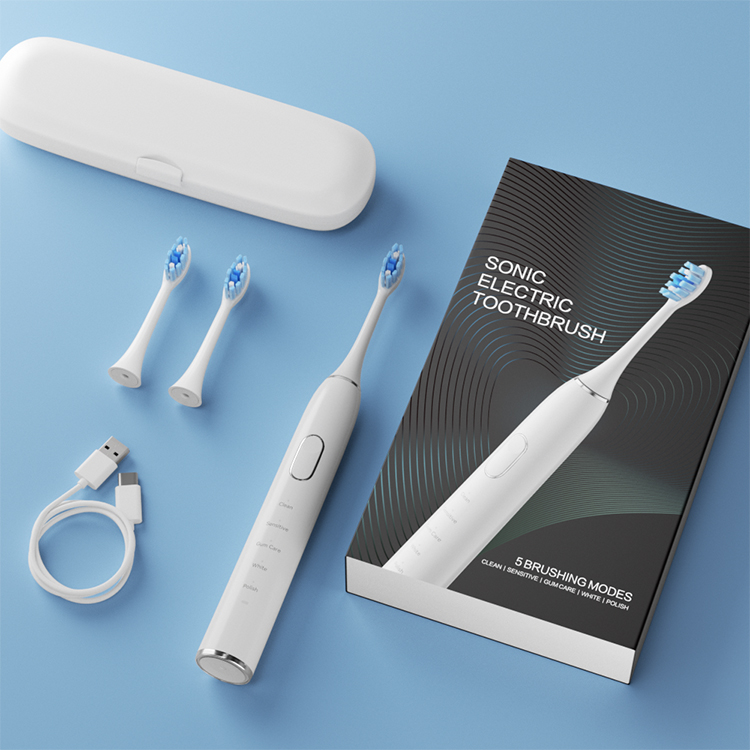
Electric toothbrushes have become a must-have in personal oral care—but when it comes to selecting or replacing an electric toothbrush charger, many brands and consumers are unsure what type they actually need. As an OEM factory specializing in oral-care electronics, we frequently answer questions from global brands about compatibility, charging efficiency, safety standards, and customization options. Below, we break down the key points every oral-care product brand should know when choosing the right charger for their electric toothbrush project. Understanding How Electric Toothbrush Chargers Work Most modern electric toothbrushes rely on inductive charging, a method that transfers energy wirelessly through electromagnetic fields.This type of charger provides distinct advantages: Waterproof and safe for bathroom environments Simple “drop-to-charge” design Compatible with various toothbrush handle shapes No exposed metal contacts For brands developing a new model or updating an existing one, understanding inductive charging is essential for optimizing design and manufacturing costs. What Makes a Charger “Compatible”? A compatible charger must match several technical parameters of the toothbrush: Voltage & current output Coil alignment & charging frequency Base and handle design fit Charging efficiency expectations An OEM factory evaluates these factors and helps ensure that the charger and the brush body work seamlessly…
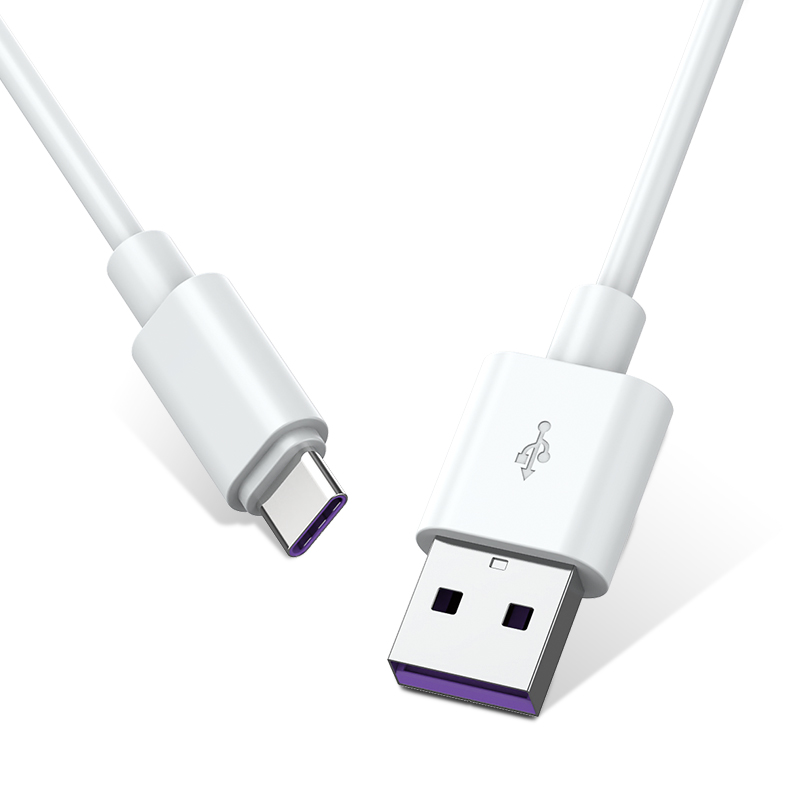
As consumers increasingly adopt fast-charging ecosystems for their smartphones and wearables, they now expect the same convenience from their oral-care devices. For electric toothbrush brands, this shift prompts an important question: How can we ensure fast charger compatibility without compromising product safety and stability? Manufacturers must evaluate voltage thresholds, current fluctuations, and conversion efficiency. Brands looking for OEM technical insight should prioritize partners capable of developing adaptive charging modules. That safely negotiate power with various USB-C or Qi-based chargers. Core Engineering Challenges in Modern Electric Toothbrushes Electric toothbrushes are no longer simple vibration-based devices—they are compact, high-frequency machines powered by increasingly sophisticated power-management systems. Ensuring reliable performance requires precise calibration of motors, sensors, and charging circuits.>A qualified factory understands how these systems interact and can help brand owners make data-driven decisions when choosing motor speed ranges, torque output, waterproof grading, and control logic integration. Battery Lifespan as a Competitive Differentiator Battery longevity directly affects user satisfaction and brand reputation. Many brands worry about premature battery degradation.>Manufacturers with strong OEM technical insight can design custom BMS (Battery Management Systems). Which is optimized to extend battery lifespan by controlling charging profiles, monitoring temperature, and preventing over-stress during high-current input.>Selecting the right battery…
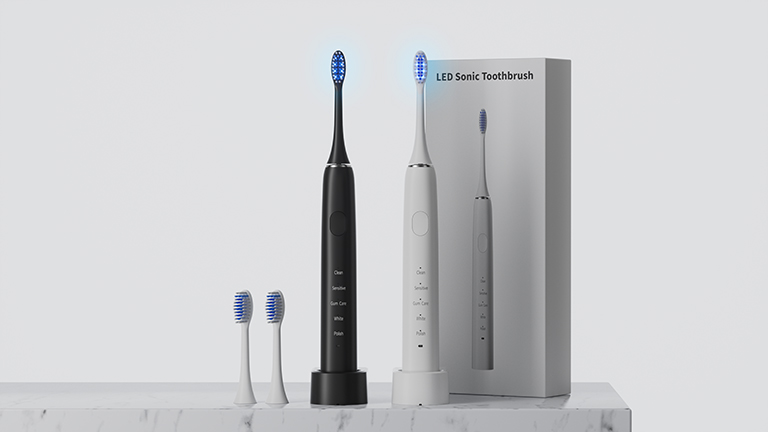
In the electric oral care market, partnering with a reliable Toothbrush Battery Supplier is essential for brands aiming to deliver a truly Long-Lasting Toothbrush. Battery performance determines not only brushing efficiency but also product longevity, safety, and overall consumer satisfaction. For manufacturers and distributors, choosing the right battery supplier directly impacts product reputation and long-term market growth. Stable Power Output for Consistent Brushing Performance A dependable battery supplier ensures stable, high-quality cells that deliver consistent voltage output. A Long-Lasting Toothbrush depends on predictable motor performance, which is only possible when powered by reliable, well-tested battery components. Extended Battery Life to Meet Consumer Expectations Today’s consumers expect weeks of use from a single charge. A professional Toothbrush Battery Supplier provides high-density, low-degradation battery cells designed for extended cycles. This delivers longer usage intervals, contributing to superior user satisfaction and fewer complaints. Safety Compliance and Protection Mechanisms Battery safety is non-negotiable. Quality suppliers integrate essential protections such as overcharge prevention, temperature control, and short-circuit safeguards. Such safety mechanisms are crucial for electric oral care devices and help ensure the toothbrush complies with global safety standards. Custom Battery Specifications for Different Toothbrush Models Each electric toothbrush model may require unique battery sizes, capacities,…
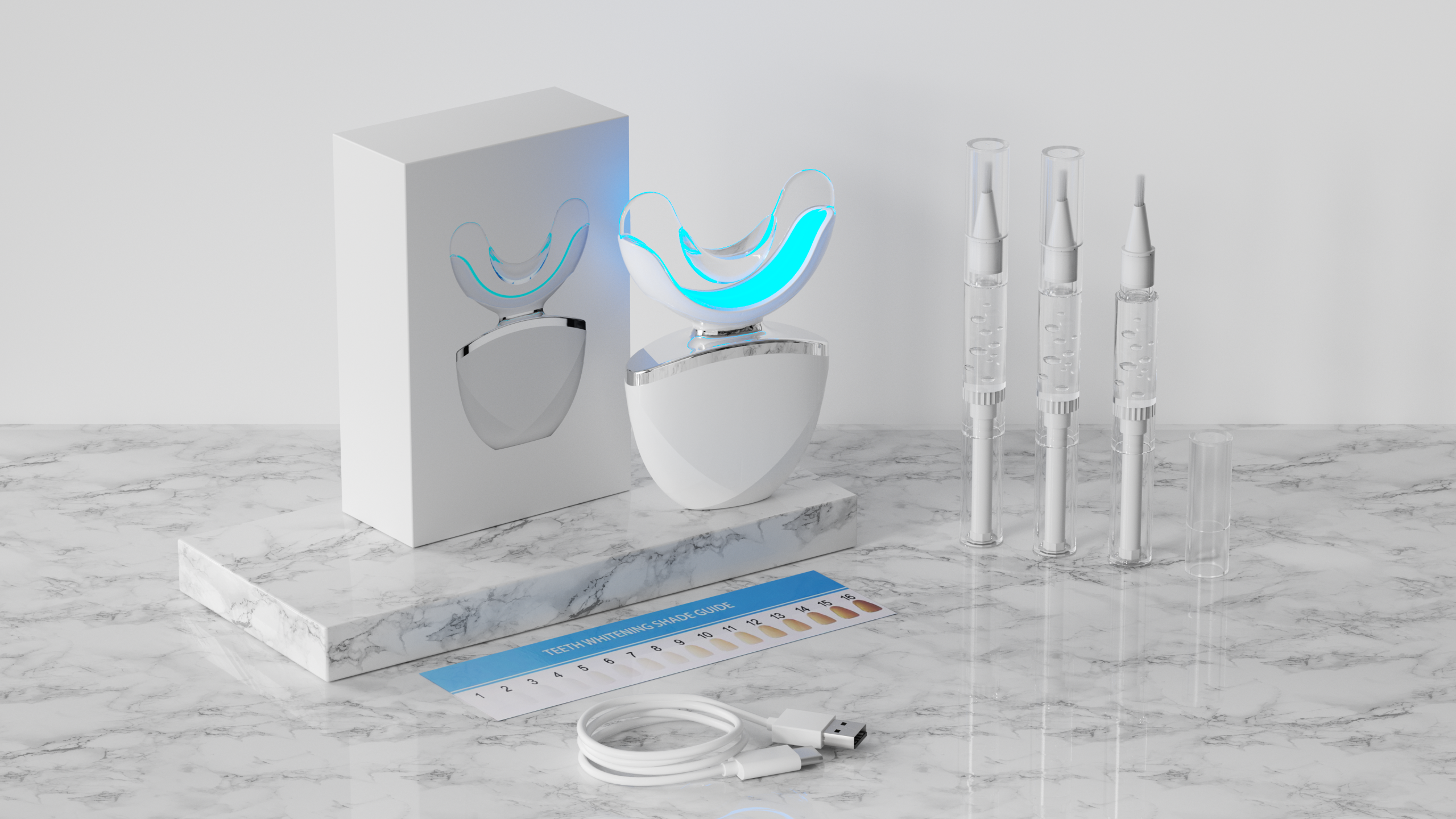
As global demand for cosmetic oral care continues to rise, a professional Teeth Whitening Supplier plays a critical role in ensuring that every whitening product meets the necessary Whitening Kit Certification standards. Certification is essential not only for regulatory compliance but also for consumer trust, product safety, and long-term brand credibility. For distributors, retailers, and OEM partners, working with a supplier that prioritizes certification guarantees a safer and more reliable whitening experience for customers. Strict Ingredient Compliance With International Regulations A reputable Teeth Whitening Supplier carefully selects and tests all ingredients to meet regional regulatory requirements such as FDA, CE, CPNP, or ISO standards. For Whitening Kit Certification, suppliers must verify peroxide concentration limits, gel composition, and safety thresholds to ensure products are safe for both professional and at-home use. Comprehensive Safety and Stability Testing To secure certification, whitening gels, LED lights, trays, and applicators undergo extensive laboratory testing. This includes stability testing, microbial analysis, material safety evaluations, and irritation assessments. A reliable supplier ensures that each component meets the safety criteria needed for Whitening Kit Certification, ensuring consistent performance throughout the product’s shelf life. Documented Quality Control Throughout Production Certification requires traceability and strict quality documentation. Leading suppliers use…
.jpg)
As the demand for advanced oral care devices increases, Water Flosser Design continues to evolve, with a growing emphasis on user comfort and functionality. One key feature that has gained significant attention is the Ergonomic Flosser Handle. Integrating an ergonomic handle into water flosser designs not only enhances comfort during use but also provides a more efficient and pleasant experience for consumers. This innovation helps address the growing consumer desire for high-quality, user-friendly dental tools that promote long-term oral health. Improving Comfort and Reducing Hand Strain One of the primary benefits of an Ergonomic Flosser Handle is the reduction in hand strain during use. Traditional water flossers often feature bulky, hard-to-grip handles, which can make extended use uncomfortable for consumers. By designing a handle that fits comfortably in the hand and allows for a natural grip, manufacturers can help users maintain control and comfort during their daily oral care routines. This is particularly important for consumers with arthritis or other hand conditions. Enhancing Precision and Control in Water Flow A well-designed Ergonomic Flosser Handle enhances the user’s ability to control the flow of water and the angle of the flosser. With the right design, the handle allows for precise adjustments,…
Teeth whitening remains one of the fastest-growing categories in the oral-care market. Consumers want brighter smiles—but not at the cost of sensitivity or enamel damage. For brands preparing to launch new whitening products or looking for a trustworthy OEM manufacturer, understanding the safest whitening approaches is essential to creating formulas that win consumer trust. Below, we break down the six key factors to help you determine the safest teeth whitening method and how the right manufacturing partner can support product success. Prioritizing Enamel Protection The safest whitening solutions are designed to protect enamel first. Damage to enamel is irreversible, making it crucial for whitening agents to use controlled concentrations and stabilized ingredients. A professional OEM partner can help you balance whitening efficacy with enamel-safe formulations. Choosing Gentle Whitening Technology Modern gentle whitening technology focuses on slow-release active ingredients, non-abrasive formulations, and hydrating agents that minimize sensitivity. This is ideal for brands targeting consumers with sensitive teeth or first-time whitening users. Your OEM manufacturer’s R&D capabilities play a major role in developing such advanced formulas. Using Clinically Tested, Dental-Safe Products Today’s market favors dental-safe products backed by clinical studies and safety certifications. Partnering with an OEM facility that follows international quality…
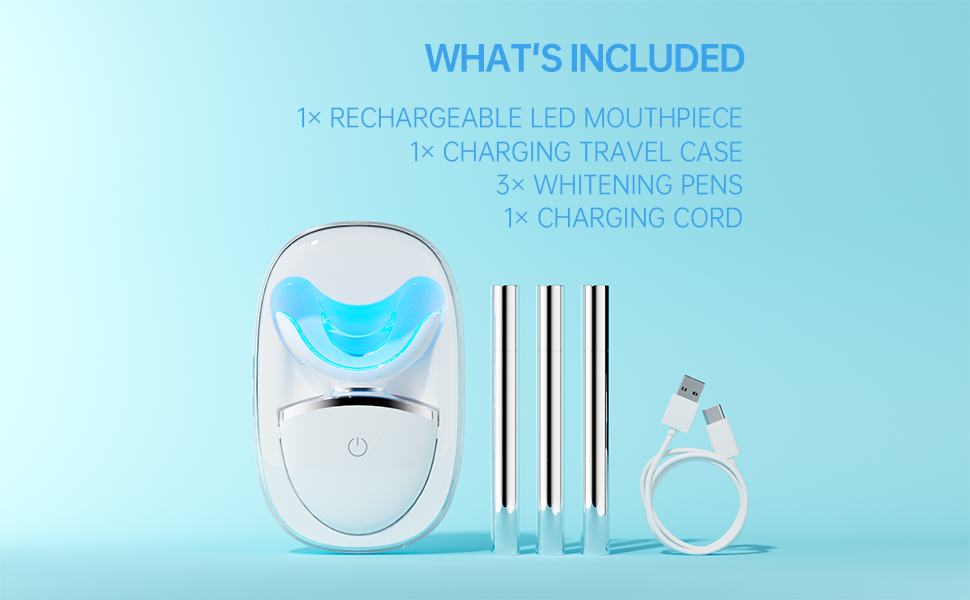
In the rapidly expanding oral-care market, demand for LED teeth whitening kits continues to grow as consumers seek convenient, safe & effective solutions for brighter smiles. For brand owners, the biggest opportunity lies not only in product innovation but also in choosing an OEM partner capable of delivering quality, reliability, and long-term scalability. The right manufacturer can dramatically enhance your product value, accelerate market entry, and strengthen brand differentiation. Below are six essential considerations to guide oral-care brands in selecting the best OEM partner for LED teeth whitening kits. Evaluate Technical Expertise in LED Whitening Technology Your OEM partner should have proven experience in light-activated whitening systems. This includes knowledge of LED wavelength optimization, heat management, and compatibility with various gel formulations. Technical expertise ensures the final product is both safe & effective while meeting industry expectations for whitening performance. Ensure Compliance With International Safety and Quality Standards Regulatory compliance is non-negotiable in oral-care manufacturing. Confirm that your manufacturer adheres to ISO, CE, FDA, and related cosmetic or medical-device guidelines. This safeguards consumer trust and positions your LED teeth whitening kits for global distribution without unnecessary delays. Assess Customization Capabilities to Strengthen Product Value A strong OEM partner should offer…
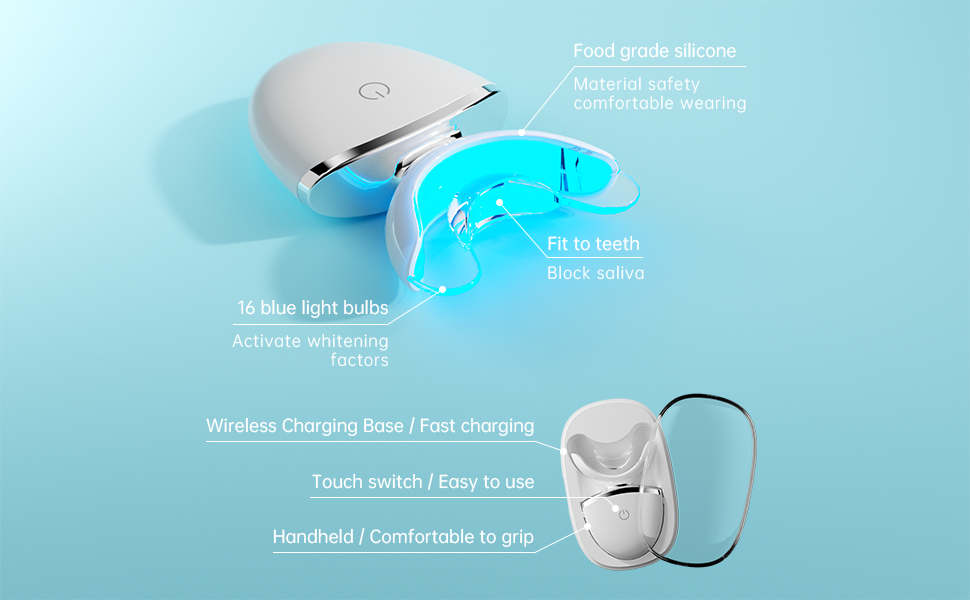
As the global beauty and oral-care markets continue to expand, LED teeth-whitening products have become one of the fastest-growing categories for brands looking to introduce high-impact innovations. For companies exploring OEM partnerships, understanding how to build an effective and affordable product is key. Below, we break down the essential factors that influence OEM LED teeth-whitening kit costs and reveal how brands can leverage innovation—without overspending. Understanding What Drives OEM LED Teeth Whitening Kit Costs Before partnering with a manufacturer, brands must understand the core elements that influence OEM kit cost. These typically include: LED device type (mouthpiece LEDs, wavelengths, battery vs. USB) Gel formulation and concentration Packaging style and customization level Certifications and compliance testing Order volume and production timelines This breakdown helps you compare suppliers more effectively and ensure you’re receiving competitive pricing without sacrificing quality. Balancing Innovation With Affordability Innovation doesn’t have to come with a high price tag. Many manufacturers now offer modular components, customizable formulations, and standardized LED designs that reduce development fees. Brands can achieve truly affordable LED whitening solutions by selecting cost-efficient materials and opting for proven device structures rather than reinventing from scratch.The goal: premium results without premium costs. Choosing the Right OEM…
whstapp
whstapp
National Toll-Free Service Hotline
+86 755 86238638

.jpg)
.jpg)
.jpg)
.jpg)
.jpg)






.jpg)
.jpg)