The demand for quieter personal care devices is rising rapidly. The keyword low noise toothbrush for night use OEM reflects a growing niche: consumers who brush late at night, live in shared spaces, or prioritize comfort.
Therefore, noise control has become a key differentiator rather than a secondary feature.
Noise typically comes from:
As a result, reducing noise requires a system-level approach.
Noise levels are measured in decibels (dB):
Therefore, OEM buyers targeting premium markets should aim below 55 dB.
Key strategies include:
Consequently, smoother motion reduces vibration and sound.
In addition, internal component layout plays a crucial role.
Therefore, silent operation improves usability significantly.
Quieter products are perceived as:
One challenge is maintaining cleaning efficiency while reducing noise. Therefore:
Low-noise solutions increase cost. However:
Important steps include:
Moreover, consistent production standards ensure reliability.
Check quiet models here:
https://www.powsmart.com/electric-toothbrush/
For sound standards:
https://www.iso.org/
In addition, combining low noise with premium design enhances appeal.
In conclusion, low noise toothbrush for night use OEM represents a growing niche with strong potential. Therefore, OEM buyers should invest in silent technology, as it enhances user experience and supports premium positioning.
.jpg)
An Essential Ingredient for Success in the Dental Care Brand Business
.jpg)
Why Optimize Light Diffusion Lens Design Based on Peroxide Decomposition Rate?
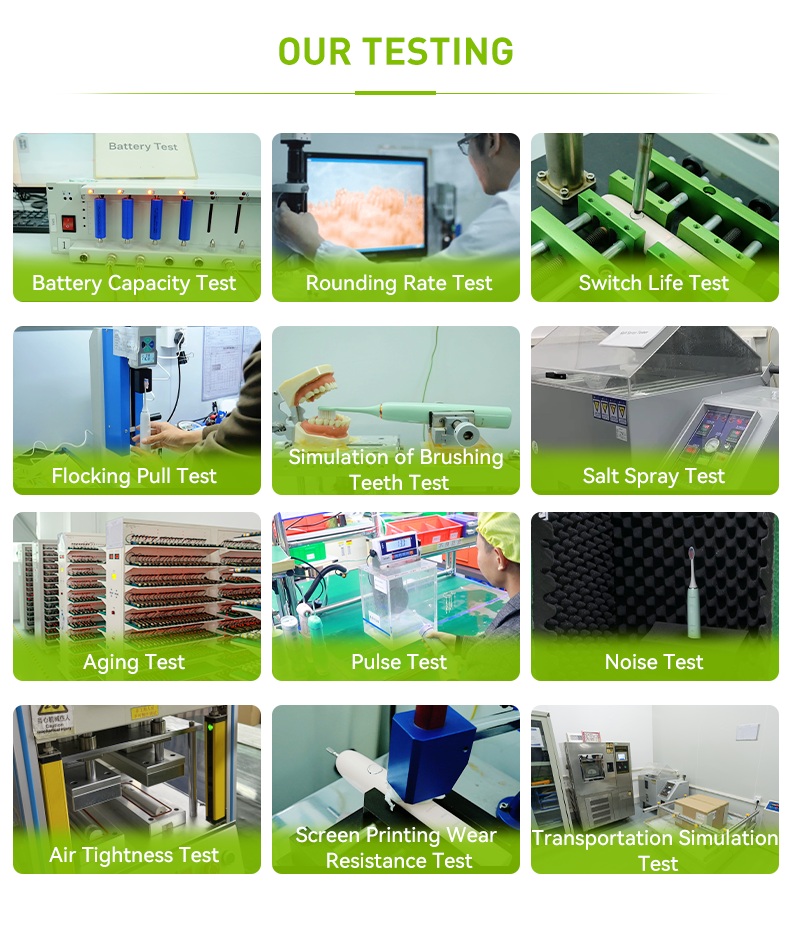
How Can Federated Learning for Oral Health Improve Your Oral Health Digital Twin Models?

Can a Quiet Pump Rotor System Be Connected with a Medical Polymer Tube for Safe Flossing?
.jpg)
Romantic Teeth Whitening Guide | Valentine’s Day
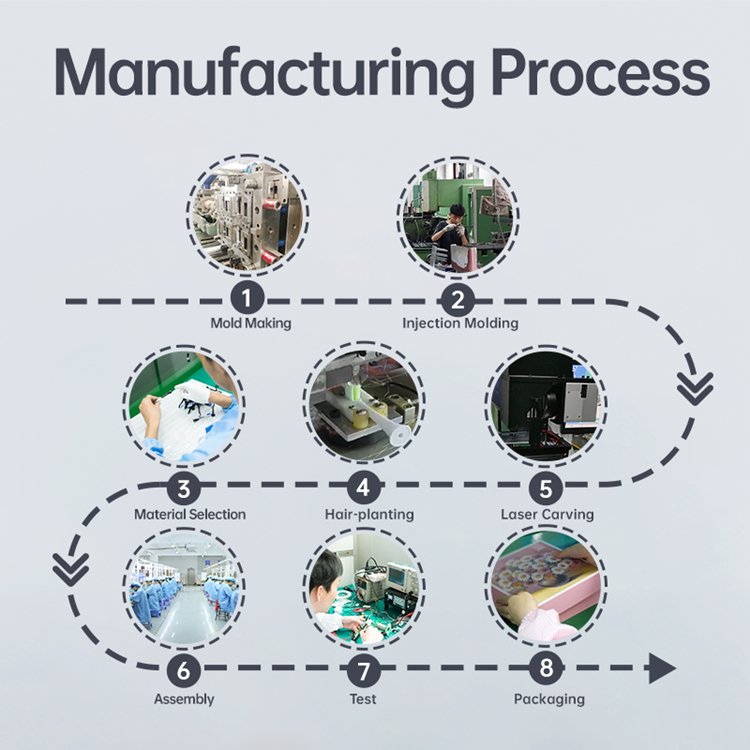
Do Your Toothbrush OEM ODM Services Include Smart Toothbrush App Development?
Electric Toothbrush Packaging Supplier
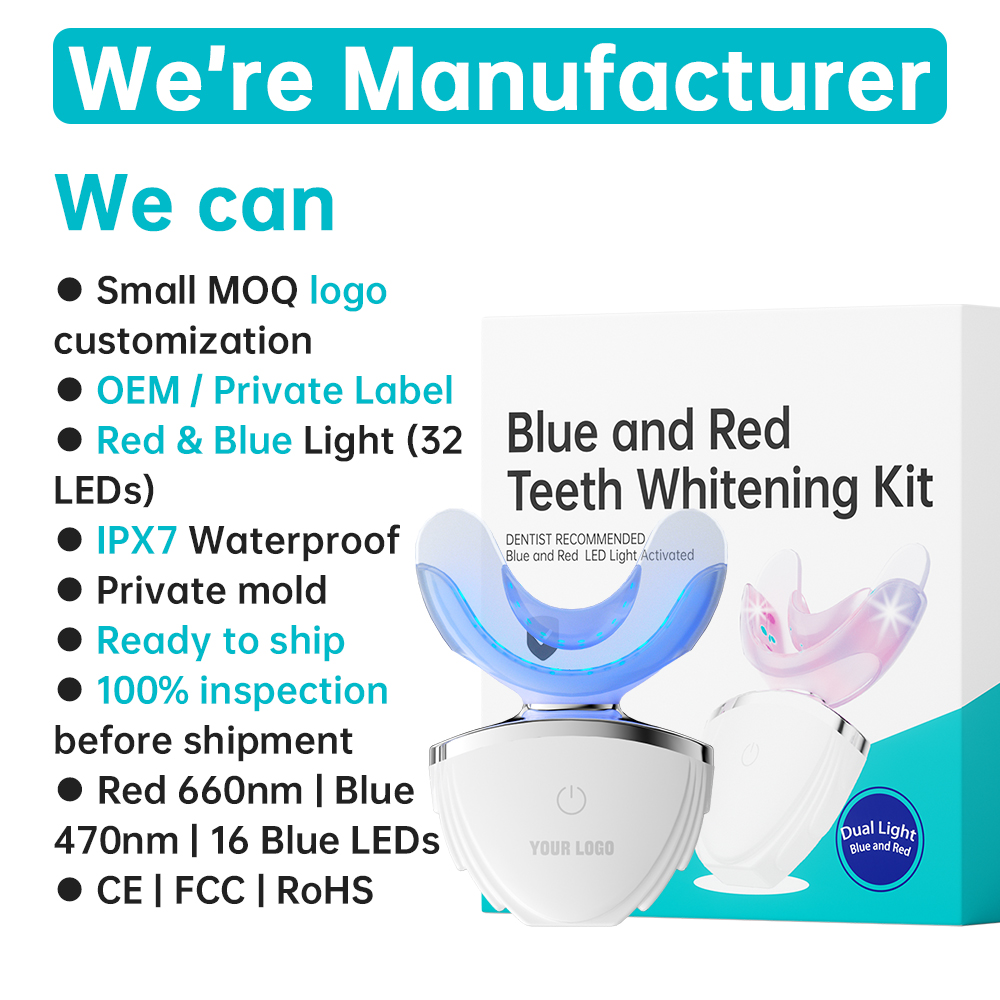
Source a Magnetic Charging Dock Supplier and Integrate a Smart Timer Chip Toothbrush into Your Lineup?
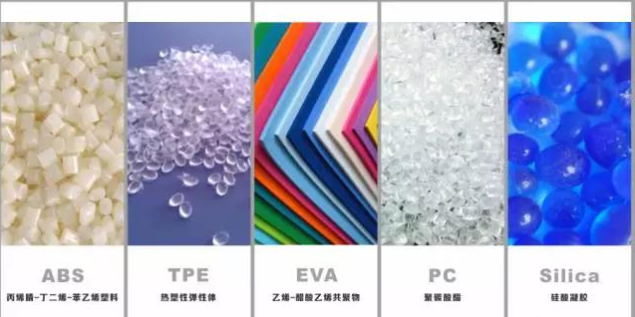
Oral Care Products CPSR Material List: Ensuring Safety and Compliance
Does Your Companion Mobile App SDK Include a Cross-Device Sync Protocol?
High Frequency Sonic Toothbrush Factory: OEM Manufacturing & Performance Guide
LED Electric Toothbrush OEM Manufacturing Solutions
Enamel Hypoplasia Whitening Guide | Safe Approaches for Thin Enamel
Could a Negotiation AI Agent Finalize Terms for Smart Contract Procurement Autonomously?
Wind Instrument Oral Care | Electric Brushing Plan for Professional Brass & Woodwind Musicians
Whitening for Coffee Breath


.jpg)
.jpg)
.jpg)
.jpg)
.jpg)