
When developing oral care products, one critical factor that cannot be ignored is durability in humid environments. The keyword electric toothbrush waterproof for bathroom use is not only a functional requirement but also a major selling point in global markets. Bathrooms are high-moisture environments, and consumers expect their devices to perform reliably under splashes, steam, and even accidental immersion.
Therefore, for OEM buyers, selecting the right waterproof solution is not optional—it is a baseline requirement for market entry.
To begin with, waterproof capability is usually measured using IP (Ingress Protection) ratings. Common standards include:
Most mid-to-high-end electric toothbrushes adopt IPX7 or IPX8 standards. As a result, OEM buyers targeting Europe or the US should prioritize IPX7 minimum.
IPX7 offers a balance between cost and reliability. On the one hand, it ensures safe bathroom use. On the other hand, it keeps manufacturing complexity manageable.
Furthermore, many certifications and retailers require this level as a baseline.
Waterproof performance depends heavily on sealing structures:
In addition, precision assembly is essential. Even small gaps can compromise waterproof integrity.
Besides external sealing, internal components must be protected:
Consequently, a good supplier will design both external and internal protection systems.
High-quality molds ensure tight-fitting parts. Therefore, factories with advanced injection molding capabilities are preferred.
Key steps include:
Moreover, consistent QC procedures reduce defect rates significantly.
Consumers increasingly use electric toothbrushes in showers. Therefore:
In addition, waterproof products reduce after-sales issues, which is critical for brand reputation.
When selecting a supplier:
For example, you can explore product solutions here:
https://www.powsmart.com/electric-toothbrush/
For regulatory understanding, refer to:
https://www.ada.org/resources/research/science-and-research-institute
In conclusion, electric toothbrush waterproof for bathroom use is no longer optional but essential. It impacts product reliability, user experience, and brand positioning. Therefore, OEM buyers should prioritize waterproof engineering from the early development stage.
.jpg)
Dizziness Brushing Guide | Seated Forward-Eyes Electric Brushing For Vertigo Patients
High Frequency Sonic Toothbrush Technology
LED Light Toothbrush OEM Customization: Product Differentiation Guide
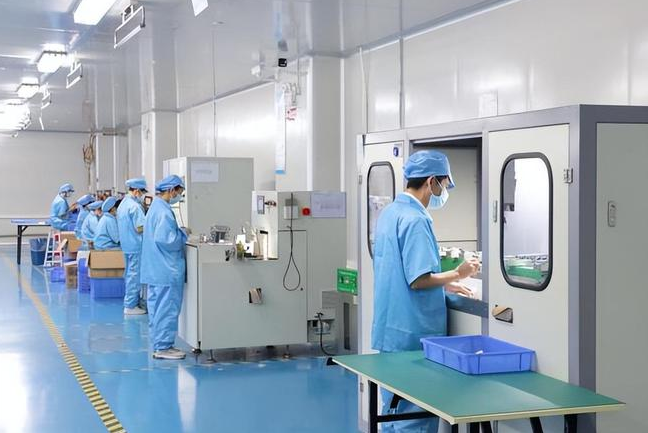
Water Flosser Quality Control and Inspection Process
Pigmented Cancer Flosser | Gentle Water Flossing for Oral Melanoma Patients
vitamin deficiency teeth whitening: realistic goals
Sync Disruption Causing Taste Alteration – Tech Glitch?
High Frequency Sonic Toothbrush for Advanced Oral Cleaning
Dad Teeth Whitening Guide | Pre-Father’s Day Smile Prep
Portable Water Flosser Factory | Powsmart OEM
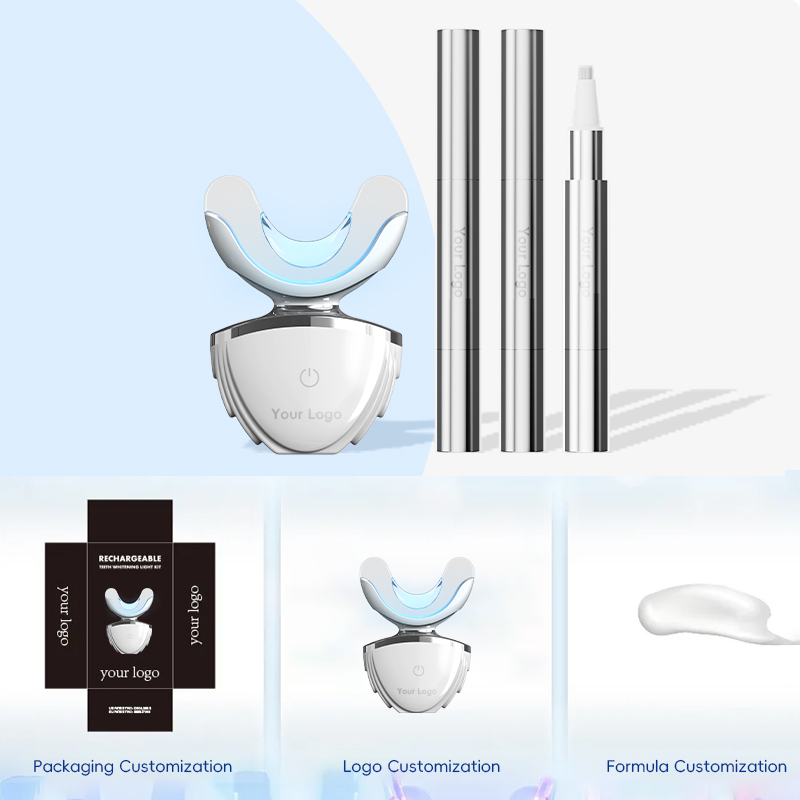
What is Teeth whitening LED light? Is it useful?
Water Flosser Additive Safety Guide: Which Solutions Are Safe?
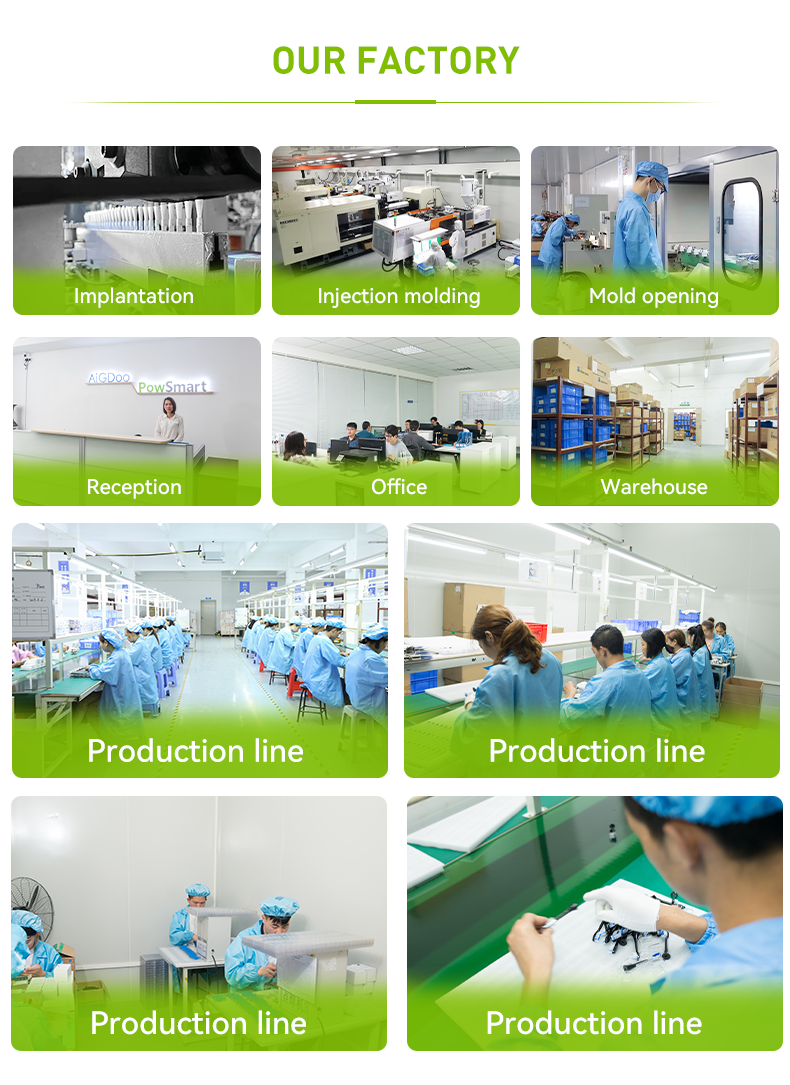
Need Interdental Brush Refill Packs for Human Use or Veterinary Oral Care Products for Pets?
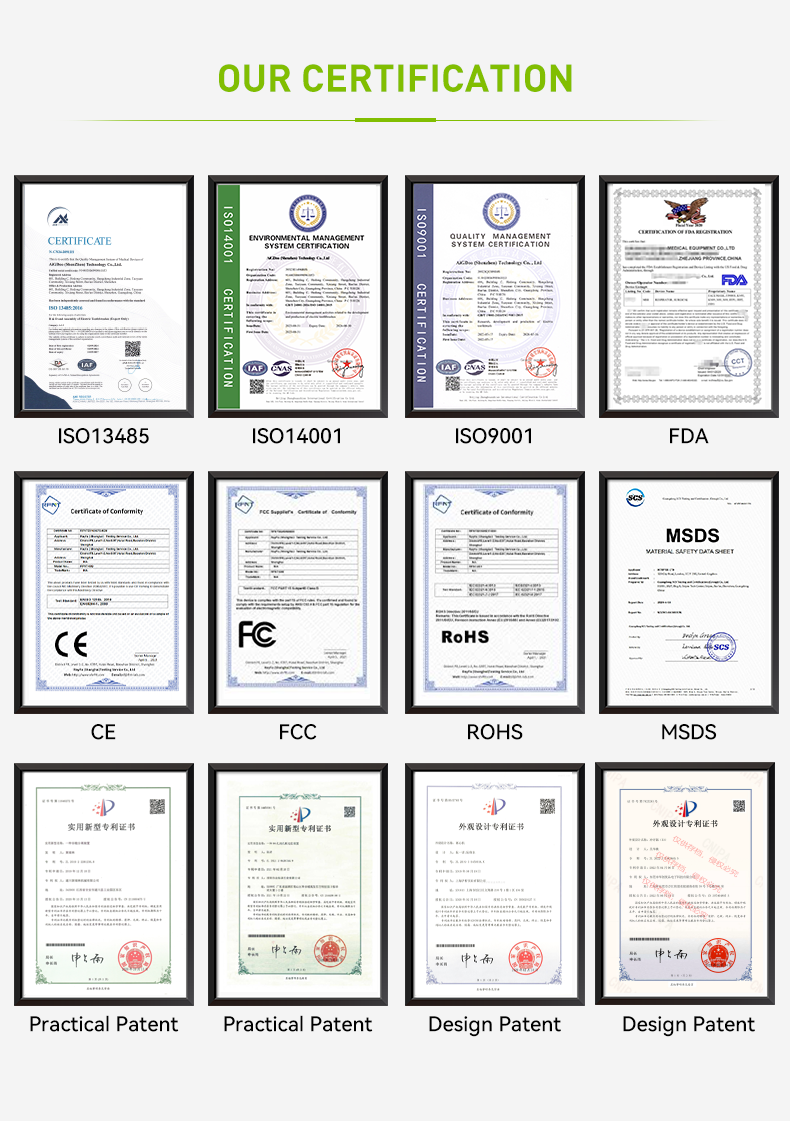
How Does Your Whitening Gel OEM Formula Achieve FDA-cleared Whitening Gel Status?
-1-scaled.png)
How Red Light Therapy Boosts Gum Health in Advanced Oral Care Products
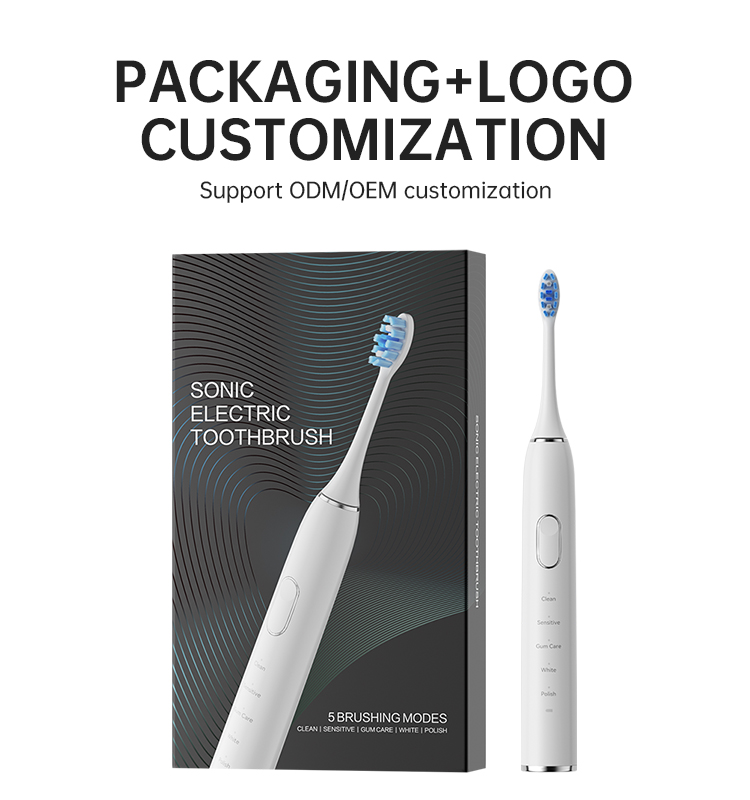
Why Use Cavitation Cleaning Technology in a Gingival Sulcus Cleaner for Professional Oral Care?


.jpg)
.jpg)
.jpg)
.jpg)
.jpg)



.jpg)
.jpg)