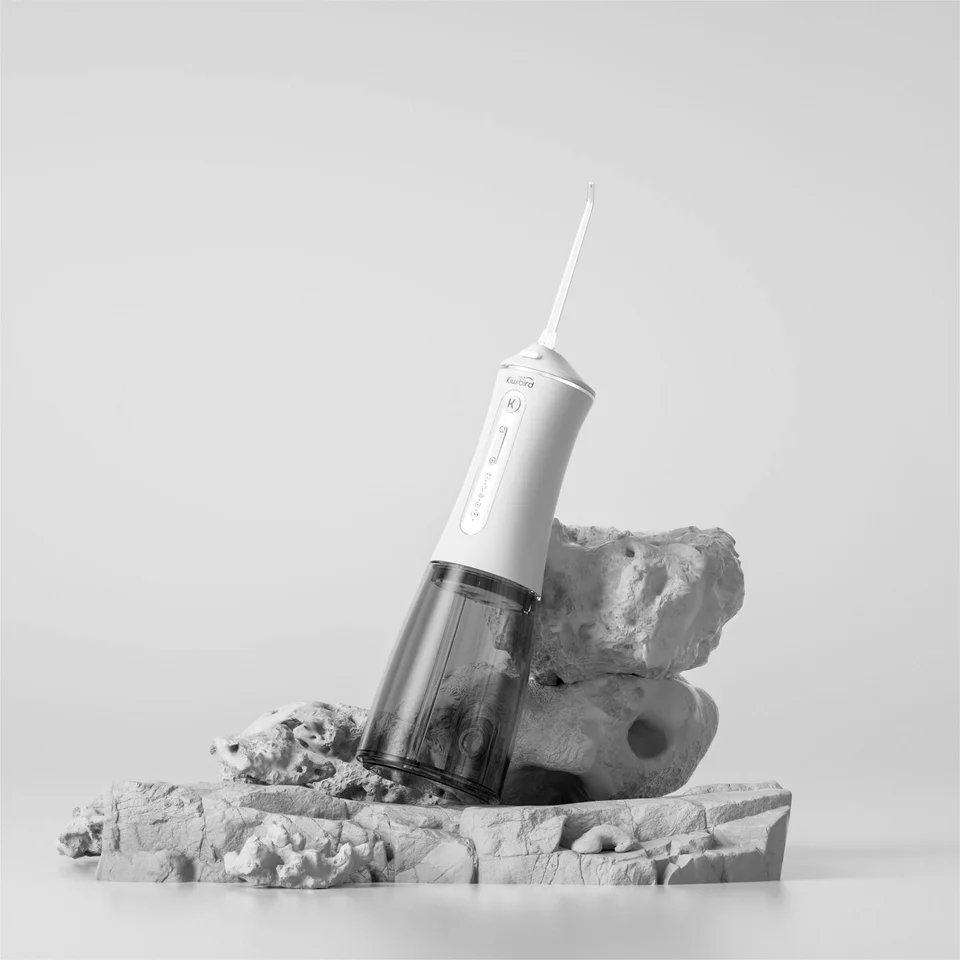
In the competitive world of oral care, staying ahead requires not only innovation but also professional validation. Water flossers have become a must-have in modern oral hygiene routines, and insights from dental hygienists provide valuable direction for OEM brands aiming to create market-leading products. This blog explores dental hygienist water flosser perspectives and delivers key insights for OEM product development that can guide brands in finding the right manufacturing partner and designing products that stand out.
Many dental hygienists recommend water flossers as a complement—or in some cases an alternative—to traditional string floss. Clinical studies and professional oral care advice highlight that water flossers are effective in removing plaque, reducing gum inflammation, and improving compliance among patients. For OEMs, this endorsement translates into a growing consumer demand that manufacturers must meet with reliable, high-quality solutions.
From a hygienist’s perspective, the following design elements influence whether a water flosser is truly effective:
Adjustable water pressure for different gum sensitivities.
Portable and ergonomic design for convenience.
Easy-to-clean reservoirs and hygienic nozzles.
These factors represent product development insights that OEM brands should prioritize when working with factories or R&D teams.
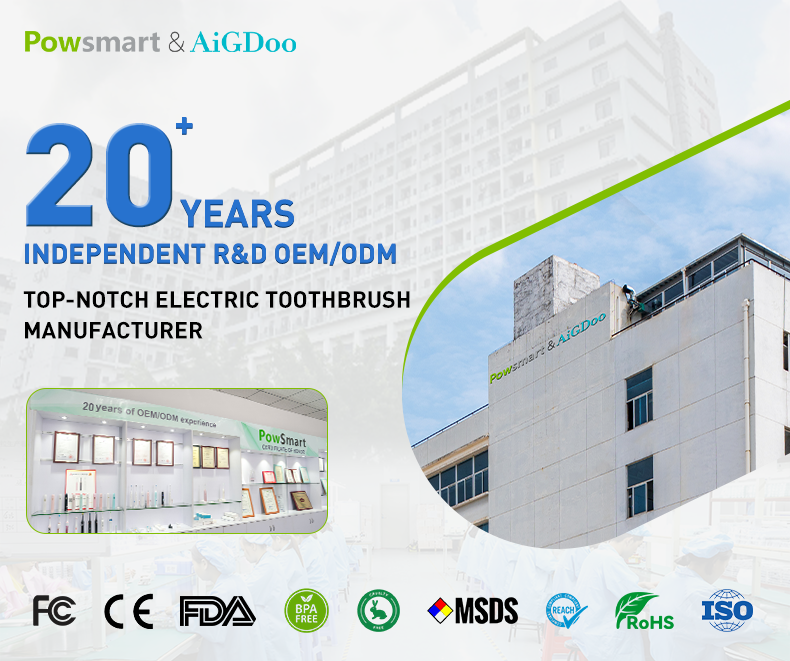
For oral care brands without in-house production, an OEM water flosser partnership is the most efficient path to market. Choosing the right manufacturing partner allows brands to integrate hygienist-approved features, ensure regulatory compliance, and leverage existing expertise in water flosser technology. A strong OEM relationship ensures scalability, consistent quality, and faster product launches.
Dental hygienists frequently emphasize the importance of personalized care. OEM brands should therefore consider:
Smart features (Bluetooth tracking, usage reminders).
Eco-friendly materials and sustainable packaging.
Targeted tips for orthodontic patients, implants, or sensitive gums.
By aligning development with professional recommendations, brands can tap into premium market segments.
A successful oral care product doesn’t just come from engineering—it stems from collaboration. Engaging dental hygienists early in the design phase can yield professional oral care advice that informs function and usability. Pairing this input with the technical capabilities of OEM factories helps ensure products meet both clinical standards and consumer expectations.
To summarize the most critical takeaways:
Water flossers are endorsed by dental hygienists for improving oral health outcomes.
Practical, hygienist-approved features drive consumer trust.
OEM partnerships enable cost-effective, scalable manufacturing.
Incorporating emerging trends like smart features and sustainability creates competitive advantage.
For oral care brands seeking to differentiate in a crowded market, listening to hygienists and choosing the right OEM partner are the key insights for OEM product development that lead to long-term success.
.jpg)
Silicone Electric Toothbrush | Soft Bristles & Gentle Deep Cleaning OEM
LED Whitening Mouthpiece | Fast-Acting Light Therapy for Teeth OEM/ODM Solution
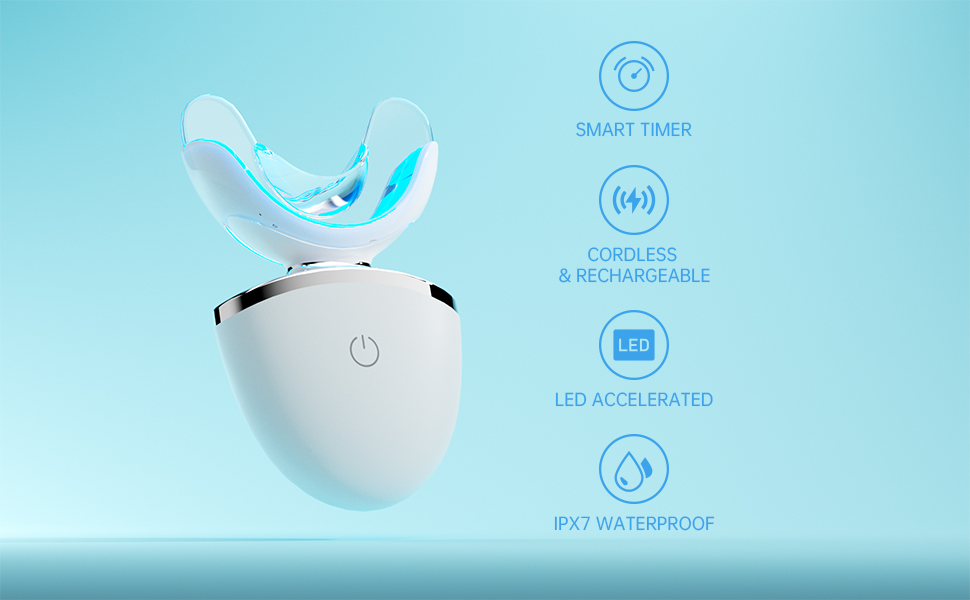
Why pair a Smart Timer Chip with Surface Reflectance measurement in whitening kits?
.jpg)
Can a Water flosser cure Gum sensitivity?

Popular Electric Toothbrush Design Styles – OEM Trends for Brand Success
New Year Health Goal Products Category Expansion
Need ADA Certified Toothbrush Products for Dental Clinic Supply?
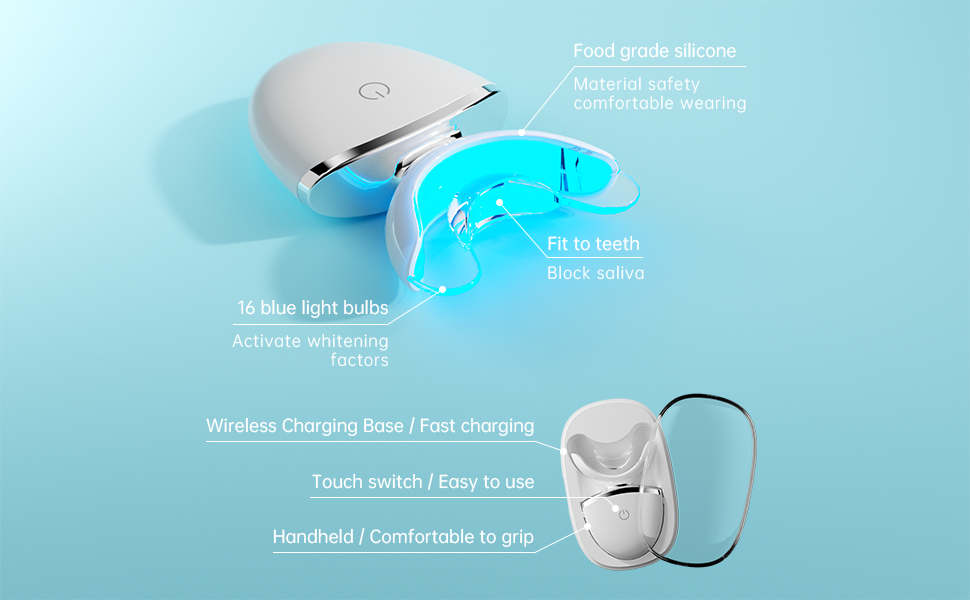
How Long Should You Leave Blue Light on Your Teeth? OEM Manufacturer’s Guide
Wireless Teeth Whitening Kit | Cord-Free LED Oral Beauty System for modern beauty and oral-care OEM brands.
Western Style Electric Toothbrush
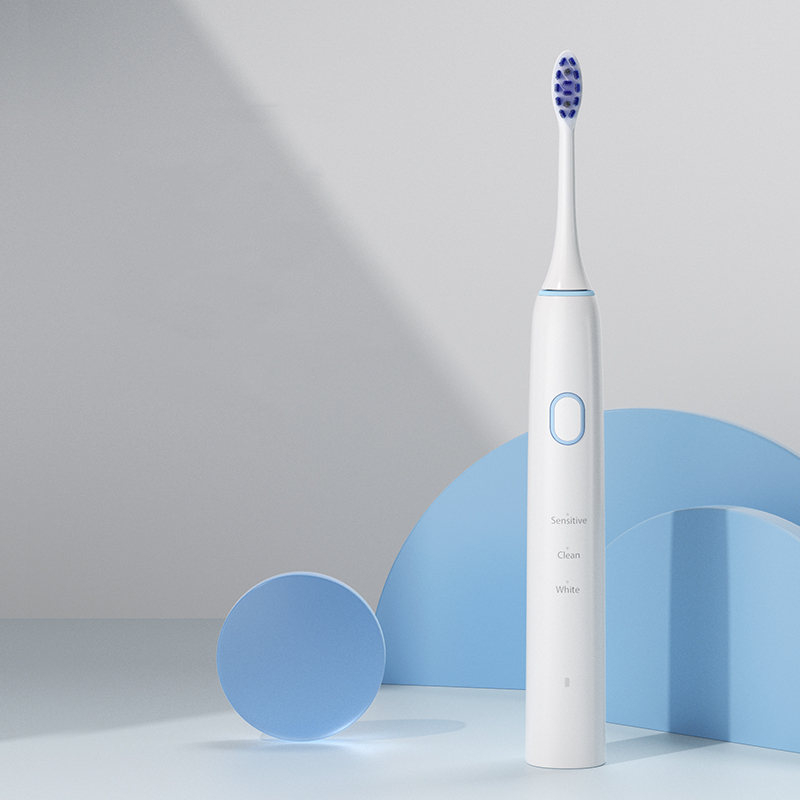
Dallas Cowboys Themed Kids Electric Toothbrushes
Sensitive Teeth Whitening Tool | Gentle LED Whitening for Delicate Gums
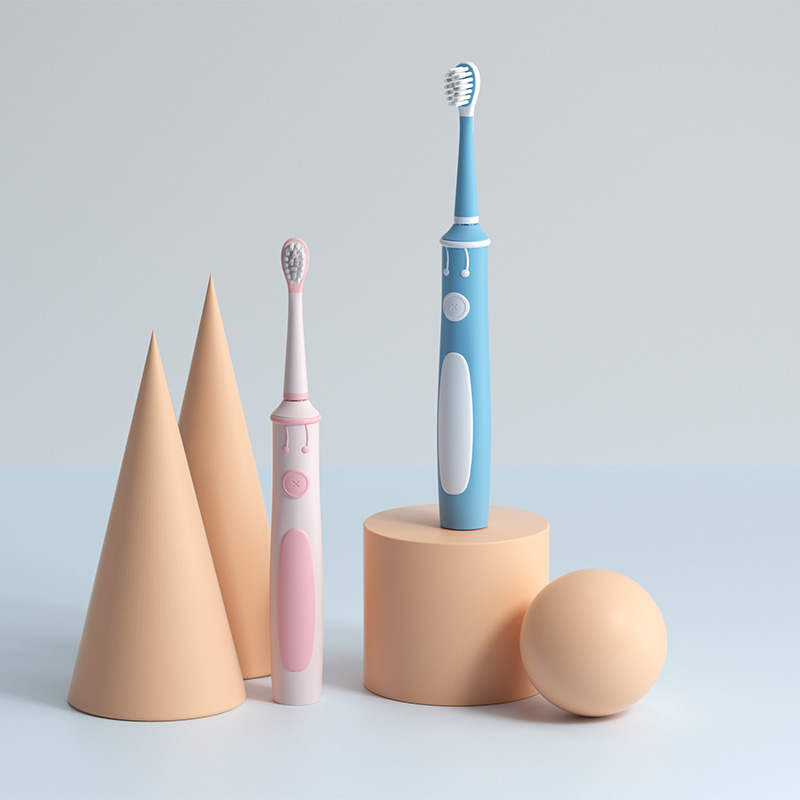
Top Electric Toothbrush Manufacturer in USA Dallas | POWSMART Factory
Blue Light Whitening Device | Quick & Effective Teeth Brightening for beauty and oral-care OEM brands.
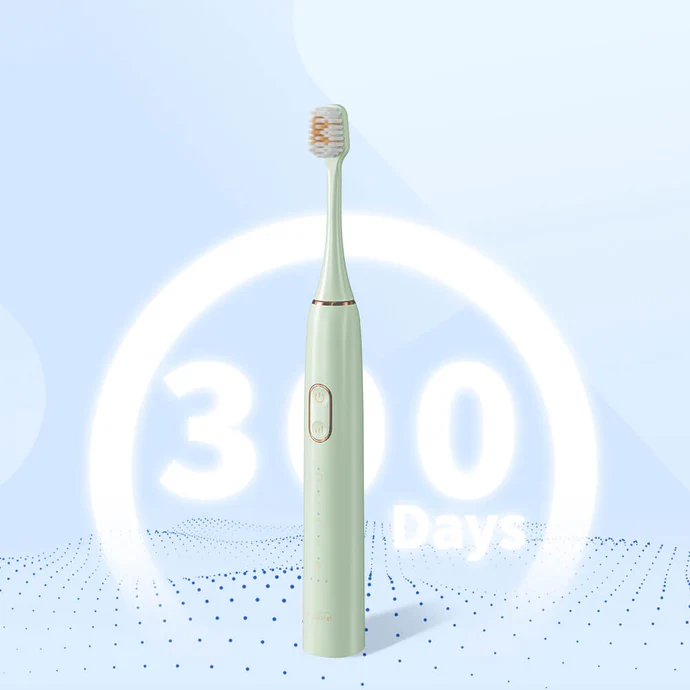
Is your sonic toothbrush Dallas equipped for the ultimate Dallas oral health defense?
Luxury Smart Electric Toothbrush Dallas


.jpg)
.jpg)
.jpg)
.jpg)
.jpg)



.jpg)