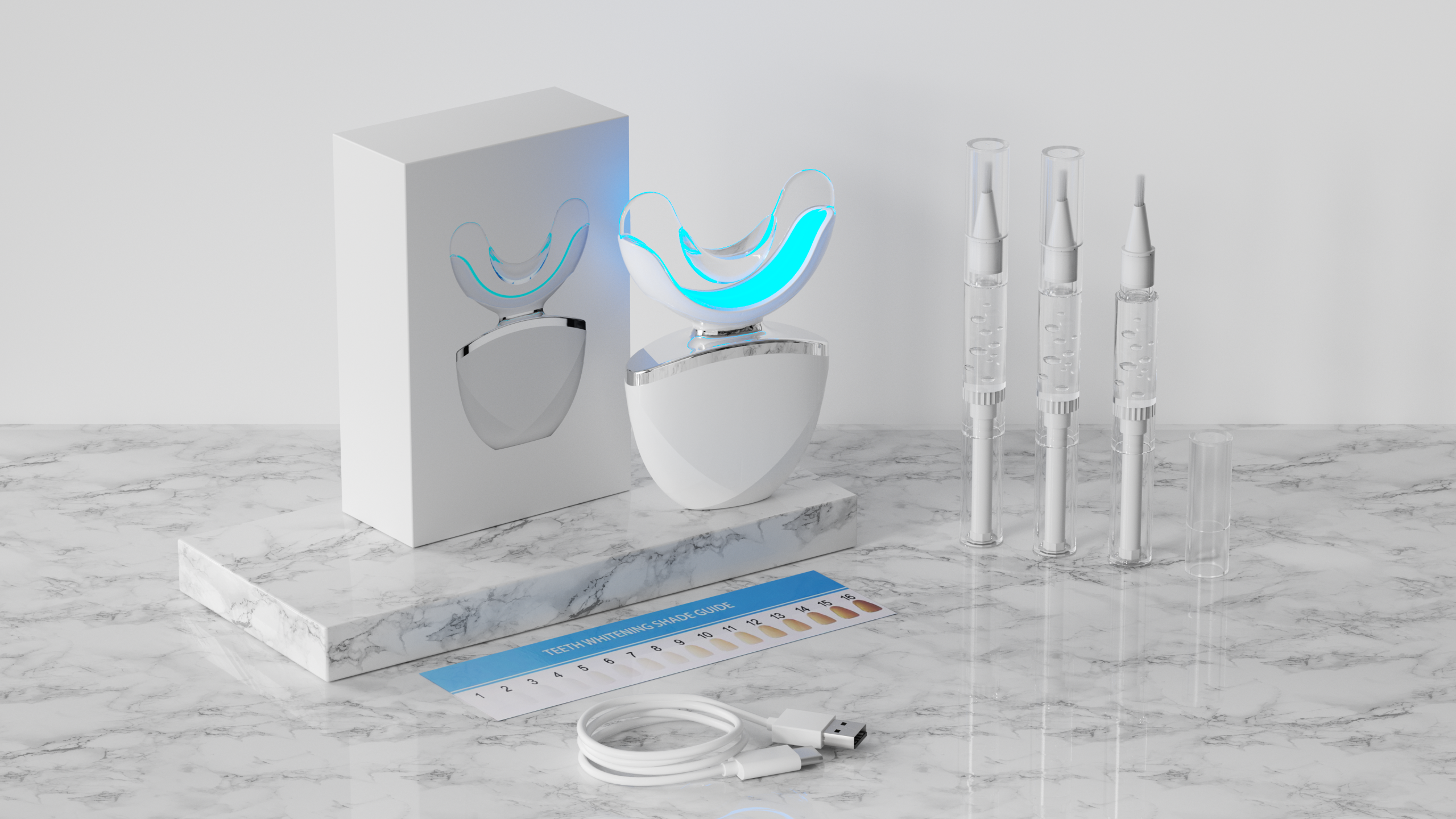
In the world of whitening treatments, gel leakage has emerged as a critical factor threatening enamel integrity and user confidence. Many B2B customers report a growing incidence of enamel translucency—the gradual thinning and see-through appearance of tooth enamel—following gel leakage incidents during whitening sessions. But is this just a cosmetic setback, or could it signify permanent structural damage? Let’s examine why this problem happens, how serious it is, and what manufacturers can do to safeguard both product quality and consumer trust.
Gel leakage occurs when whitening agents, typically peroxide-based gels, escape from their trays or reservoirs due to:
Once the gel seeps beyond intended areas, it contacts unprotected soft tissue and enamel surfaces, prolonging exposure far beyond safe thresholds.
Enamel translucency is characterized by a glassy, almost grey appearance of the teeth. This can be more than an aesthetic concern:
Thus, when gel leakage is left unchecked, the damage can transition from temporary discoloration to long-term vulnerability.
It’s no coincidence that gel leakage and enamel translucency frequently appear in tandem. The reasons include:
These factors create a perfect storm where the enamel is repeatedly etched, leading to visible translucency. Company web: https://www.powsmart.com/product/electric-toothbrush/
Failing to control leakage carries significant business risks:
Proactive engineering and clear usage instructions are essential to avoid these pitfalls.
To protect customers from enamel translucency and safeguard your brand, manufacturers should:
These measures ensure that whitening agents remain where they belong—on the enamel surface and nowhere else.
Even the best-designed products require proper handling. B2B partners should be equipped to:
When education and engineering align, the likelihood of permanent enamel damage drops significantly.
While gel leakage and enamel translucency can be linked to user technique, they often trace back to overlooked design details. To prevent these issues from escalating into claims of permanent damage, manufacturers must commit to smarter containment solutions and proactive customer education. In a market where trust is everything, protecting enamel health isn’t just good ethics—it’s good business. Contact us

How Does Water Tank Molding Design Integrate with a Gravity Feed System?
.jpg)
Are Firmware update failures Linked to False Advertising Claims?
How Is Whitening Device Safety Ensured in a Portable Whitening Kit?
UV Sanitizing Charging Cases: Practical Solution or Marketing Gimmick?
.jpg)
Are Electric Toothbrushes Allowed in Carry-On Luggage? A Guide for Travel Brands
Why Partner with a Reliable Motor Driver IC Supplier for Your Battery Management System in Electric Toothbrushes?
The Working Principle of Sonic Electric Toothbrushes
Electric Toothbrush for Hard Water Areas Arizona
Electric Toothbrush for IT Employees | Tech-Friendly Oral Care
-1-scaled.png)
Why Invest in Teeth Whitening Equipment from a Professional Whitening Kit Manufacturer?

How Does a Linear Resonant Actuator Benefit from an IPX8 Waterproof Solution in Electric Toothbrushes?
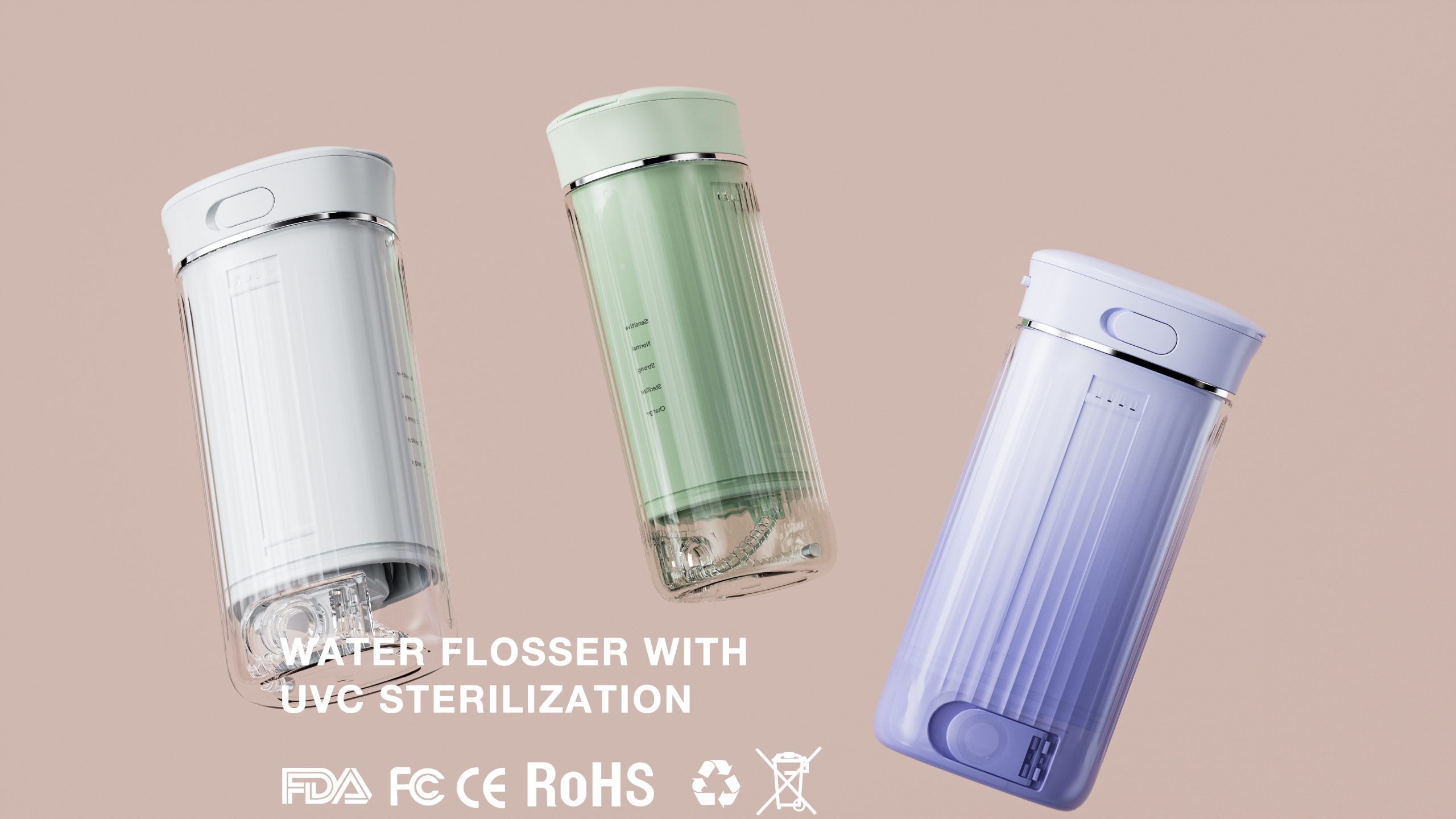
Tooth Flosser User Experience Optimization and Product Iteration Strategy
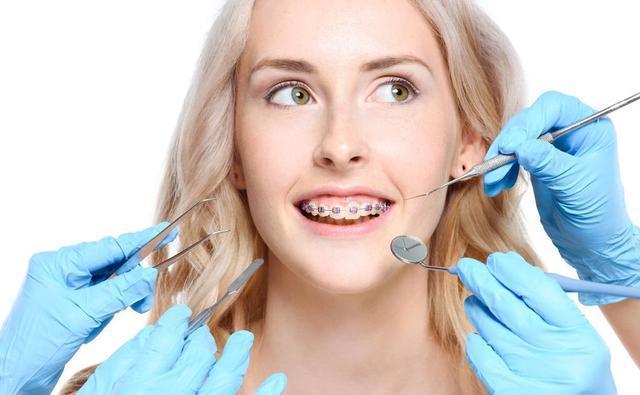
How to Keep Teeth Clean with Braces: A Complete Care Guide
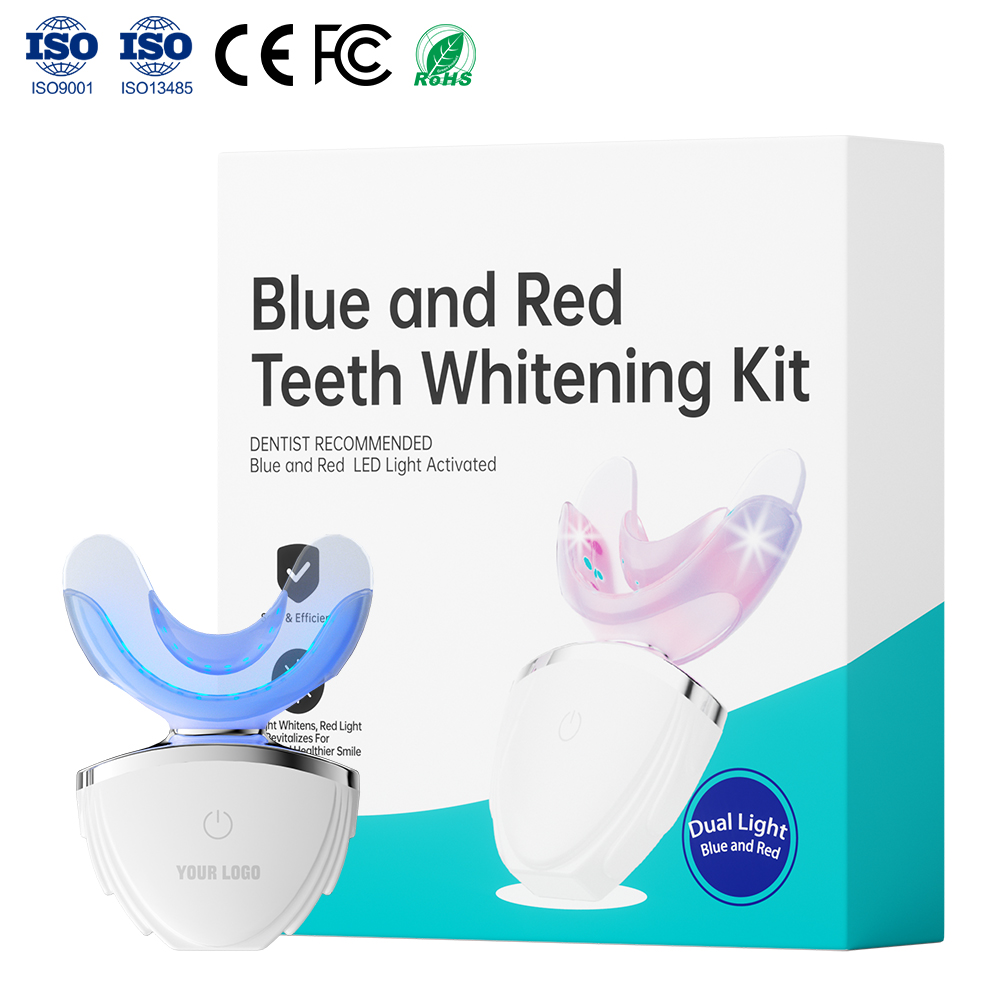
How Does Packaging Customization Service Enhance the Appeal of Products with UV Sanitizing Component?
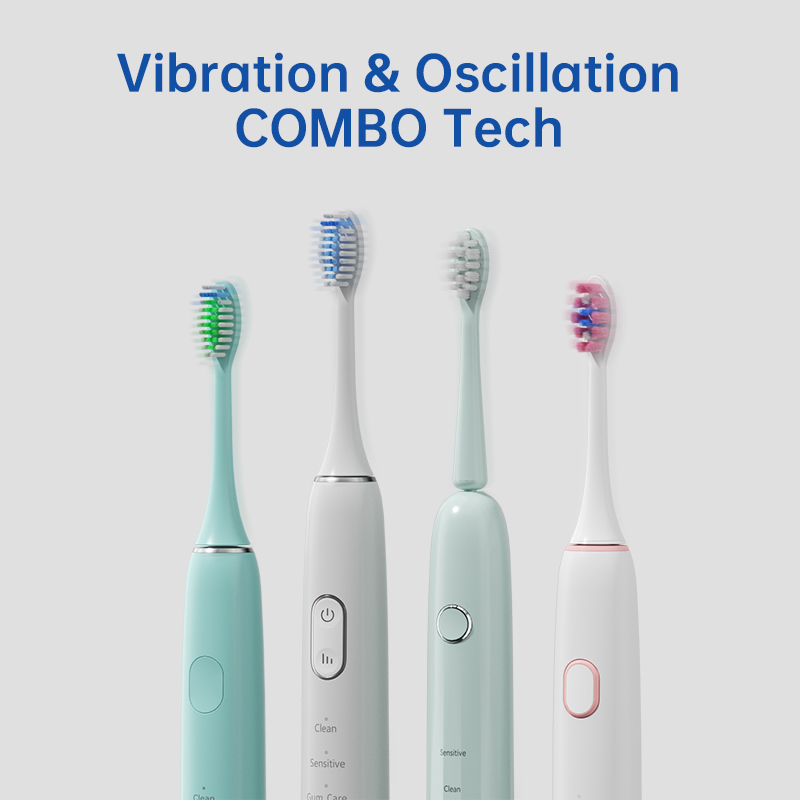
OEM Opportunities in Smart Features for Next-Gen Electric Toothbrushes

Should You Get Your Child a Water Flosser?


.jpg)
.jpg)
.jpg)
.jpg)
.jpg)






.jpg)
.jpg)