
In today’s review-driven marketplace, common negative reviews of electric toothbrushes can directly affect brand reputation and sales performance. For any OEM or ODM electric toothbrush manufacturer, understanding the root causes of customer complaints and proactively solving them is not just important—it’s essential. This article explores common quality issues, the most frequent negative feedback from end users, and how suppliers can implement effective solutions to quality issues of electric toothbrushes during product design and manufacturing stages.
User Complaint:
“Battery dies too quickly” or “Won’t charge after a few weeks.”
Common Quality Issue:
Low-grade lithium batteries, poor charging port designs, or inadequate battery management systems.
Supplier-Side Solution:
Use high-quality, certified lithium batteries with tested charge cycles.
Integrate intelligent battery management systems to prevent overcharging or deep discharge.
Perform aging tests on power units during QC inspections.
As a reliable electric toothbrush manufacturer, it’s critical to test battery systems under simulated daily use to avoid early failures.
User Complaint:
“Motor stopped working” or “Not strong enough to clean properly.”
Common Quality Issue:
Substandard motor components or poor assembly leading to motor disconnection or weak performance.
Supplier-Side Solution:
Source high-performance, durable micro motors from trusted suppliers.
Reinforce internal motor mounting structures to avoid vibration loss.
Conduct real-time vibration amplitude tests during production.
These steps reduce the chance of internal failures and deliver the cleaning power users expect.
User Complaint:
“Water got inside the toothbrush” or “The handle cracked after a fall.”
Common Quality Issue:
Insufficient waterproofing (IPX rating below standard), or low-quality ABS/TPU housing material.
Supplier-Side Solution:
Design with at least IPX7 waterproof rating using high-quality sealing components.
Use durable injection-molded ABS or TPU materials for the handle.
Perform waterproof and drop-resistance tests as part of final QC.
These improvements significantly reduce return rates linked to product integrity.
User Complaint:
“Too noisy!” or “Annoying buzzing sound.”
Common Quality Issue:
Motor imbalance, poor assembly alignment, or inadequate vibration insulation.
Supplier-Side Solution:
Use noise-reducing motor mounts and silicone dampers.
Calibrate motor-to-head alignment during assembly.
Conduct decibel-level testing during quality control.
Addressing this issue enhances the premium feel of the product and reduces dissatisfaction.
User Complaint:
“Hard to understand how to use” or “No English manual.”
Common Quality Issue:
Incomplete or poorly translated user manuals; non-intuitive product interface.
Supplier-Side Solution:
Provide clear, multilingual manuals with visual guides.
Work with the brand to customize UI/UX and packaging for target markets.
Include QR codes linking to video tutorials.
As a proactive electric toothbrush manufacturer, providing end-user support materials is as critical as ensuring the product’s technical performance.
Every negative review is a reflection of something that could have been prevented during manufacturing. By deeply understanding common negative reviews of electric toothbrushes, manufacturers can:
Identify and address common quality issues
Implement design and material improvements
Offer strong QC procedures and clear user guidance
With these solutions to quality issues of electric toothbrushes, suppliers not only reduce return rates and complaints but also help brands build trust and loyalty in a competitive market.
Looking for a reliable electric toothbrush manufacturer with proven quality control and design expertise? Contact us today to discuss OEM/ODM partnership opportunities that put user satisfaction first.
.jpg)
Powsmart Private Label Sonic Electric Toothbrushes: FDA-Certified OEM Solutions for Europe & US
.jpg)
Top Electric Toothbrush Replacement Heads in Manhattan?
Whitening Kit-Induced Gum Irritation: Are User Manuals Clear? Does Warranty Cover It?
Can You Put Hydrogen Peroxide in a Water Flosser to Whiten Teeth? Safety Guide from Manufacturer

Finding the Right Kids’ Toothbrush: An OEM Guide to U-Shaped vs. Sonic Options
Enamel Scratching from Gum Irritation – Reversible?
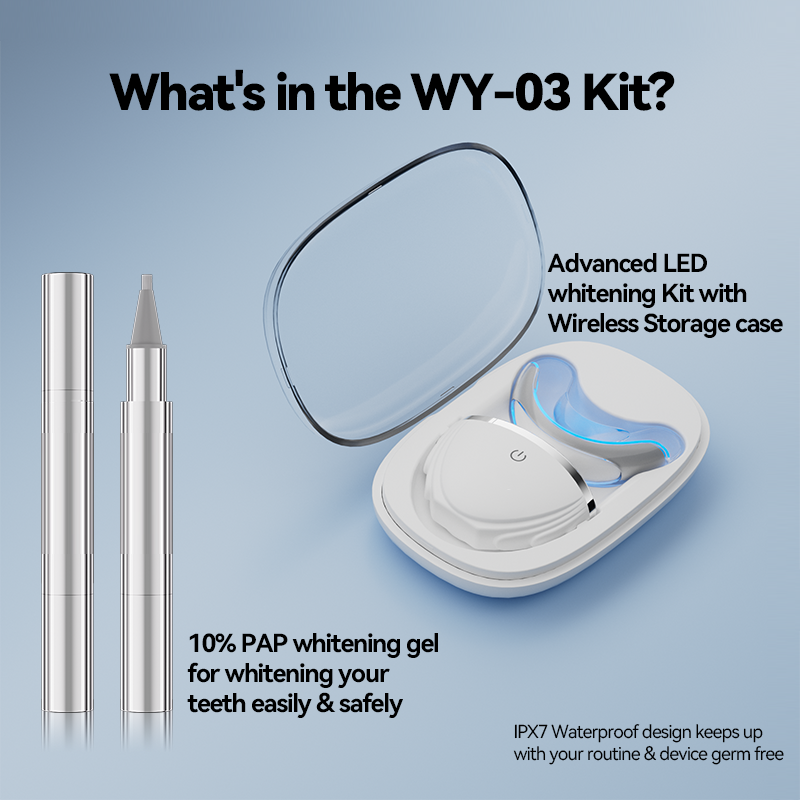
OEM of Teeth Whitening Device: A Complete Solution from LOGO Printing to Light Wave Mode Customization
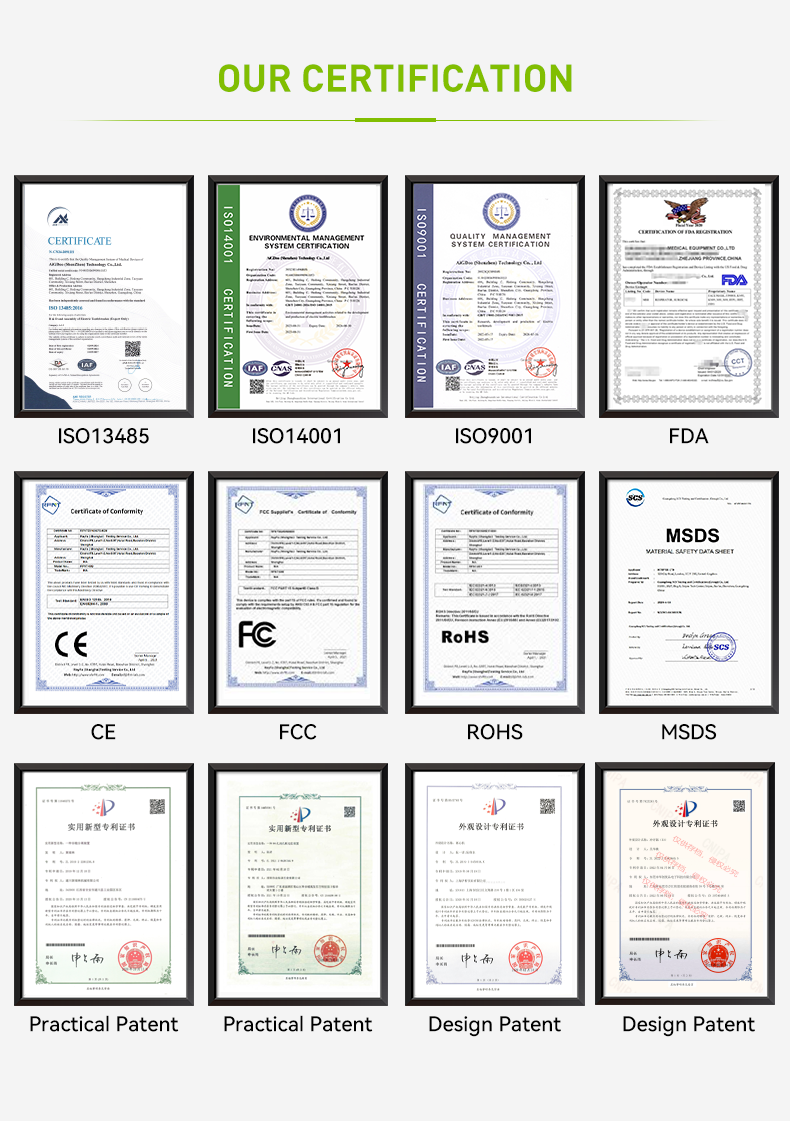
Is the Specific LED Wavelength the Key to Being Truly Enamel Safe?
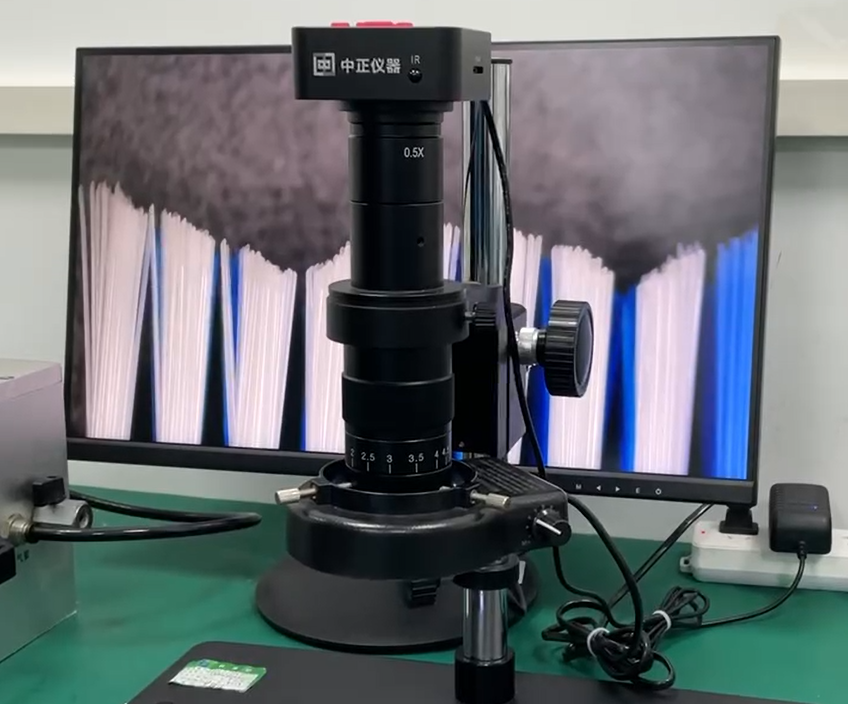
Electric Toothbrush Bristle Implantation Technology: How to Choose the Most Suitable Bristles?

What is the Core Technology of the Oral Irrigator?
Electric Toothbrush with Travel Case OEM
Is Your Water Flosser Leakage Due to Poor ESD Packaging?

How Does Your Whitening Gel OEM Formula Achieve FDA-cleared Whitening Gel Status?
Father’s Day Gift Electric Toothbrush for Texas Dad
Electric Toothbrush Supplier China Guide

electric toothbrush factory evaluation standards- 5 Must-Read Criteria for Brand Owners


.jpg)
.jpg)
.jpg)
.jpg)
.jpg)






.jpg)
.jpg)