

The oral care market is evolving rapidly, with consumers increasingly seeking innovative solutions such as LED light oral care devices for teeth whitening and therapeutic treatments. For brands looking to collaborate with manufacturers, understanding safety standards and the technology behind these products is crucial. This blog provides key insights for OEM product development in the oral care sector, focusing on safety, efficacy, and market-ready solutions. Understanding LED Technology in Oral Care LED light has become a staple in modern oral care devices, primarily used for teeth whitening and phototherapy technology applications. Unlike UV light, LED is considered safer for home use, but careful calibration of wavelength and intensity is essential. When selecting an OEM partner, ensure they have experience in designing LED-based oral devices that comply with international safety standards. Safety Considerations for Teeth Whitening Consumer safety is paramount in OEM product development. Key aspects include: Ensuring LED intensity is within safe limits to prevent enamel damage or gum irritation. Testing for uniform light distribution to maximize whitening effects while minimizing risks. Conducting clinical trials or laboratory testing to validate teeth whitening safety claims. Manufacturers with proven safety protocols and certifications (such as CE or FDA) are preferable for brands…
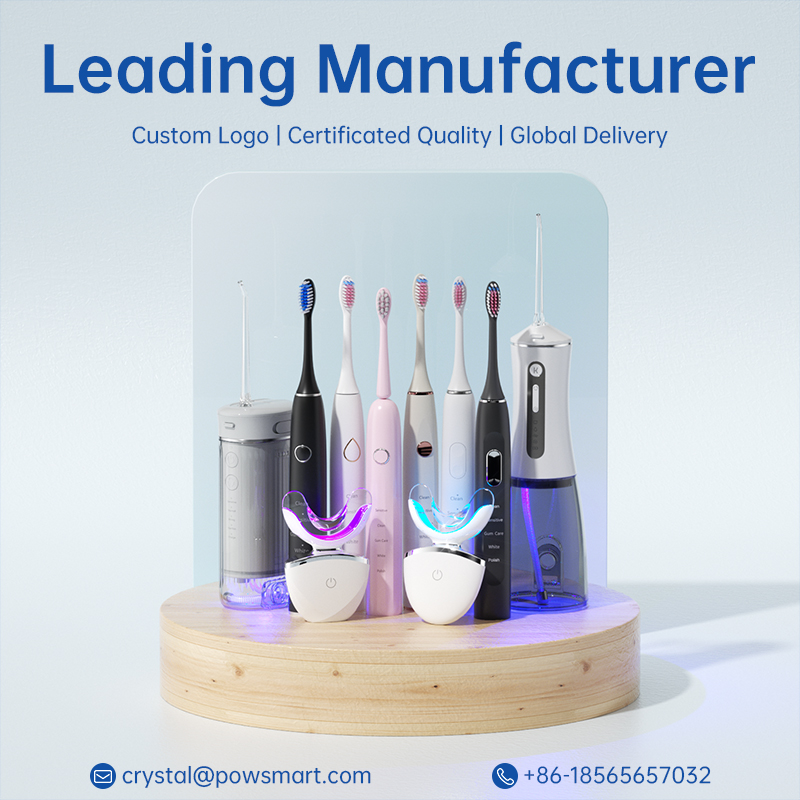
Modern consumers are constantly looking for oral-care solutions that save time, simplify routines, and improve overall hygiene. Among these innovations, U-shaped toothbrushes have gained massive attention thanks to their eye-catching design and “30-second brushing” claims. But do they actually work? As an OEM manufacturer specializing in oral-care devices, we frequently answer this question for brand owners seeking reliable product development guidance. Below is a data-driven analysis from the manufacturer’s perspective. What Makes U-Shaped Toothbrushes Different? Unlike traditional brushes that require manual scrubbing, U-shaped toothbrushes use a mouthpiece made of silicone bristles. Vibrations or micro-pulses claim to clean multiple surfaces at once. This design appeals to users who want convenience and consistency, especially children or people with limited brushing ability. Do U-Shaped Toothbrushes Actually Work? (The Short Answer: It Depends) The cleaning performance varies widely based on build quality, silicone hardness, bristle density, and vibration intensity. Some low-end models offer minimal plaque removal, while high-precision versions—when engineered with proper bristle contact—can support daily maintenance.From an OEM perspective, success strongly depends on correct engineering and material standards. Cleaning Efficacy: What the Tests Reveal When evaluating cleaning efficacy, we examine: Coverage: Does the silicone U-tray contact the gumline? Vibration transfer: Are sonic vibrations…
As demand for high-performance personal-care devices continues to rise, OEM brands are looking for manufacturing partners who can deliver electric toothbrushes that balance innovation, function, and consumer appeal. Creating an effective toothbrush design goes far beyond aesthetics—it requires a deep understanding of user behavior, oral-care science, ergonomics, and engineering. Below, we outline the essential factors that modern OEM brands should consider when developing their next electric toothbrush line. Prioritizing User-Driven Functionality Every successful toothbrush begins with a clear focus on user experience OEM principles. Consumers expect devices that are easy to hold, intuitive to use, and capable of delivering noticeable improvements in daily brushing. Design teams should conduct usability testing to understand grip preferences, brushing angles, and interface expectations. A design that aligns with real user habits will ultimately result in a product that customers reach for every day. Engineering for Superior Plaque Removal At the core of any electric toothbrush is its ability to effectively clean teeth. Technologies such as sonic vibration, oscillation-rotation systems, and pressure-sensitive feedback must be refined to maximize plaque removal performance. Manufacturers should collaborate closely with OEM brands to adjust motor frequency, brush-head structure, and bristle patterning to ensure measurable cleaning results supported by clinical…
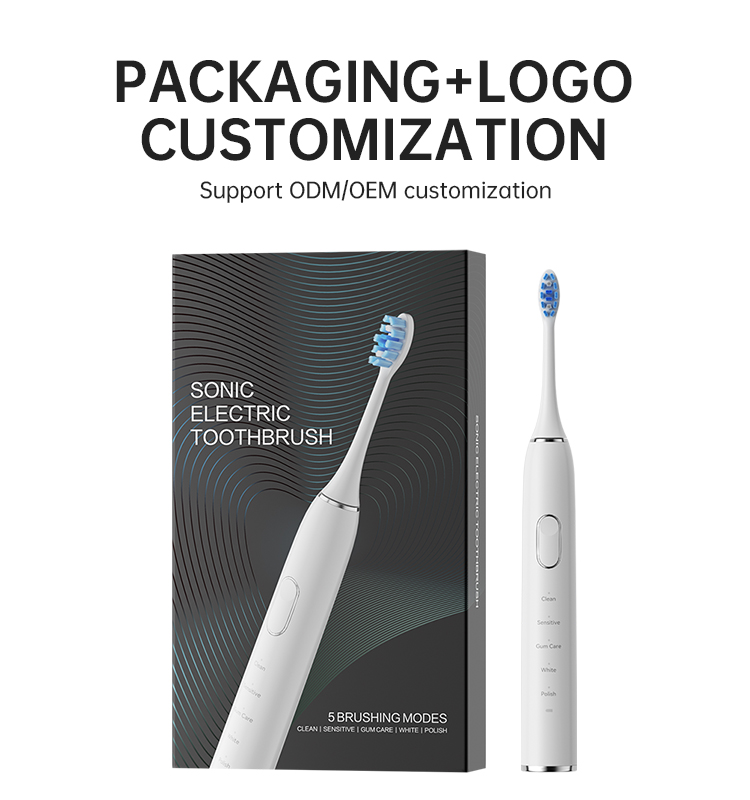
For oral-care brands entering the electric toothbrush OEM space, design decisions directly influence product performance, user satisfaction, and long-term brand value. In fast-moving product development, selecting the must have design features early ensures you launch a competitive and reliable product. Below are the top features every brand should consider when customizing an electric toothbrush — plus one additional element that can significantly improve manufacturing success. Optimized Motor Performance & Vibration Frequency A powerful, high-efficiency motor is the heart of any electric toothbrush. When working with an OEM manufacturer, ensure the design allows: Stable and customizable RPM or sonic frequency Low noise and minimal vibration leakage Long motor lifespanThese attributes enhance cleaning performance while maintaining comfort — a crucial user expectation. Ergonomic Handle Design for Superior Grip Customization should include careful attention to handle geometry, hand feel, and surface texture. An ergonomic design: Improves brushing control Increases comfort for extended use Supports universal usability across various age groupsThis is one of the most underestimated must have design features, yet it strongly impacts customer satisfaction. Interchangeable Brush Heads with Functional Variety Modern consumers want more than one brush head. When planning product development, ensure compatibility with multiple head types, such as: Soft-bristle…
Choosing the right technology for your oral-care product line is one of the most important strategic decisions for any brand preparing to enter or expand in the electric toothbrush market. For OEM brand owners, the choice between a rotating vibrating toothbrush design can significantly influence market positioning, product differentiation, production cost, and long-term brand value. Below, we explore six key considerations to help you determine which technology aligns best with your OEM brand strategy and how customized manufacturing partners can support your success. Understanding the Core Technologies: Rotating vs. Vibrating Rotating and vibrating toothbrushes operate on different mechanical principles, each offering unique advantages. Rotating toothbrushes use circular oscillation motions and are popular for deep plaque removal. Vibrating (or sonic) toothbrushes rely on high-frequency vibrations that create dynamic fluid action, improving cleaning effectiveness even between tight gaps. Recognizing how each technology impacts user experience is the first step in shaping a product line that resonates with your target consumers. Consumer Appeal and Market Positioning Your choice should align with consumer expectations in your target region. Rotating toothbrushes often appeal to customers seeking a “power cleaning” feel. Vibrating models are preferred by those who want a more gentle yet efficient cleaning approach.…
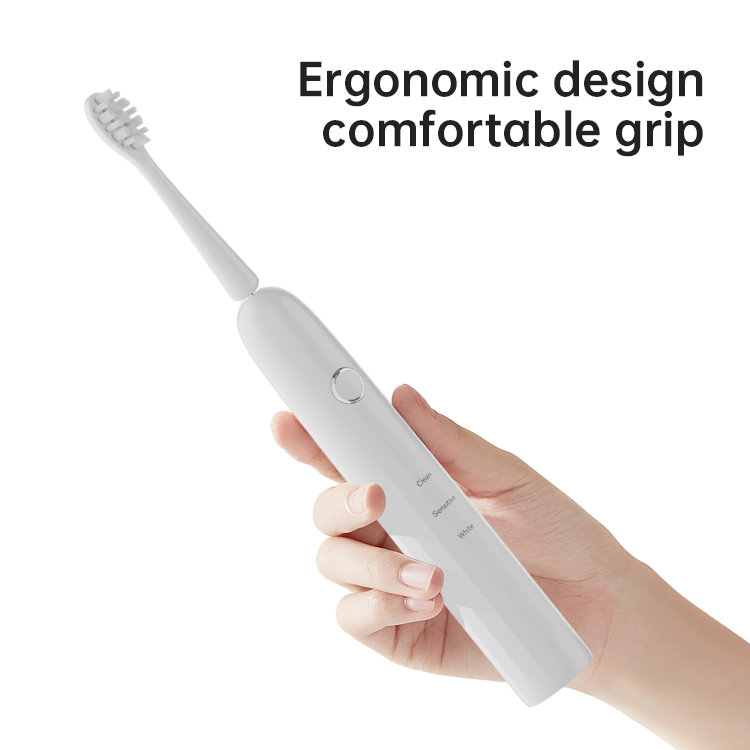
In today’s competitive oral-care market, electric toothbrush brands are pushing to deliver superior user experience through thoughtful ergonomics. As brands search for the right manufacturing partner, understanding the fundamentals of toothbrush shape optimization becomes essential. This OEM guide outlines six critical considerations for achieving ideal grip design and high maneuverability, helping you collaborate effectively with your factory or OEM manufacturer. Understanding User Ergonomics The starting point for any electric toothbrush project is a deep understanding of user habits. How people hold a toothbrush, the angle at which they brush, and the amount of pressure they apply will all influence overall shape optimization. Manufacturers with ergonomic testing capabilities can help brands match form with human behavior. Defining the Optimal Handle Geometry Handle geometry plays a central role in grip design. Whether your audience prefers a slim, lightweight handle or a thicker, more stable grip, the manufacturer must be able to translate these insights into precise molds and surface treatments. A well-designed handle reduces hand fatigue and enhances brushing confidence. Balancing Weight Distribution A toothbrush may look sleek but still feel awkward if the internal components are unbalanced. Battery placement, motor size, and PCB layout all affect maneuverability. OEM engineers can strategically…
As global consumers become increasingly health-conscious, the oral care market is undergoing rapid transformation. One of the most debated topics today is electric toothbrush vs normal manual toothbrushes. It's an important consideration for brands determining their next product line. Understanding this shift is essential for identifying which option represents the truly superior choice for your brand’s long-term growth. Consumer Behavior: Changing Expectations and Technological Preference Modern users are leaning toward smart, automated, and performance-driven solutions. Electric toothbrushes offer more consistent brushing results, intuitive user experience, and integrated technology. Factors that resonate strongly with younger demographics and premium consumers. For brands evaluating electric toothbrush vs normal models, this trend highlights the rising preference for innovation over tradition. Product Performance: Why Electric Often Becomes the Superior Choice When comparing cleaning efficiency, plaque removal rate, and user compliance, electric toothbrushes often outperform traditional manual brushes. Their built-in vibration or oscillation technology delivers superior consistency, making them an appealing solution for both everyday consumers and professional recommendations. For brand owners, this performance advantage can be positioned as a clear superior choice in marketing and product differentiation. Market Potential: A Rapidly Expanding Category The global demand for electric toothbrushes continues growing, driven by the expansion…
Modern consumers are shifting toward gentler oral-care products, and few items exemplify this trend better than Japanese toothbrushes. Their ultra-fine bristles and delicate brushing experience have won the trust of users worldwide—especially those seeking sensitive teeth care and mild oral care solutions. But what exactly makes Japanese toothbrushes stand out? And why are so many global brands turning to Japan-inspired toothbrushes for OEM manufacturing? This article reveals the key factors behind Japanese toothbrush softness and explains why the category is rapidly becoming a top choice for brands and manufacturers around the world. Ultra-Fine Bristle Technology: The Core of Japanese Toothbrush Softness Japanese toothbrush design begins with micro-thin bristles, often as fine as 0.01–0.02 mm. These bristles can reach deep into gum lines while remaining exceptionally gentle on enamel and gums.The result: an unmistakable softness that sets Japanese toothbrushes apart from traditional medium-bristle or hard-bristle designs. Ideal for Sensitive Teeth Care A growing portion of consumers struggles with tooth sensitivity caused by abrasive brushing, enamel wear, or gum recession.The characteristic softness of Japanese toothbrushes aligns perfectly with this need, enabling effective cleaning without irritation. For brands seeking to enter the sensitive teeth care segment, this design approach is an attractive starting…
When developing or sourcing oral-care products, understanding what dentists genuinely recommend—and why—can greatly influence product strategy. Electric toothbrushes have become a major category within modern oral hygiene, but what do professionals really think? As an OEM manufacturer, we have unique visibility into both clinical expectations and market demands. Below, we break down six essential insights for oral-care brands seeking manufacturing partners. What Dentists Really Recommend Today A common question for consumers and brands alike is: Do dentists recommend electric toothbrushes?Across global markets, the answer is increasingly yes. Most dental professionals approve of electric toothbrushes because they promote more consistent brushing habits, especially for users with poor manual technique. This alignment with professional dental advice has helped electric toothbrushes become a preferred product segment for many oral-care brands. The Clinical Evidence Behind Electric Toothbrushes When brands evaluate product categories, clinical evidence is one of the strongest drivers. Studies continually show that oscillating or sonic electric brushes remove more plaque and improve gum health more effectively than manual brushes. These clinically backed outcomes make it easier for brands to develop compelling marketing claims—especially when partnering with an OEM manufacturer that can support testing and documentation. Why Consumers Trust Dentist-Backed Products Modern consumers…
Electric toothbrushes are now a standard in modern oral hygiene, offering superior plaque removal and better brushing consistency. However, not everyone is an ideal candidate, and understanding who shouldn’t use an electric toothbrush is key for brand owners developing safe and inclusive oral-care product lines.Below, leading manufacturers share professional manufacturer advice to help you design and position your products responsibly—especially when working with special populations and consumers with specific oral conditions. Understanding Why Contraindications Matter in Product Development Before exploring specific user groups, it’s essential to understand why precautions exist.Electric toothbrushes incorporate vibration, rotation, sonic frequencies, and pressure—all of which can pose risks under certain oral or medical conditions. Identifying contraindications for use ensures: Better consumer safety Reduced product liability More accurate marketing claims Improved regulatory compliance For brand owners, integrating clinical insights early in the design phase can significantly enhance product credibility. People with Severe Gum Disease or Active Infections One important group among special populations includes individuals suffering from advanced periodontitis, gum abscesses, mucosal lesions, or uncontrolled gum bleeding. Why they shouldn’t use it:Electric toothbrush motion may irritate already damaged tissue, increase bleeding, or spread infection. Manufacturer recommendations: Offer gentler sonic models with soft bristles Provide clear labeling…
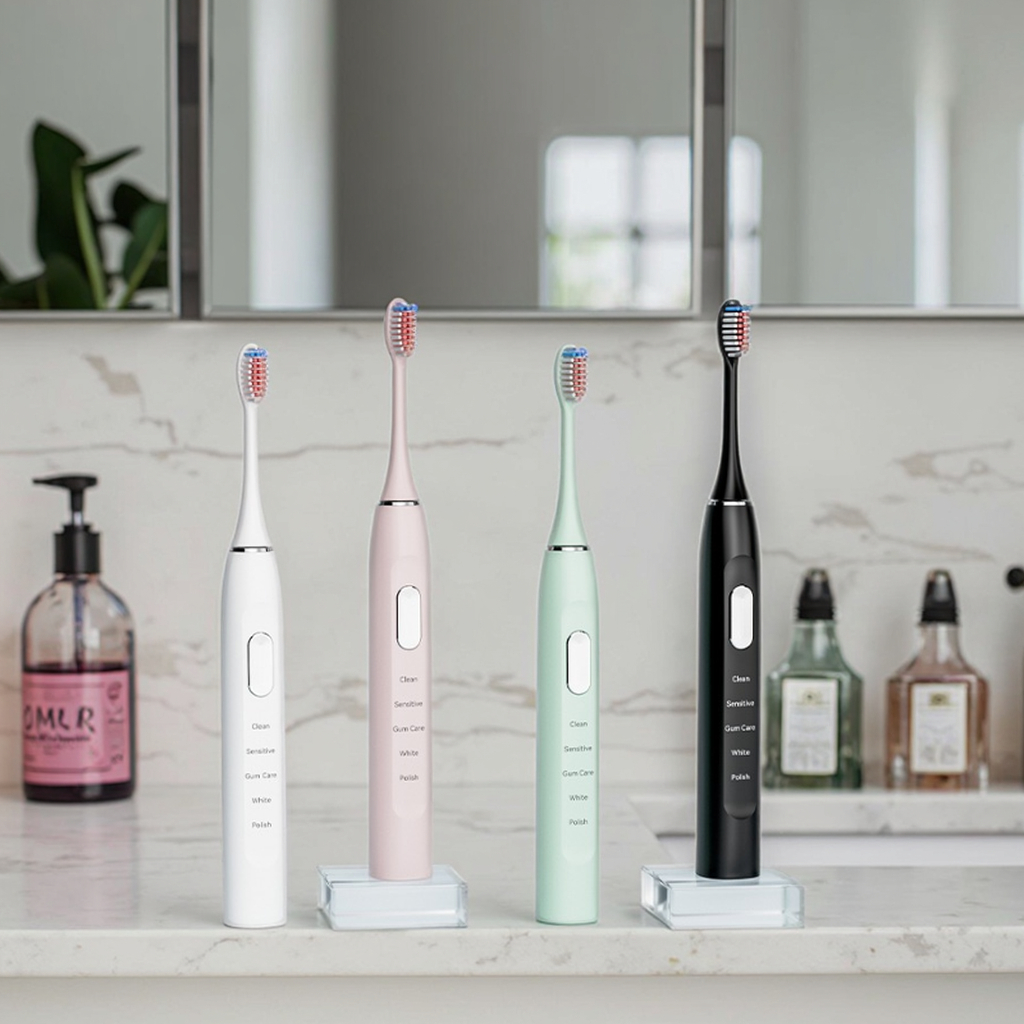
In the rapidly growing oral-care market, electric toothbrush brands face intense competition. To win user preference, brands must understand what consumers genuinely value—especially before launching new products or planning OEM manufacturing. Based on recent market research, we highlight the most wanted functions and electric toothbrush user concerns, along with what these insights mean for your OEM design focus. Effective Cleaning Performance Among all electric toothbrush user concerns, cleaning efficiency remains the top priority. Users want a toothbrush that significantly reduces plaque, improves gum health, and reaches difficult areas. What brands should focus on: Stable and precise vibration output High-frequency sonic motor options Customizable brushing intensity levels Brush head designs optimized for different dental conditions OEM implication: Manufacturers should provide motor performance data and offer multiple vibration specifications for brand customization. Intelligent Pressure-Sensing Protection Over-brushing is one of the most common oral health issues. Many consumers now look for smart pressure-sensing features that prevent gum damage. Most wanted functions include: Real-time pressure alerts Automatic vibration reduction Visible indicators (LED or app notifications) OEM design focus: Factories capable of integrating smart chips and pressure sensors are especially attractive for emerging premium brands. Long Battery Life & Fast Charging Modern users expect convenience.…
whstapp
whstapp
National Toll-Free Service Hotline
+86 755 86238638

.jpg)
.jpg)
.jpg)
.jpg)
.jpg)







-1-scaled.png)