
In today’s booming oral care market, the home teeth whitening device has become a highly sought-after product due to its convenience and effectiveness. However, one common concern reported by end-users is: “Why do my teeth feel sore after using a teeth whitening device?” For oral care product brands, understanding and addressing such feedback is essential — not only for enhancing product design and efficacy but also for choosing the right teeth whitening manufacturing partners who prioritize both safety and performance.This blog explores the most common causes of teeth feel sore during the use of whitening devices, highlights key abnormal phenomena to monitor, and provides insights for brands to consider when developing or sourcing whitening products.
Tooth sensitivity or soreness is a common reaction reported after using a home teeth whitening device. While temporary, it can raise customer concerns and negatively impact brand perception. The main reasons include:
Enamel dehydration: Whitening agents can temporarily remove moisture from the enamel, causing nerves to be more exposed and sensitive.
High concentration of peroxide: Many over-the-counter devices use carbamide or hydrogen peroxide; higher concentrations may increase whitening speed but also cause discomfort.
Improper fit of trays or strips: Ill-fitting trays can press whitening gel against the gums, leading to soreness or even irritation.
Pre-existing dental issues: Small cracks, gum recession, or cavities can become aggravated during the use of whitening devices, intensifying discomfort.
While mild sensitivity is common, brands must educate customers on spotting abnormal phenomena that require attention:
Sharp, lingering pain in one or more teeth
Gum inflammation or visible whitening gel burns
Uneven color patches or spotting on enamel
Sensitivity that lasts longer than 48 hours
These signs may indicate poor product formulation, inappropriate use, or the need for improved product instructions. Reliable teeth whitening manufacturing processes help prevent such issues by prioritizing formulation safety and user testing.
For oral care brands planning to develop or expand their whitening product line, sourcing the right teeth whitening manufacturing partner is crucial. Key points to consider include:
Formulation compliance: Ensure the peroxide concentration complies with regional safety standards.
Material quality: Whitening trays or applicators should be made from medical-grade, BPA-free materials that provide comfort and safety.
Customization options: Work with manufacturers who offer tray sizing, LED light intensity adjustment, or gel refill options to improve end-user experience.
Clinical testing: Partner with manufacturers who can provide data on sensitivity outcomes and long-term safety results.
Reducing user discomfort is not only a matter of good PR — it’s a core competitive advantage. To help minimize tooth soreness in your whitening products:
Offer low-sensitivity gel options as part of your product line.
Include remineralizing gel or fluoride rinse to help protect enamel.
Provide detailed instructions and warnings about overuse or pre-existing conditions.
Emphasize proper usage timing (e.g., 10-15 minutes per session) to avoid overexposure.
By working with a manufacturing partner that supports these goals, your brand can stand out as both effective and customer-conscious.
Understanding the causes of sore teeth after using a teeth whitening device is the first step in improving your product line and building trust with your customer base. When developing a home teeth whitening device, it is vital to consider not just whitening effectiveness but also the potential discomfort and abnormal phenomena that may occur.
For oral care brands, choosing the right teeth whitening manufacturing partner means ensuring product safety, compliance, and consumer satisfaction. The market will continue to evolve, but the brands that listen to users and prioritize long-term care will always have the edge.
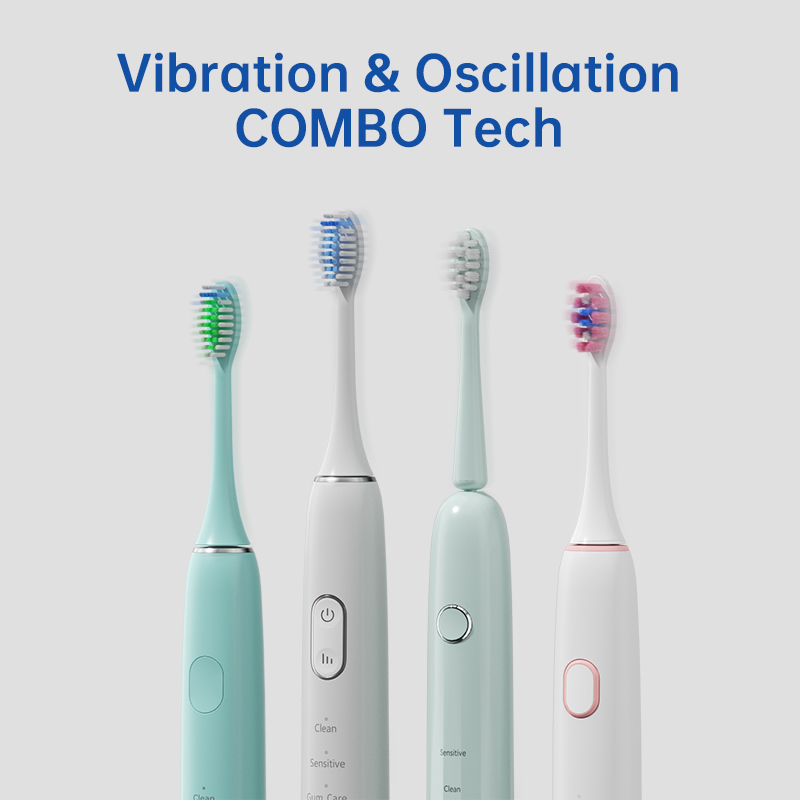
Can an Apical Irrigation Tip Utilize Hydro-kinetic Energy Transfer for Root Canal Cleaning?

Why Pair a Sonic Vibration Core with Food-grade Bristle Material for Safe Oral Care?
.jpg)
Corporate Holiday Toothbrush Gift Sets | Wellness Gifts for Employees
Frequent Allergy Reactions to Whitening Kits: Is Cold-Light Technology to Blame?
BPA-Free Brush Heads: Why They Matter for Oral Care Brand Owners
How to Create High-premium Oral Care Products through the Concept of “Treating Yourself Well”?
Need Toothbrush Industry Insights to Navigate Toothbrush Market Trends?
Eco-Friendly Electric Toothbrush Manufacturer | Sustainable Oral Care
.jpg)
Water Flosser Sterilization Function: UV Sterilization vs. Silver Ion Coating – Real Cost and Effect

How Water Flosser is Made: China Factory Visit
No Designer? No Problem. The OEM Path to Your Successful Oral Care Brand
How Does an LED Whitening Lamp Integrate into a Home Use Whitening System?
.jpg)
Smart Toothbrush Private Label: Build Your Brand with OEM Support
Bulk Personalized Electric Toothbrush: Custom Manufacturing Services
What Are the Causes of Bad Breath and How to Treat It?
What are the material choices for the shell of the electric toothbrush?


.jpg)
.jpg)
.jpg)
.jpg)
.jpg)






.jpg)

.jpg)