
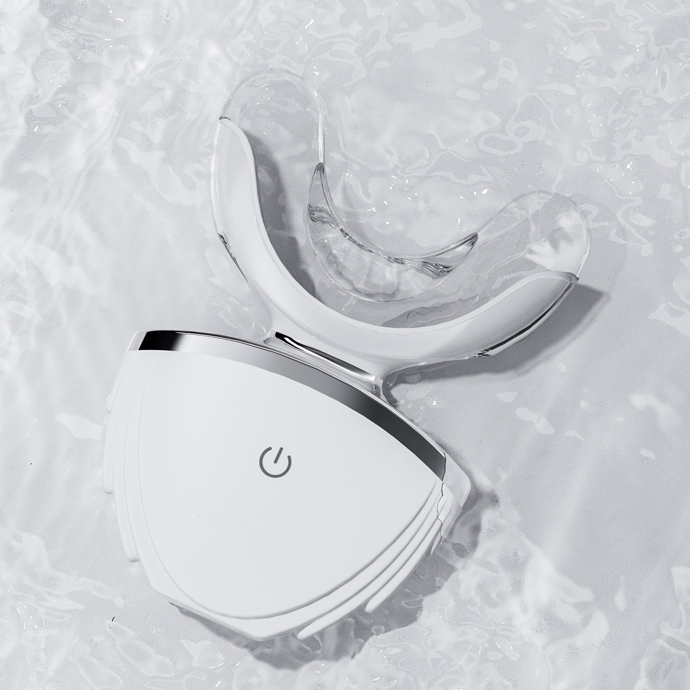
Designing electric toothbrushes for Southwestern markets requires more than swapping a colorway. For a B2B audience, the central question is whether an Arizona desert toothbrush must carry an Arizona water-resistant rating to be both reliable in the field and commercially viable. The short answer: usually yes for dust and splash resilience, and optionally higher for broader channel coverage — provided you engineer the product holistically (materials, sealing, thermal strategy, and validation). Below are six focused dimensions to help OEM/ODM teams make a production-ready decision. Environment & use cases — what the desert actually exposes your product to First, map the real stresses an Arizona desert toothbrush will face: High daytime temperatures and strong UV exposure. Fine dust, sand ingress and abrasion from windy conditions or sandy bathrooms. Intermittent water exposure (shower, sink splash, travel pools) rather than continuous immersion. Long storage in hot cars or vacation luggage. Therefore, the baseline expectation is resistance to dust and occasional splashes — not continuous underwater use. Consequently, specifying an Arizona water-resistant rating focused on splash and dust protection (rather than full immersion) aligns with typical desert use-cases and keeps BOM rational. Materials & finishes — survive sun, sand and heat without failure Next,…
.jpg)
In regions with high mineral content in tap water, such as Arizona, product designers and buyers often ask whether local water chemistry will shorten product life or worsen performance. For electric toothbrushes positioned as an Arizona mineral toothbrush or sold into Arizona markets, the answer is: yes—hard water can cause specific, predictable issues if the product isn’t engineered for it. Below we walk B2B manufacturers and OEM/ODM partners through six practical dimensions—mechanisms of damage, materials & coatings, sealing & mechanical design, validation & QA, user-care & after-sales, and go-to-market considerations—so you can design durable, low-service electric toothbrushes for hard-water markets. How Arizona hard water affects electric toothbrushes (mechanisms of damage) First, understand what “hard water” does. High concentrations of dissolved minerals (mainly calcium and magnesium) deposit as scale when water evaporates or is heated. For an electric toothbrush this leads to: Scale build-up on bristles and ferrules, reducing cleaning efficacy and trapping paste residue. Blockage of drainage channels and head joints, increasing moisture retention and microbial risk. Fouling of motor shafts, bearings or gearboxes (where scale reaches internal cavities through imperfect seals), raising friction and motor load. Abrasive deposits that accelerate wear between mating plastic parts. Mineral staining and cloudy…
whstapp
whstapp
National Toll-Free Service Hotline
+86 755 86238638

.jpg)
.jpg)
.jpg)
.jpg)
.jpg)






.jpg)

-3-scaled.png)